%201%20(2).webp)
Attic Insulation and Environmental Improvements
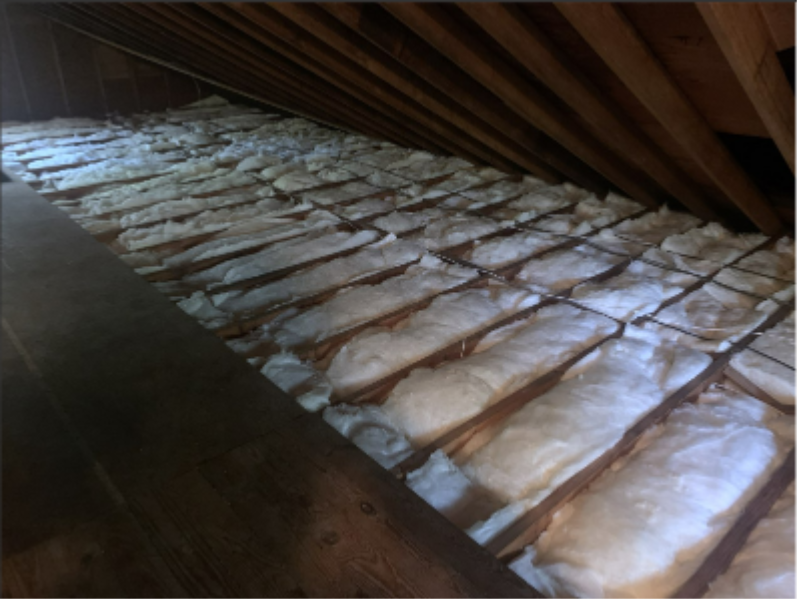
Attic Inspections, Insulation, and Environmental Improvements
- Evaluate attic insulation performance
- Inspect attic ventilation and airflow
- Upgrade attic insulation when needed
- Address air leakage between attic and living space
- Treat mold-like growth on attic framing
- Improve attic environmental conditions
Why Attic Conditions Matter
.svg)
What our clients say


Got questions? We’ve got answers
There isn’t a single method that works for every property. Effective exterior drainage usually involves a combination of proper grading, extended downspouts, surface or subsurface collection systems, and appropriate discharge locations. A professional evaluation helps determine how water moves across your property so it can be collected, routed, and discharged away from the foundation based on soil conditions, slope, and layout.
Yes, poor exterior drainage can contribute to crawlspace issues when surface water is allowed to collect near the foundation. In areas such as Red Bank, Freehold, Toms River, Brick, Manahawkin, and Long Beach Island, improper runoff control can raise groundwater levels beneath the home and allow moisture to migrate into the crawlspace. This often results in damp conditions, standing water, or recurring moisture problems. Addressing exterior drainage alongside interior crawlspace improvements helps reduce the likelihood of these issues developing or returning.
In most cases, yes. Downspouts should typically discharge at least 6–10 feet away from the foundation to help prevent water from saturating the soil near the home. Depending on the property, this may involve extensions or underground discharge lines that route water to a more suitable location for expulsion.
Water pooling around the foundation is often caused by poor grading, compacted or poorly draining soil, or runoff being discharged too close to the home. In some cases, surface water has no clear path to move away from the structure. When water consistently collects near the foundation, it can increase the risk of moisture intrusion into crawlspaces and basements. Evaluating how water collects and flows around the property helps identify where drainage improvements may be needed.
Yes. Rodents and wildlife frequently enter attics through small openings in the roofline, soffits or vents. They can damage insulation, wiring, and the wood structure. If pests are present, we identify entry points and provide recommendations for treatment and repair.
Absolutely. Heat loss through the attic can create pressure imbalances that pull damp air upward from the crawlspace or basement. Moisture problems below can worsen air quality above. Homes function as a single system, so issues in one area often affect another.
Signs include uneven temperatures in the home, rising energy bills, drafts, visible moisture or mold on insulation, rodent activity, or insulation that has settled or deteriorated. If insulation is wet or contaminated, it should be replaced immediately to prevent mold or air quality issues.
This is typically caused by insufficient insulation, air leaks, or improper ventilation. When the attic isn’t properly sealed and insulated, outdoor temperatures flow into the home, making your HVAC system work harder. We identify whether insulation, air sealing, or ventilation improvements are needed.
Every basement is different. Some need interior French drains, others require sump pump upgrades, dehumidification, or exterior drainage improvements. Our evaluation identifies the exact cause of moisture so we can tailor an approach that actually keeps your basement dry long-term.
Not always. A French drain may be recommended when water is entering along the foundation perimeter, pooling at the base of walls, or creating ongoing damp conditions. We only recommend a French drain when it directly addresses the source of water intrusion, and we explain the benefits and limitations based on your home’s specific conditions.
Basements can flood during heavy rain when groundwater levels rise, exterior drainage is inadequate, gutters or downspouts discharge too close to the foundation, or a sump pump system is undersized or not functioning properly. A professional evaluation helps determine whether drainage improvements, sump pump adjustments, or exterior water management measures are needed to reduce the risk of flooding.
This is commonly caused by moisture moving through the foundation. “Sweating” occurs when warm, humid air condenses on cooler foundation walls, while the white powder (known as efflorescence) forms when moisture pushes mineral salts out of concrete or masonry. Both conditions indicate elevated moisture levels and should be addressed to help prevent ongoing dampness and more serious issues over time.
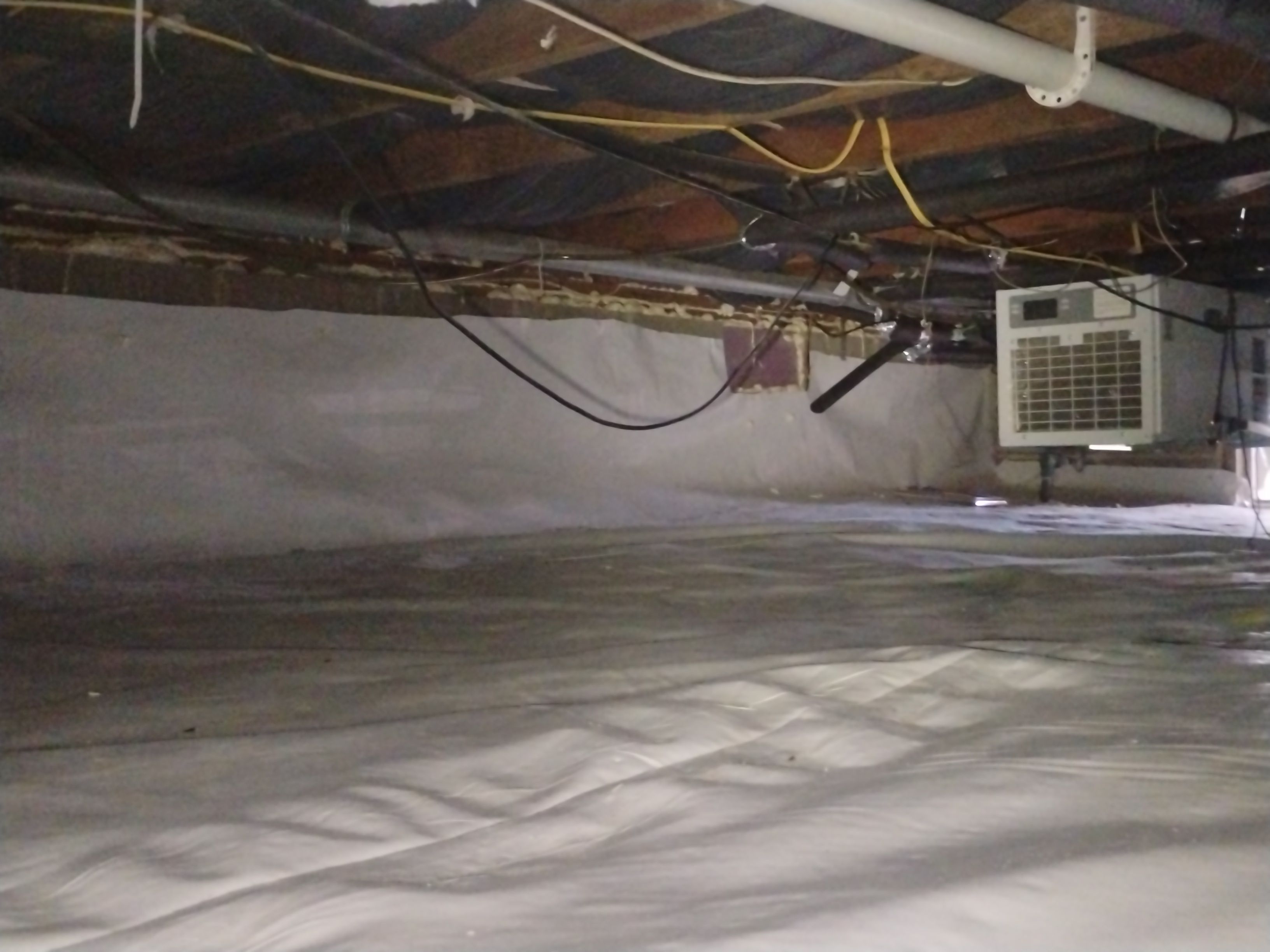
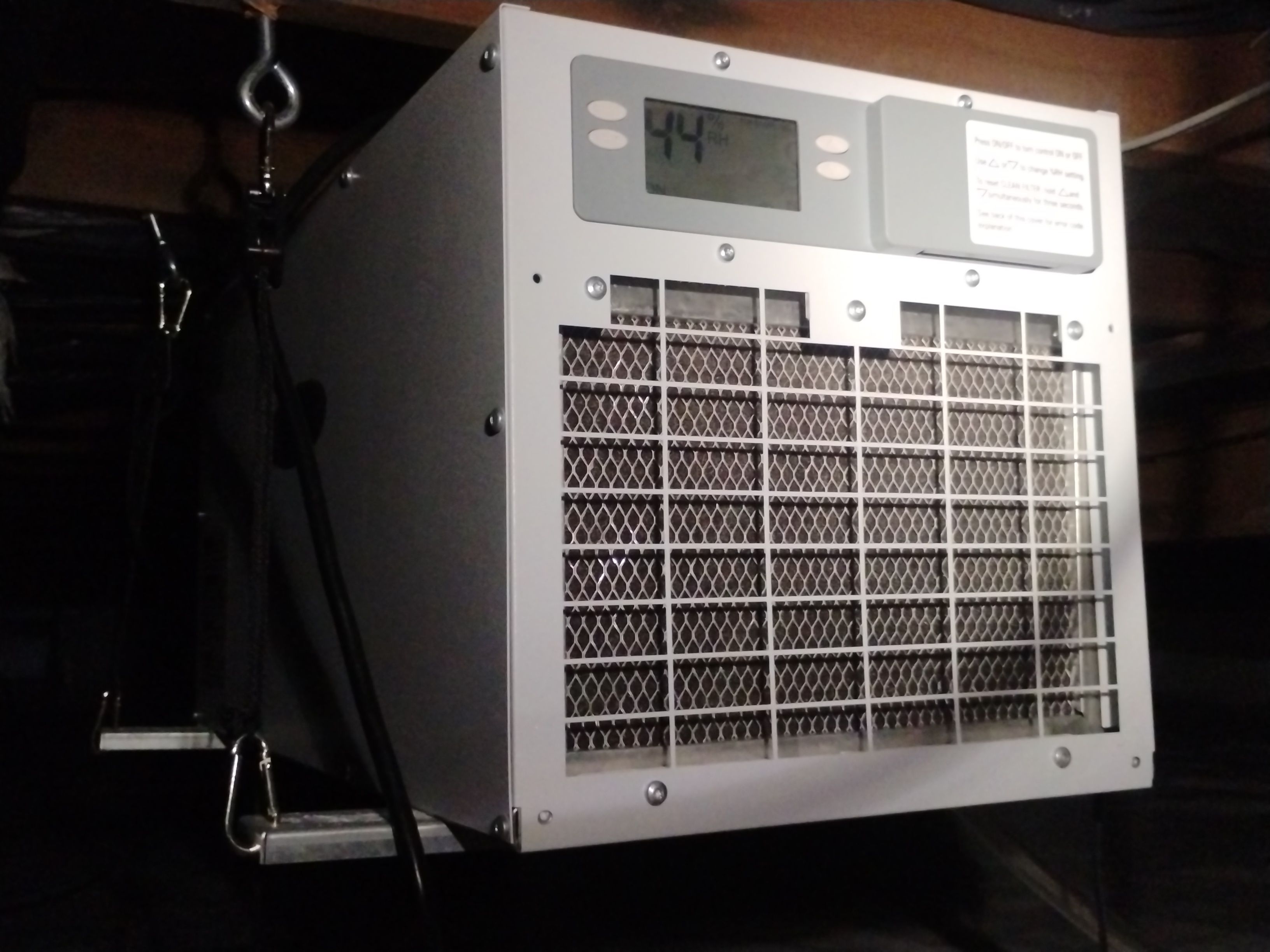
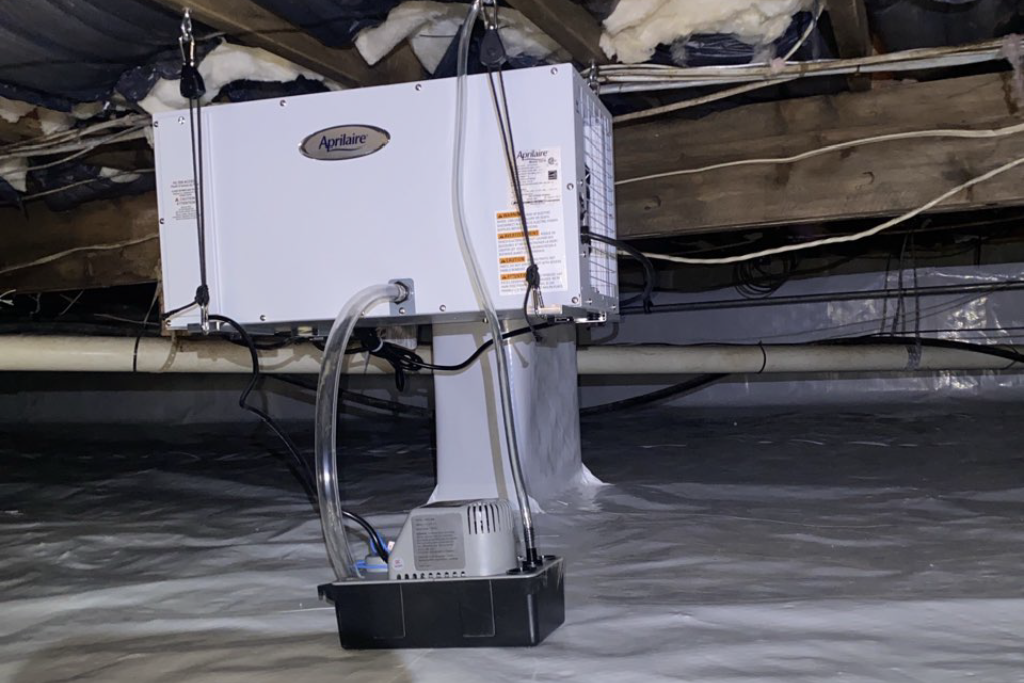
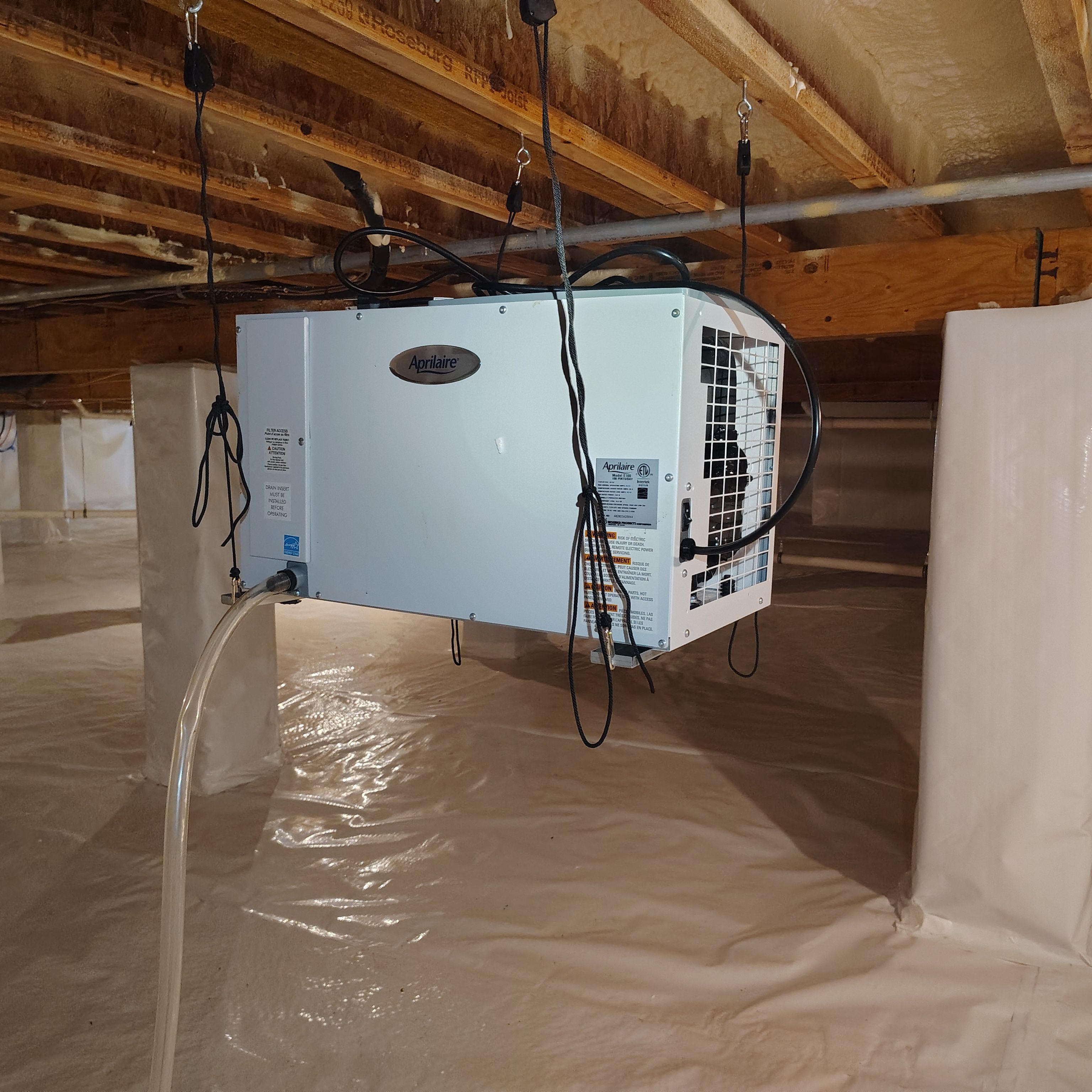
Encapsulated crawlspaces require minimal maintenance, but we recommend three checkups per year (included in our Evaluation Service) to observe how the system performs during different seasons. During these visits, we inspect humidity levels, confirm the dehumidifier is operating properly, verify drainage systems are functioning as intended, and ensure the vapor barrier remains intact. Monitoring the system throughout the year helps keep it performing at its best and supports long-term warranty protection.
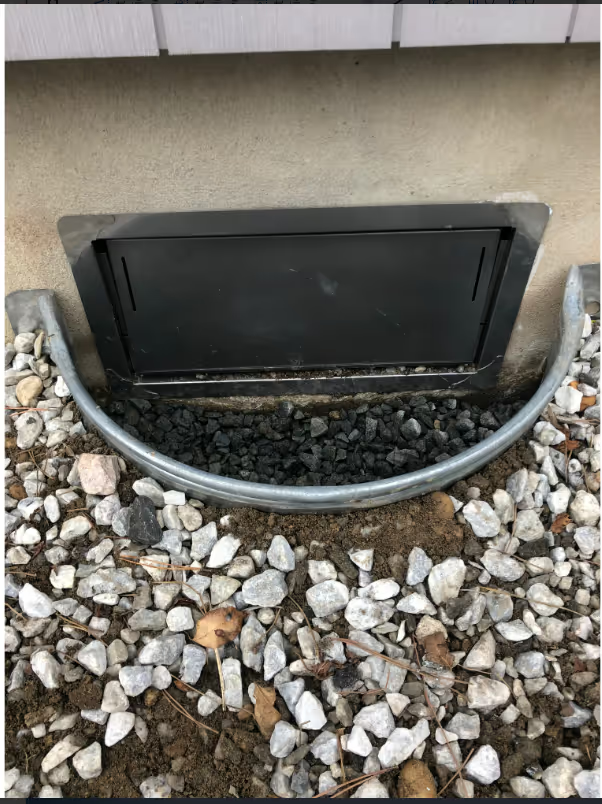
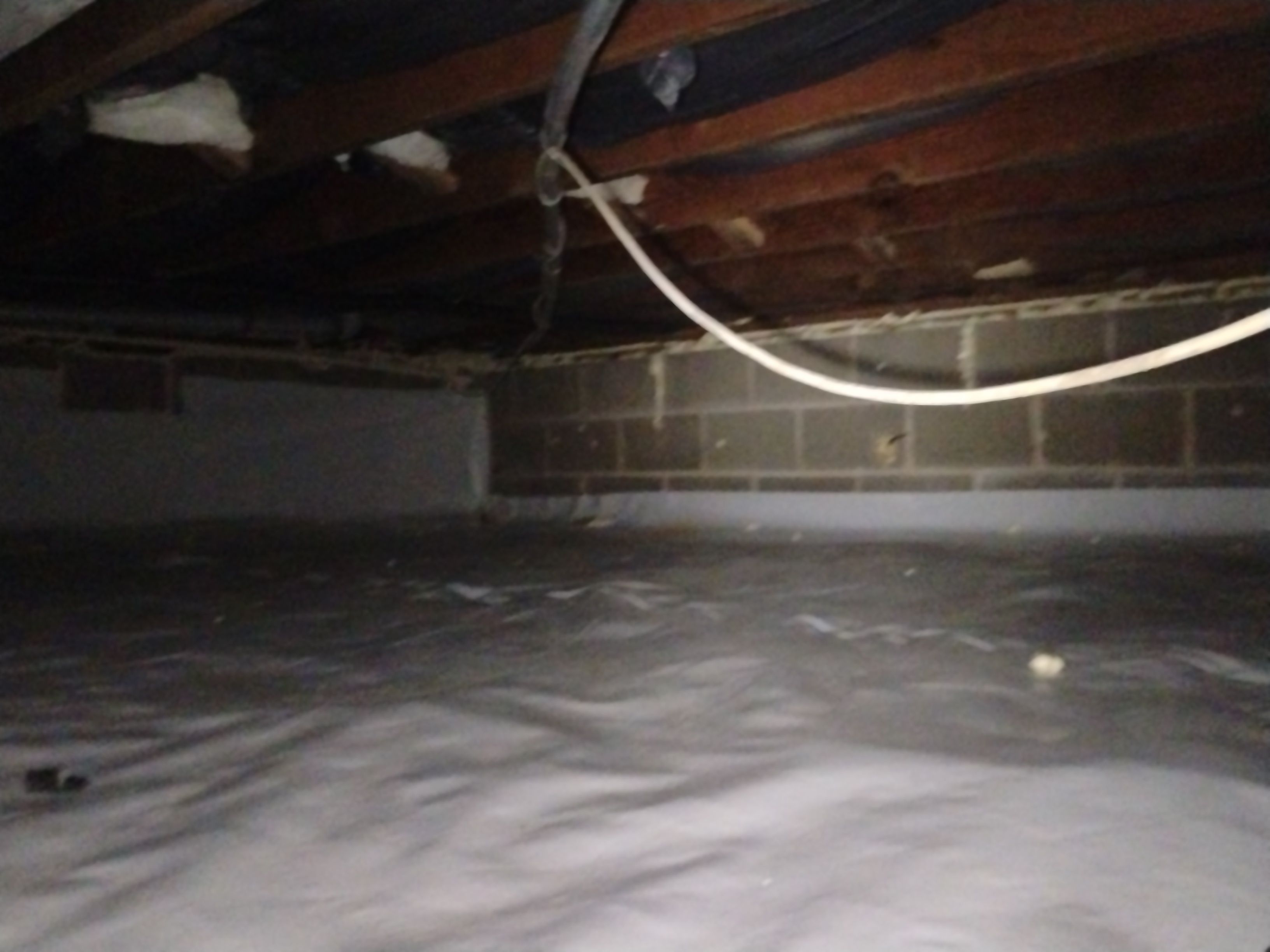
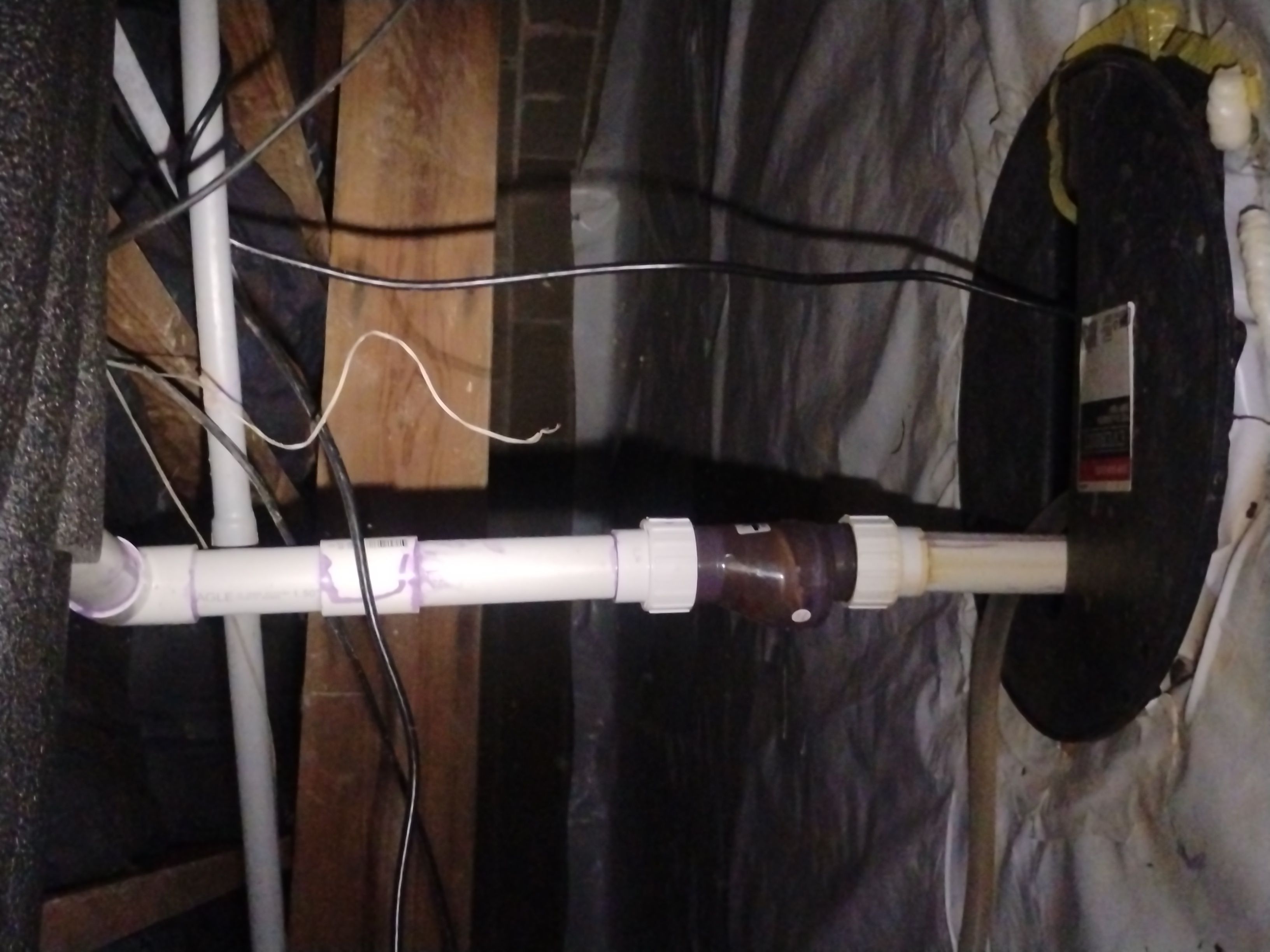
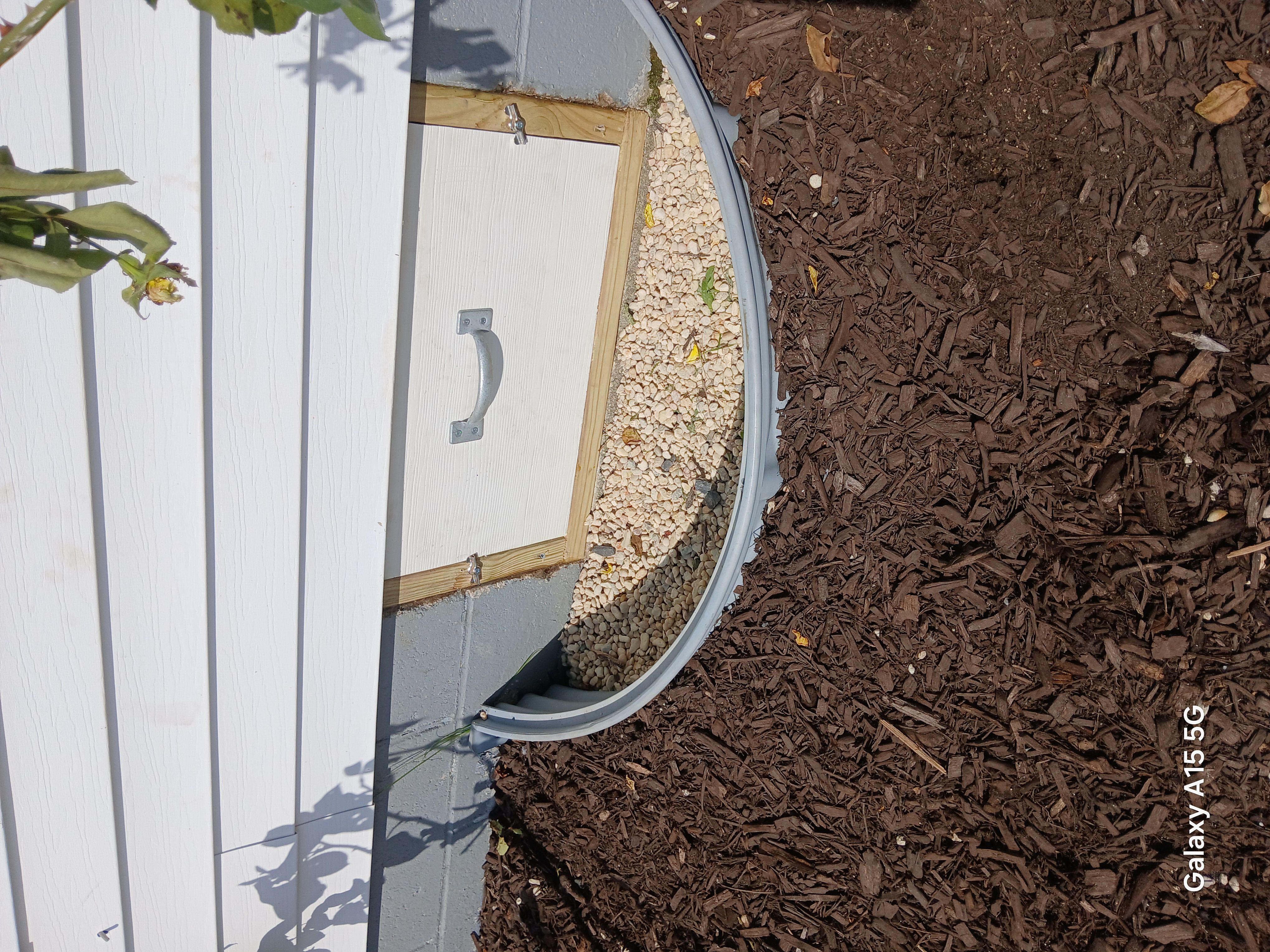
Water can enter a crawlspace from poor drainage, high groundwater, foundation cracks, overflowing gutters, low lying vents/doors, negative grading, or a failing sump system. Standing water creates ideal conditions for mold, wood rot, and pests. We identify the source and recommend the right drainage or sump approach to correct it.
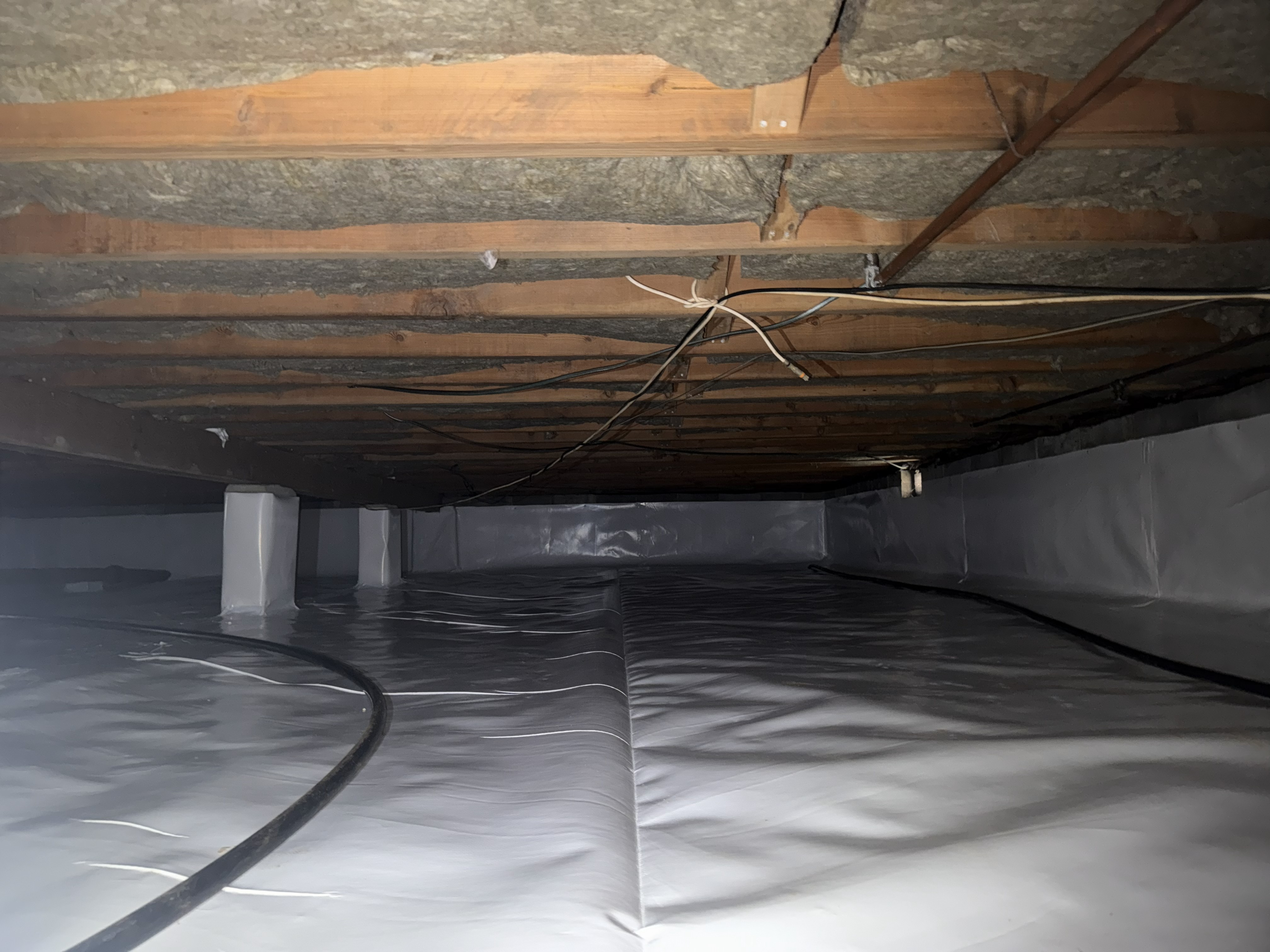
Signs you may need encapsulation include musty odors, high humidity, cold floors, wood floor buckling, cupping or separating, mold growth, pests, falling insulation, or visible moisture or water intrusion. If any of these issues are present, an evaluation will determine whether encapsulation—or a combination of drainage and moisture control—is recommended.
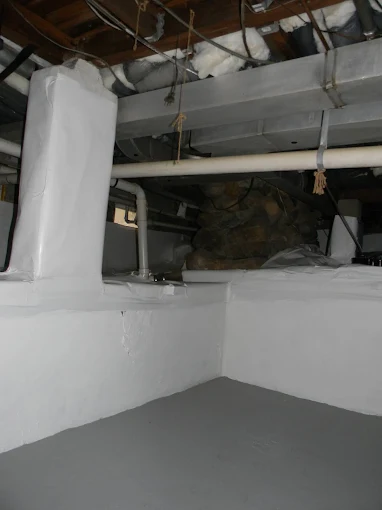
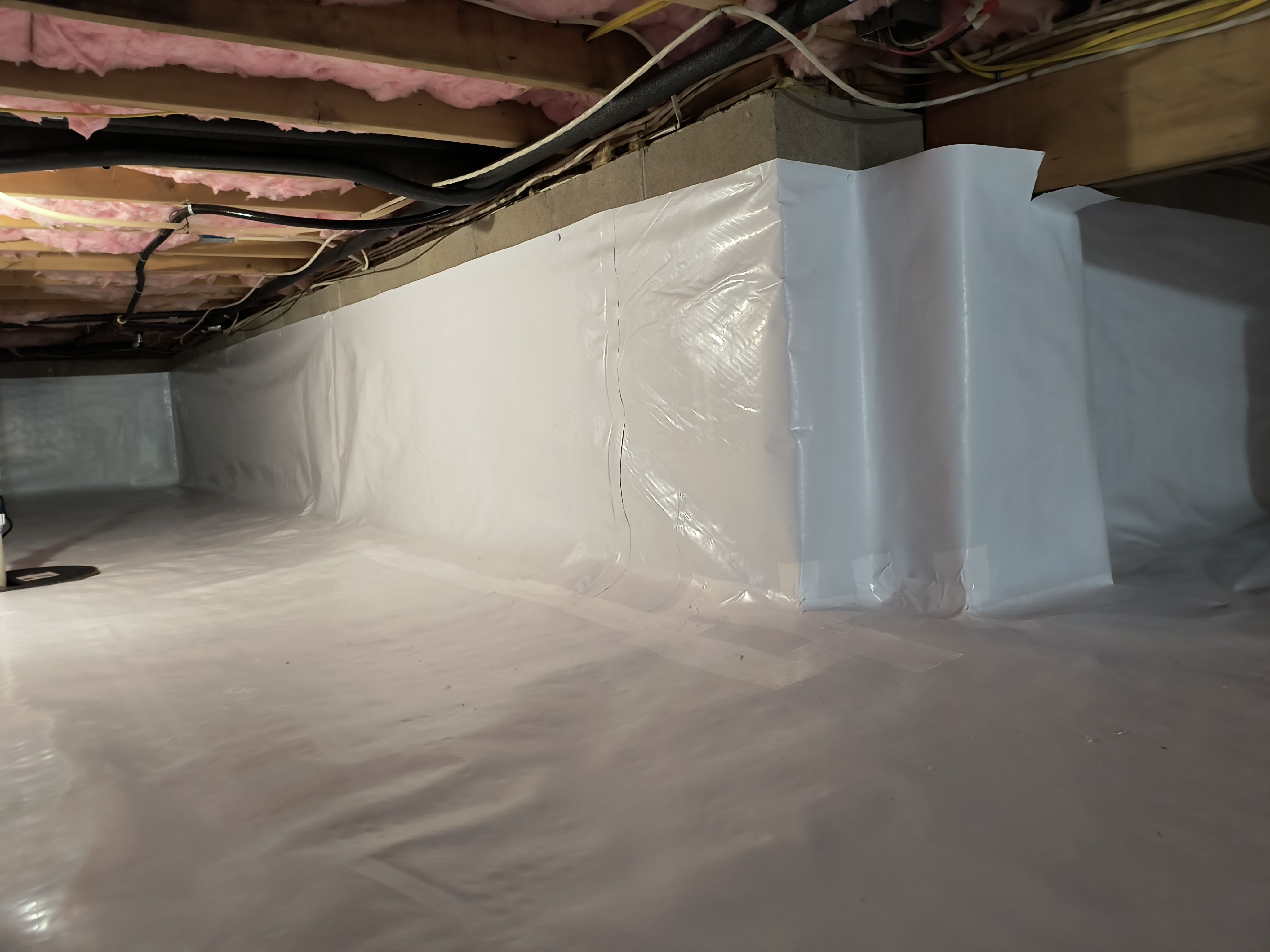
Crawlspace encapsulation is the process of sealing the crawlspace from the outdoor environment with a durable vapor barrier, insulation, air sealing, and humidity control. This creates a clean, dry, conditioned space that protects your home from moisture, mold, odors, pests, and energy loss. It is the most effective way to manage a crawlspace.
Absolutely. Warranty coverage varies by service, but many of our encapsulation, drainage, dehumidification, and treatment options include 10-year transferable warranties that stay with the home. In addition to manufacturer coverage, we stand behind our workmanship and provide follow-up visits to verify systems are performing as intended. Before any work is performed, we review all warranty details with you so you clearly understand what’s covered and how we help ensure long-term success.
Our recommendations are based on a thorough evaluation of current conditions and are designed to address the most likely causes of the issue at the time of inspection. In many cases, the recommended work can fully resolve the problem; however, building conditions, moisture behavior, and seasonal changes can sometimes require a phased or diagnostic approach. Some recommendations are intended to correct the issue directly, while others help confirm whether additional measures are needed. This approach allows us to avoid over-prescribing work while ensuring problems are addressed accurately and responsibly
Most evaluations can be scheduled same day or within a few days, and emergency concerns can often be accommodated sooner. Our goal is to get you answers—and peace of mind—as quickly as possible.
Many issues—such as odors, moisture, cold floors, or pests—can come from multiple parts of your home. Instead of guessing, our evaluation process identifies the exact source of the problem so we can recommend only what you truly need. Simply describe your concern or schedule a Crawlspace Evaluation, and our team will guide you to the right service.
Ready to protect your home?
Other Jersey Shore Crawlspace Services
.svg)
.svg)
.svg)
.svg)
.svg)