%201%20(2).webp)
Crawlspace Evaluations for HOAs and Condo Associations in New Jersey

How does Jersey Shore Crawlspace walk a board through a crawlspace evaluation?
- Findings are observed conditions, not opinions, so the report needs no defending at the meeting. Growth is recorded as "Mold-Like Substance present on [surface]", never as a diagnosis. Left and right are anchored "when facing the home from the street", so a board member reading the report a year later can locate the finding.
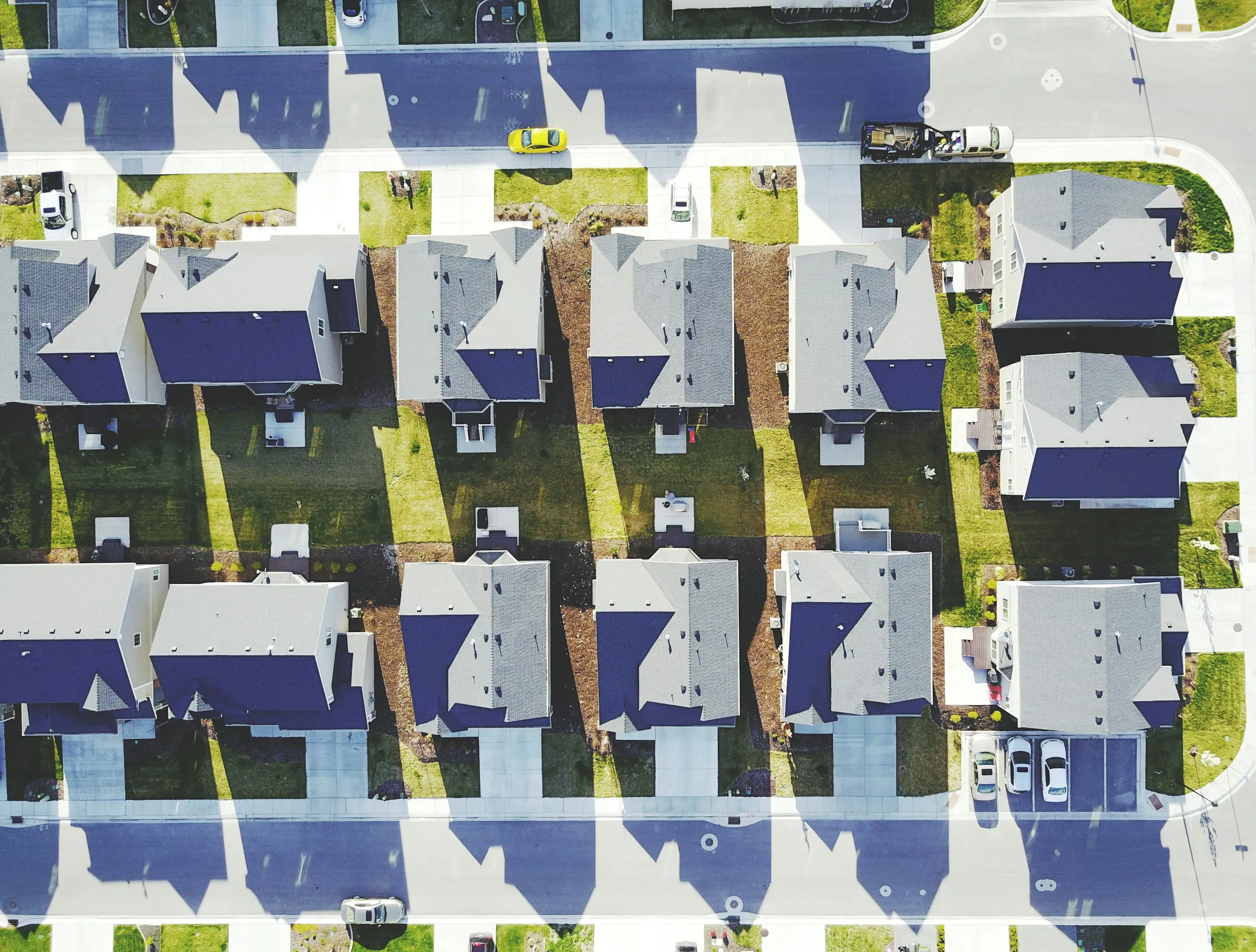
- Each building gets its own report and its own photographs. Nothing is averaged across the property.
- The report documents conditions. Recommendations live in the proposal, which is a separate document the board can accept or decline, in whole or in phases. See what a Crawlspace Evaluation covers.
Can an association plan crawlspace work across some units and not others?
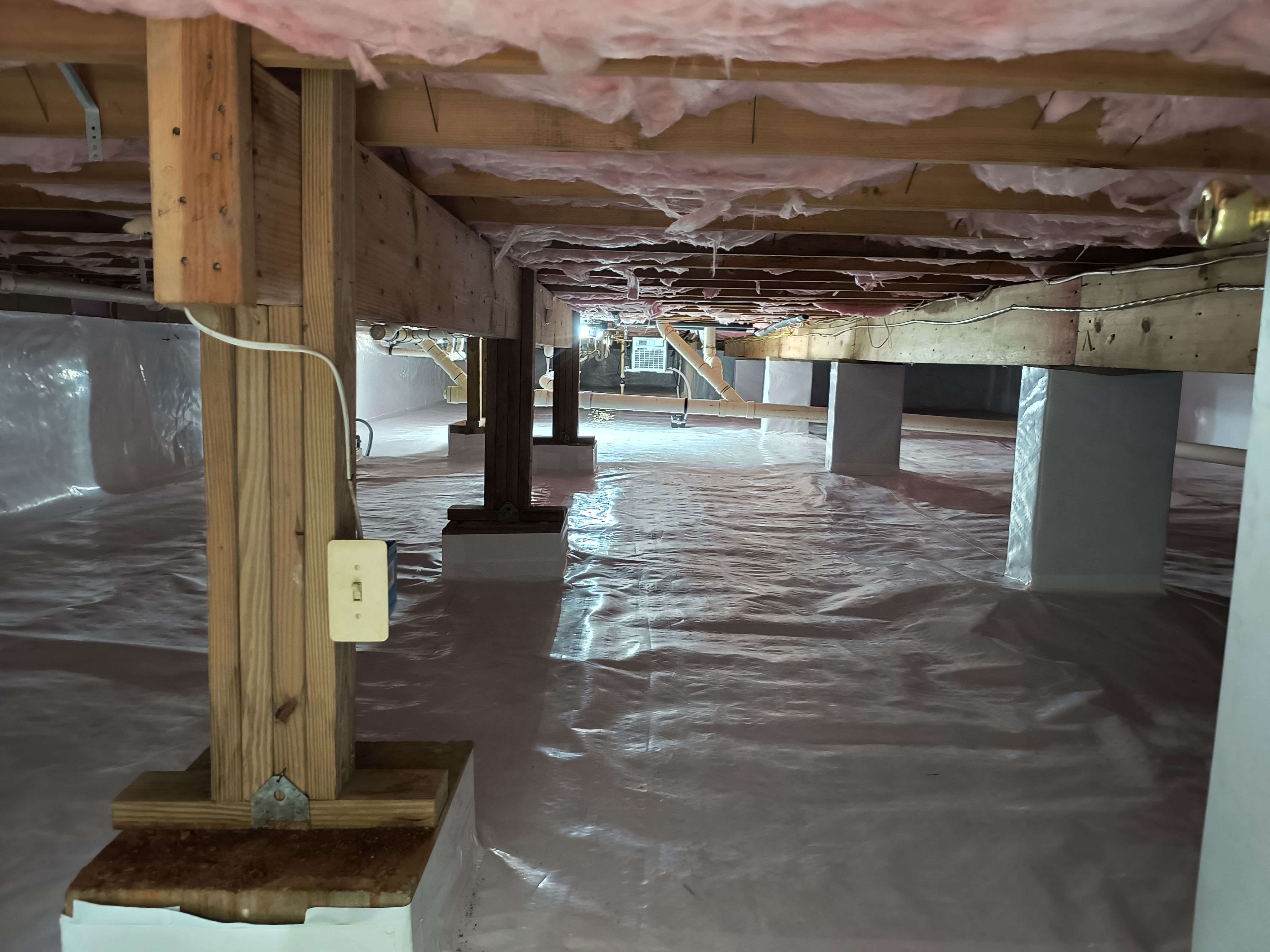
Yes. The plan covers as many or as few buildings as the board decides, and the per-building report is what makes that split defensible in the minutes. Because each building is documented separately, a board can see that two buildings sit lower on the lot and hold standing water while six stay dry, and vote to address the two. Standing water and active leaks come first, because water left in a shared crawlspace raises moisture readings in the floor joists above it, and Mold-Like Substance on those joists follows. Existing Mold-Like Substance and failed insulation come next, then the humidity control and vapor barrier upgrades that keep a dry crawlspace dry. A typical case is a condominium association with eleven units over one shared crawlspace. The evaluation finds standing water at the low corner, Mold-Like Substance present on the floor joists above it, and dry conditions at the far end. The board is not choosing between doing everything and doing nothing. It can vote this year to pump out and clean the wet section and treat the affected joists under a Mold Treatment, with the exterior drainage that fed the water corrected in the same phase. The vapor barrier and dehumidifier for the rest of the crawlspace can wait for a later fiscal year.
- Phased proposals are written as separate, numbered phases, each with its own scope and materials, so a board can approve phase one and table the rest.
- Materials are named by specification in every proposal, for example 12-mil or 20-mil string-reinforced vapor barrier, or an AprilAire E-series dehumidifier, so a competing bid can be compared line by line. See vapor barrier and dehumidifiers.
- Proposals are written expecting a board meeting to sit between the report and the decision. Nothing in the process assumes a same-week answer.
What does the Annual Evaluation Program give an association?
.svg)
Seasonal evaluations
Dehumidifier filter program
Warranty maintenance
Named renewal packages
Contact us to schedule your evaluation today!
.svg)
.svg)
.svg)
FAQ
Do we have to do every unit at once?
No. The board chooses which buildings or units go into each phase, and the per-building reports are what let it defend that choice in the minutes. A typical first phase addresses the buildings with standing water or Mold-Like Substance present, and leaves dry buildings on an evaluation-only schedule until conditions or budget change.
What does the board actually receive after the evaluation?
The board receives one written report per building, with photographs of each finding and moisture readings, plus a scoped proposal for any recommended work. Findings are written as observed conditions rather than opinions, so the report stands on its own at the meeting and reads the same to a board member, a management company, or a competing bidder.
How does this fit our budget cycle?
Phased proposals let the board spread work across fiscal years, and the report can go to whoever prepares the reserve study. The board and its accountant decide whether an item is capital or operating. The request form on this page asks for your timeline, including the next budget cycle.
Can you present the findings to the board?
Yes. We present findings to the board in person as a rule, and by video or phone when the meeting calendar calls for it, walking through the report one building at a time and taking questions on the photographs. The report is also written so a management company can present it without us.
What happens after the first evaluation?
The board decides. In a typical case it approves phase one of the proposal, or it files the report and schedules a re-evaluation for the next season, or it enrolls the buildings in the Annual Evaluation Program and lets the seasonal schedule drive the rest. Nothing is booked until the board or its management company confirms it in writing.
How do your proposals work in a bid process?
Proposals name materials by specification and break work into numbered phases, so a board comparing bids can line them up scope for scope. If the bid process calls for a certificate of insurance or a W-9, the request form on this page has a checkbox for each, so they arrive with the proposal.
Is the crawlspace a common element or the unit owner's responsibility?
Whether a crawlspace is a common element or the unit owner's responsibility is set by the association's governing documents, which the board's attorney reads. The evaluation adds location. Every finding is tied to a building and, where the layout allows, the unit above it, so the board can apply its responsibility split to documented conditions instead of a complaint.