%201%20(2).webp)
Selling a House With Water in the Crawl Space in New Jersey
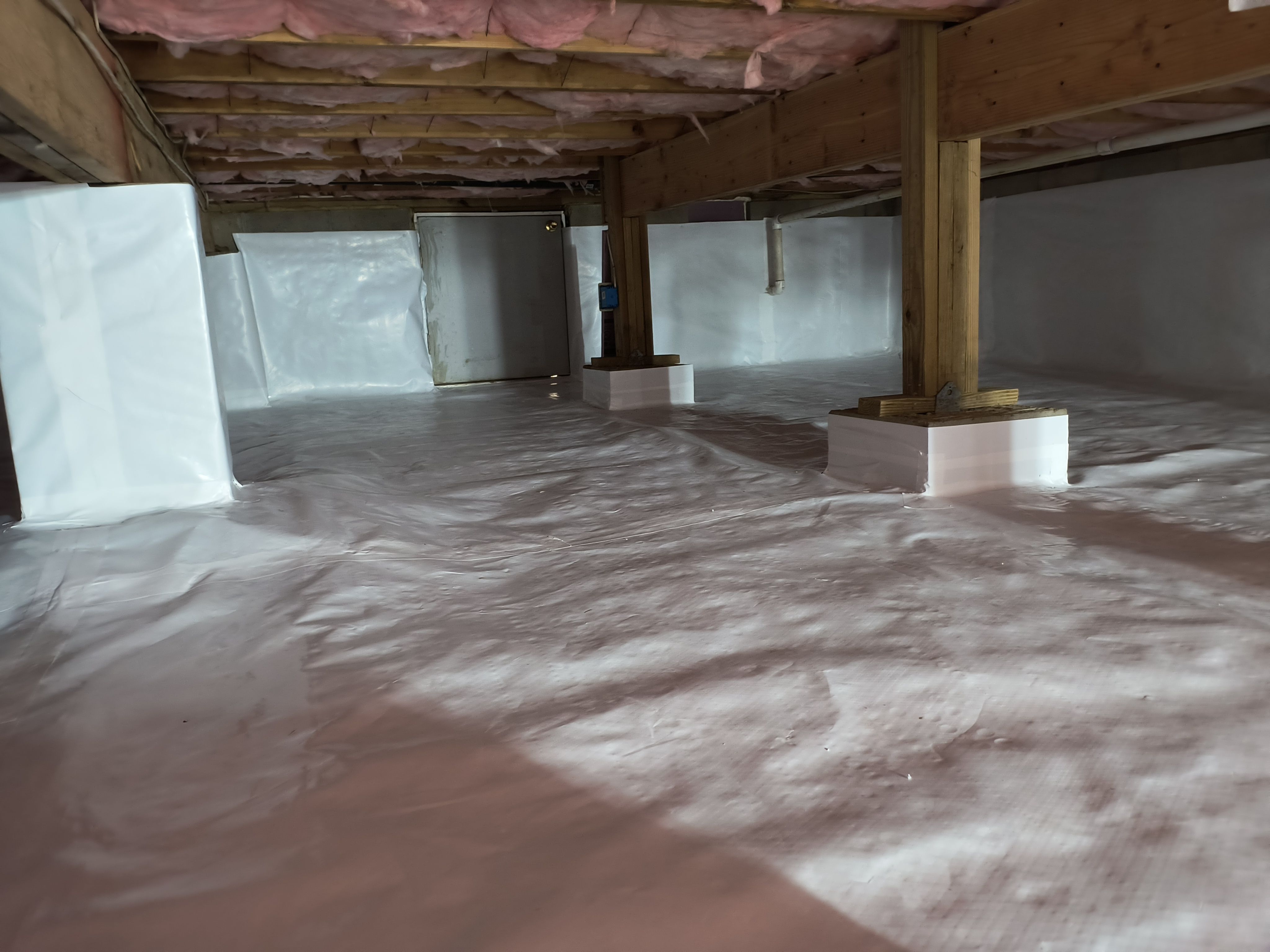
What comes up in a buyer's inspection under the house and in the attic?
- Water and moisture. Standing water and a wet or torn vapor barrier are the crawlspace items that show up on inspection reports. Pumping out water and clearing what it ruined is also the highest-volume work we do.
- Mold-Like Substance. Growth on floor joists or attic sheathing is written up as a condition to be evaluated further, and that line is usually where the buyer's request list starts.
- Fallen insulation and open vents. Kraft-faced batts hanging from the joists and unscreened vents are easy for an inspector to see and easy for a buyer to ask about, under the house or in the attic.
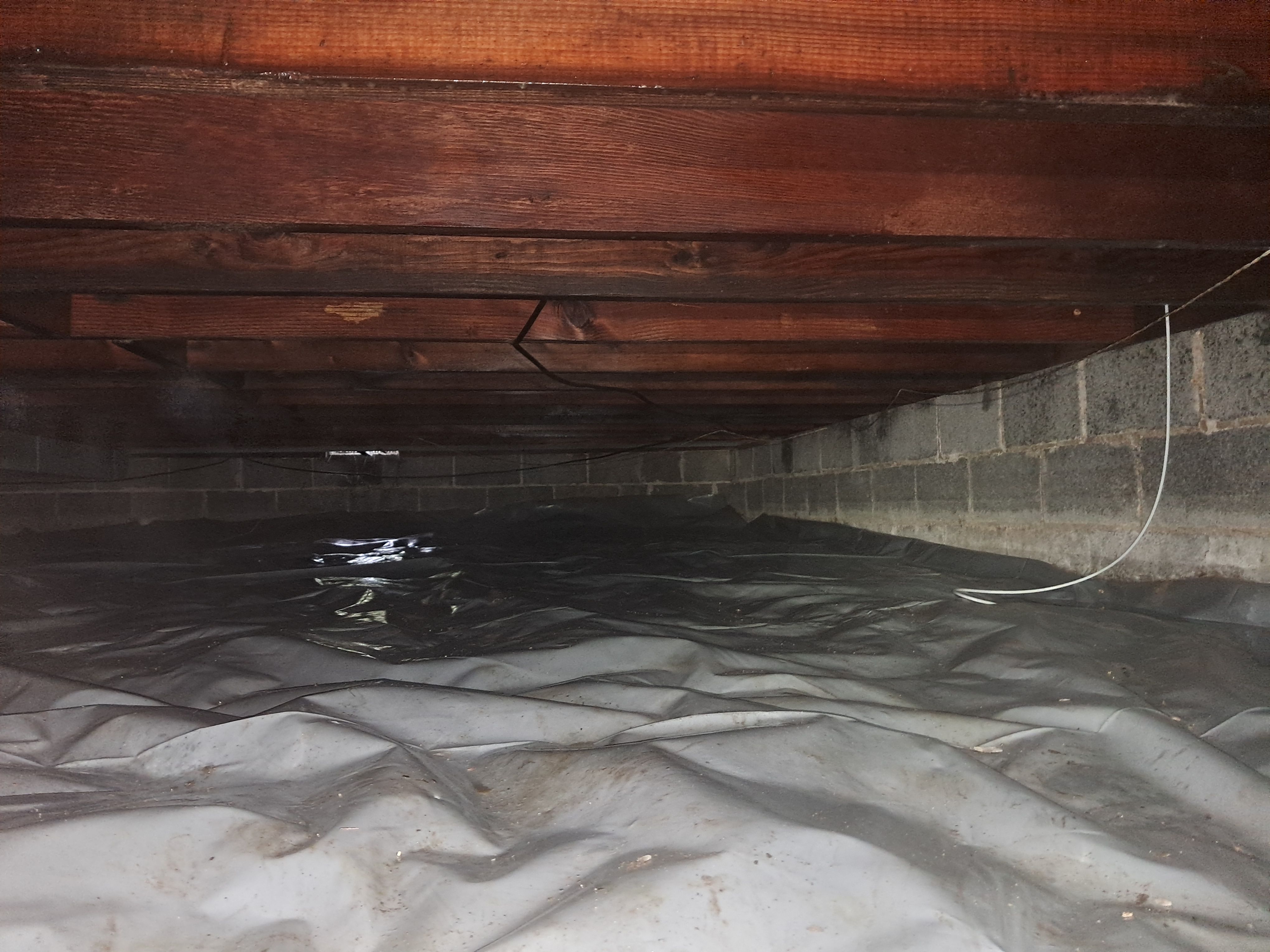
How does an inspection finding become a repair request, and what are the seller's options?
The buyer's agent reads the inspection report, pulls out the items that worry their client, and sends your agent a list. Each item asks the seller either to fix it before closing or to give a credit so the buyer deals with it afterward. Your agent has to answer inside the inspection period, and the answer needs a basis.
You have three ways to get ahead of that list, and the earlier you choose one the more room you have to work with.
- Address before listing. A pre-listing Crawlspace Evaluation documents the crawlspace, basement, and attic with moisture readings and a photograph of each finding. Any work that follows comes with paperwork you hand your listing agent on day one.
- Disclose and price. The report is yours. Give it to your agent, attach it where your attorney says it belongs, and let the asking price reflect conditions you have already named.
- Respond under contract. When the request arrives, we evaluate against the buyer's list and return a written proposal your agent sends back as the seller's answer, as work completed before closing or as the basis for a credit.
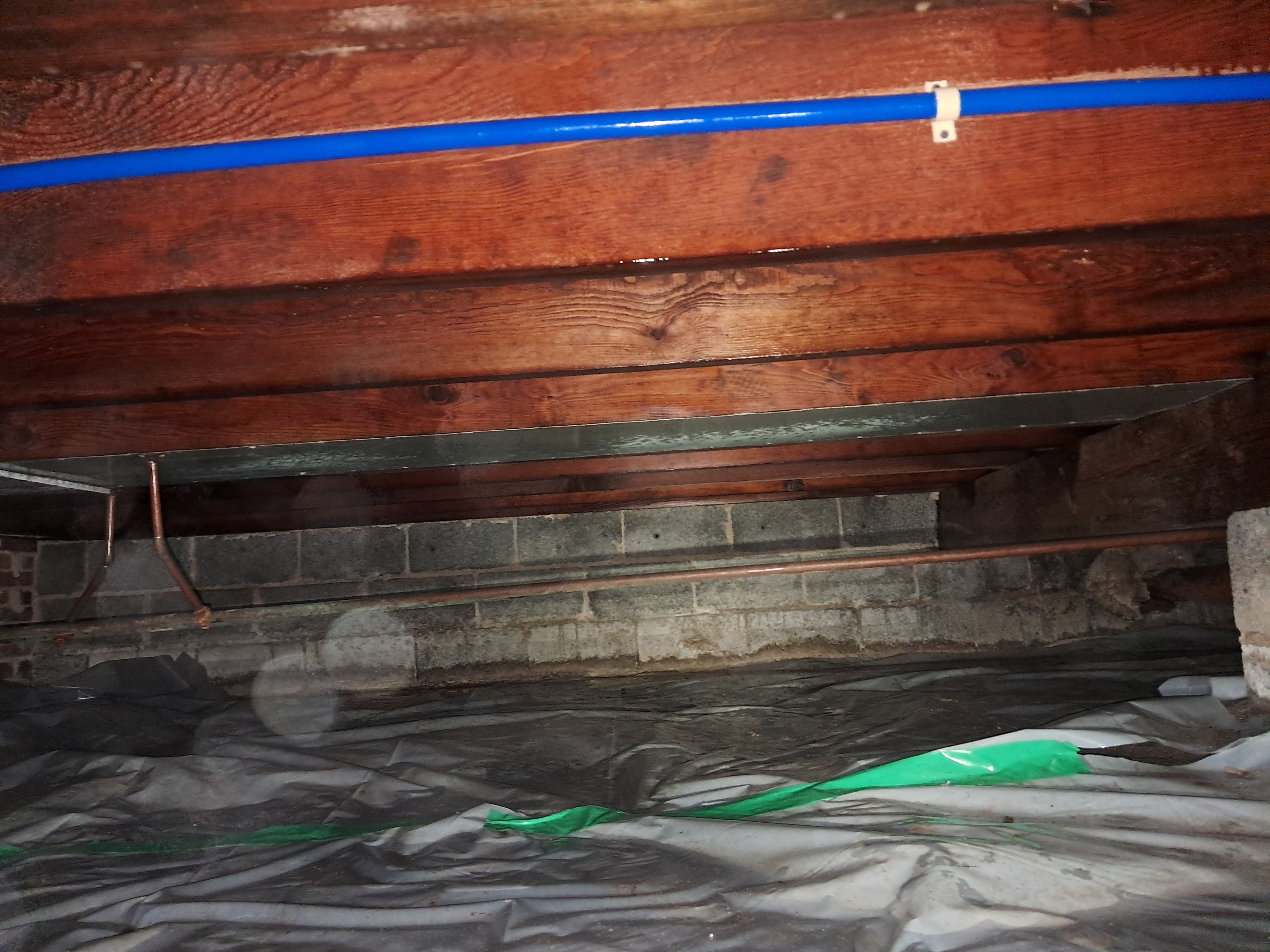
How does JSC turn a buyer's request list into an answer your agent can send?
.svg)
Scoped to the buyer's list
Photographs of the finding and of the finished work
A 10-year warranty that transfers
Timing around the contract dates
Contact us to schedule your evaluation today!
.svg)
.svg)
.svg)
FAQ
Who pays for the crawlspace work a buyer asks for?
Whoever the two sides agree on. A repair request is a negotiation. The seller can complete the work before closing, offer a credit at closing so the buyer handles it afterward, or decline and let the buyer decide whether to proceed. The pre-listing evaluation itself is ordered by the seller, and the report belongs to the seller.
How fast can you evaluate a home that is already under contract?
We can usually be under the house within a day of your call, and the written report follows within 24 hours. Call the day the request list arrives and give us the contract dates, because the inspection period is short and we schedule against it. A pre-listing evaluation has far more room and is the easier path.
Will your report satisfy the buyer's inspector?
The buyer's inspector does their own walk, and we do not control what they write. When the inspector writes up a condition to be evaluated further, our report is that evaluation, and both agents negotiate from one documented set of conditions. A dated report, photographs of the finished work, and warranty paperwork are what the other side asks for.
Do I have to disclose what your evaluation finds?
What you are required to disclose is a question for you and your real estate attorney under New Jersey law. We are not lawyers, and this is not legal advice. The evaluation report is a document you own. A specific, documented disclosure holds up better in a negotiation than a vague one, and the report gives you the specifics.
What if I would rather give a credit than do the work?
You can, and the evaluation still helps by sizing the credit. The proposal gives your agent a documented basis for the amount. A credit leaves the condition in place for the appraisal, so raise that with your agent first. After closing, the buyer can call us and the same proposal is the starting point.
Does the warranty transfer to the buyer?
Yes. Vapor barrier, French drains, drainage matting, insulation, and Mold Treatment carry a 10-year warranty that transfers to the buyer at closing. For the Mold Treatment that is the Ten Year Mold Treatment Warranty. Dehumidifiers and sump pumps carry their own warranties. Hand the paperwork to the buyer's agent with the closing documents, and mention it in the listing.