Attic Evaluation in New Jersey
Is something going on in your attic?
What we look at
What does an attic evaluation look at?
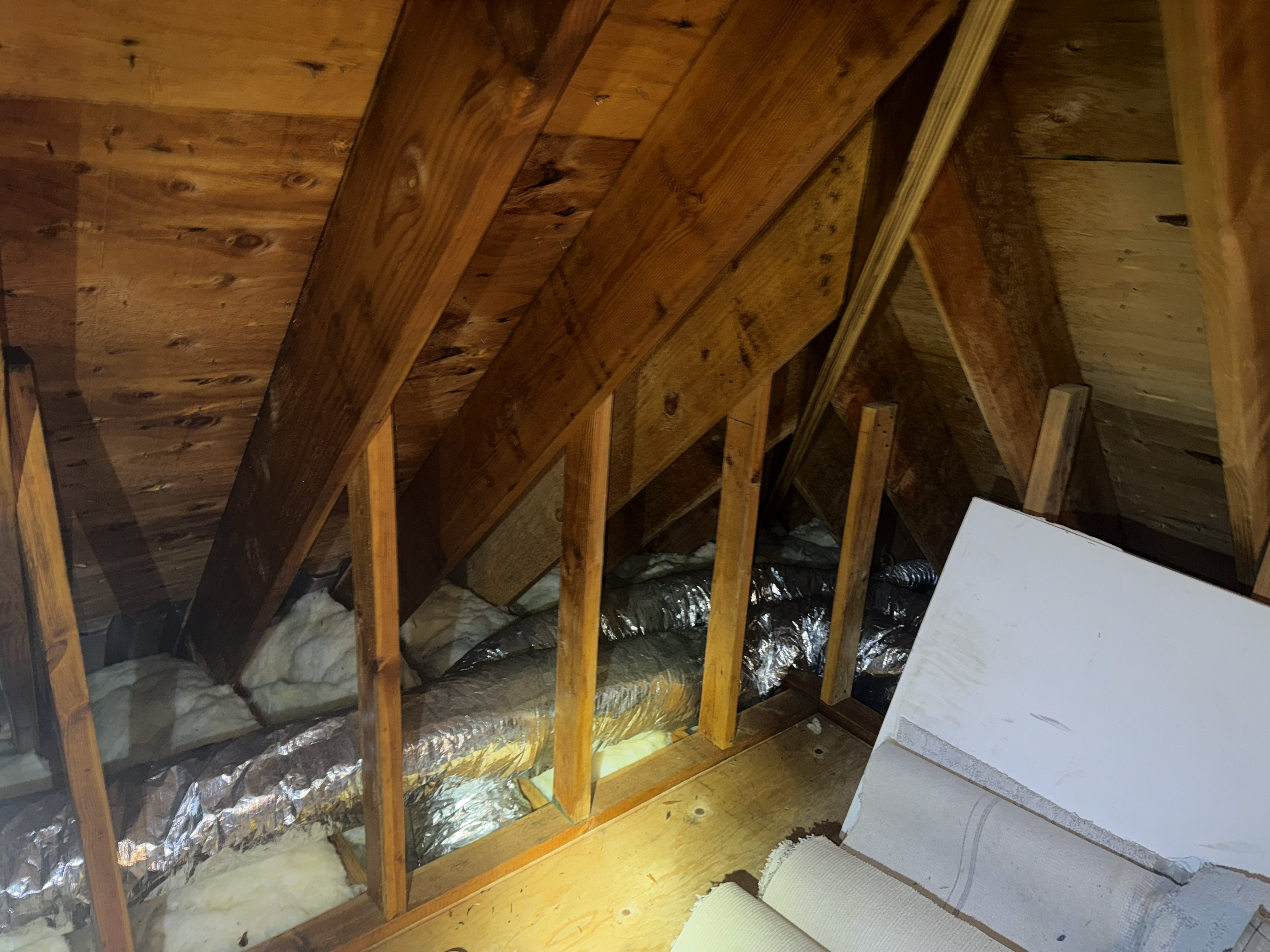
The wood first, because that is what moisture damages. Temperature and relative humidity in the attic against the reading outside, wood moisture on the rafters and the roof sheathing, and a close look at the underside of the roof deck for the dark staining and the white fuzz that mean Mold-Like Substance, and for the frost lines and drip marks that show where winter condensation has been landing.
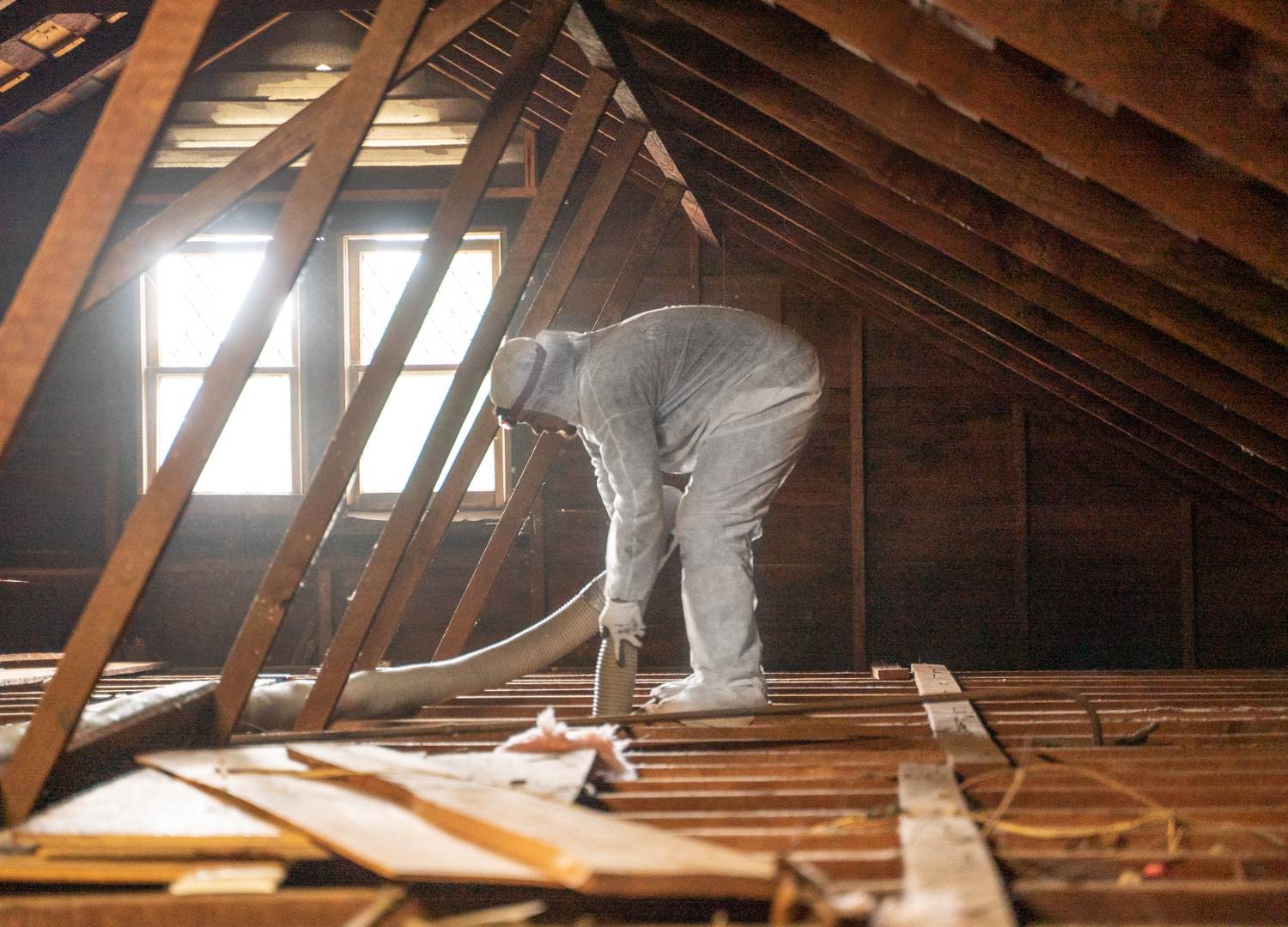
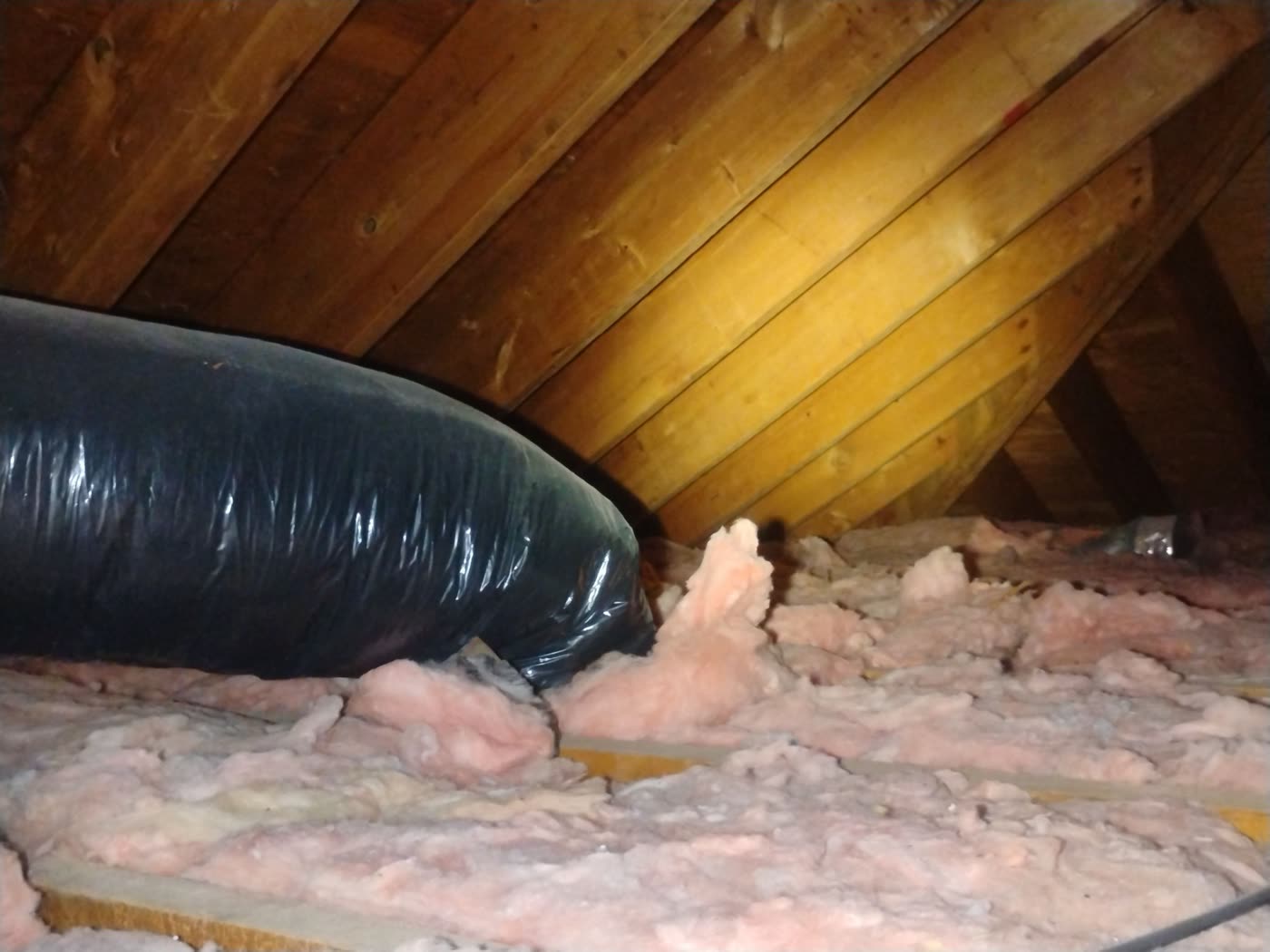
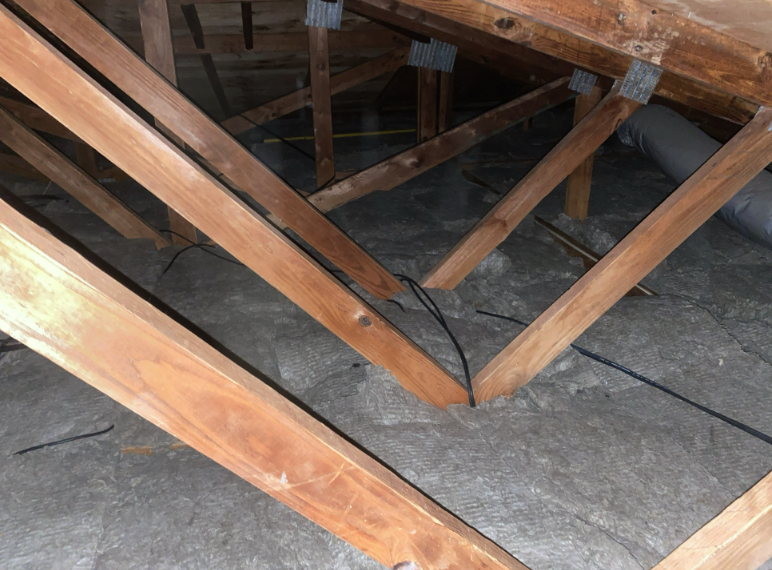
Then the insulation. What kind it is, how deep it sits, what R-value that works out to, and whether it has been wet, packed down, pulled up or chewed through. Whether there is a second layer blown over an older one. Whether the hatch is insulated or is a bare square of plywood leaking house air all winter. Recessed lights, the dryer vent and the bathroom fans, because a fan duct that ends in the attic instead of outside is one of the most common things we find behind a stained roof deck.
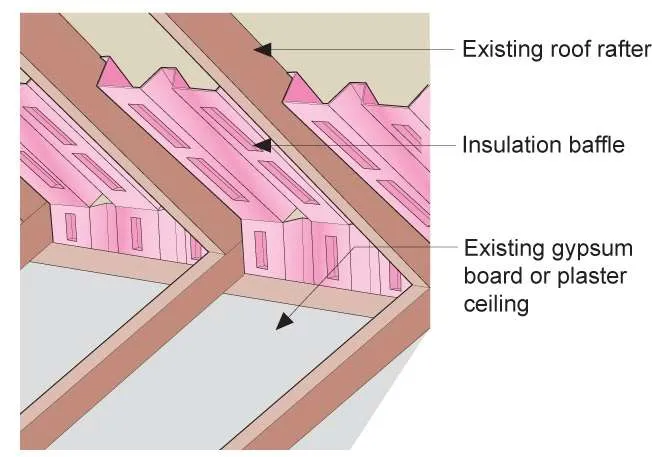
Then the openings. Soffit vents and how many bays are open behind them, baffles and whether they have fallen, the ridge or gable vents, any attic fan and whether it runs, and the places the house leaks warm air into the attic around chimneys, plumbing stacks and top plates.
When to book one
When should you have an attic evaluated?
When one of these shows up.
- Dark staining or a musty smell at the hatch, or on the ceiling below it
- Ice dams at the eaves, or frost on the nail points when you look up in January
- A bathroom fan that vents into the attic, or one you are not sure about
- Insulation that was blown in over whatever was already there
- A roof replaced after a leak, with nothing done below it
- Droppings, noise overhead, or insulation that looks dug through
- A buyer's inspector flagged the attic and nobody has measured it
The attic is the part of a house inspection that gets a flashlight from the hatch and nothing more. If you are buying or selling, our report gives you the attic measured and photographed, in writing you can hand to the other side. Timing for a sale is on the home buyers and home sellers pages.
What you get
What do you get on paper?
Numbers, photographs and a plain reading of both. The attic temperature and humidity sit next to the outdoor readings so you can see whether the attic is making its own weather. The wood moisture is listed by location. Each finding has its photograph, the insulation gets its type, depth and condition, and every vent, baffle and fan we could see is accounted for. It usually reaches you within 24 hours. If the attic needs work, the proposal is scoped from those pages. If it needs nothing, keep the report anyway; the next evaluator will want those numbers.
Two attics we evaluated
What does the evaluation turn up?
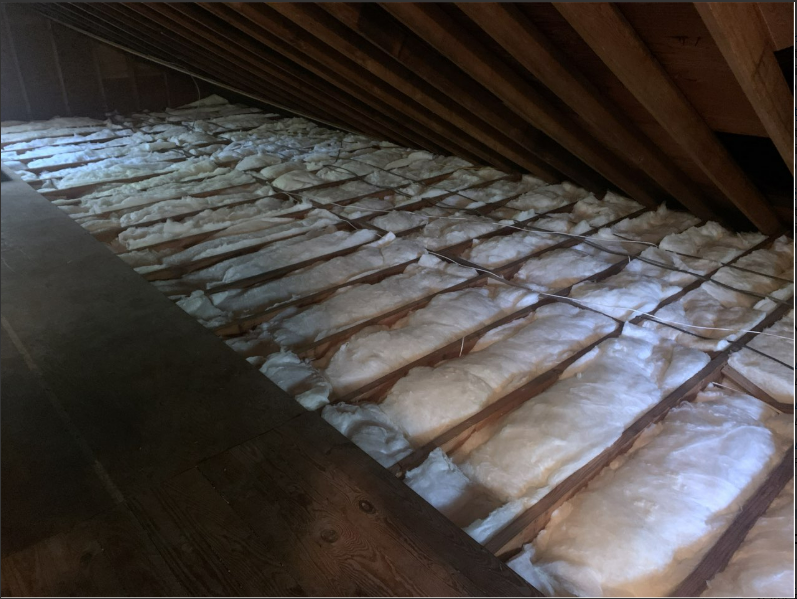
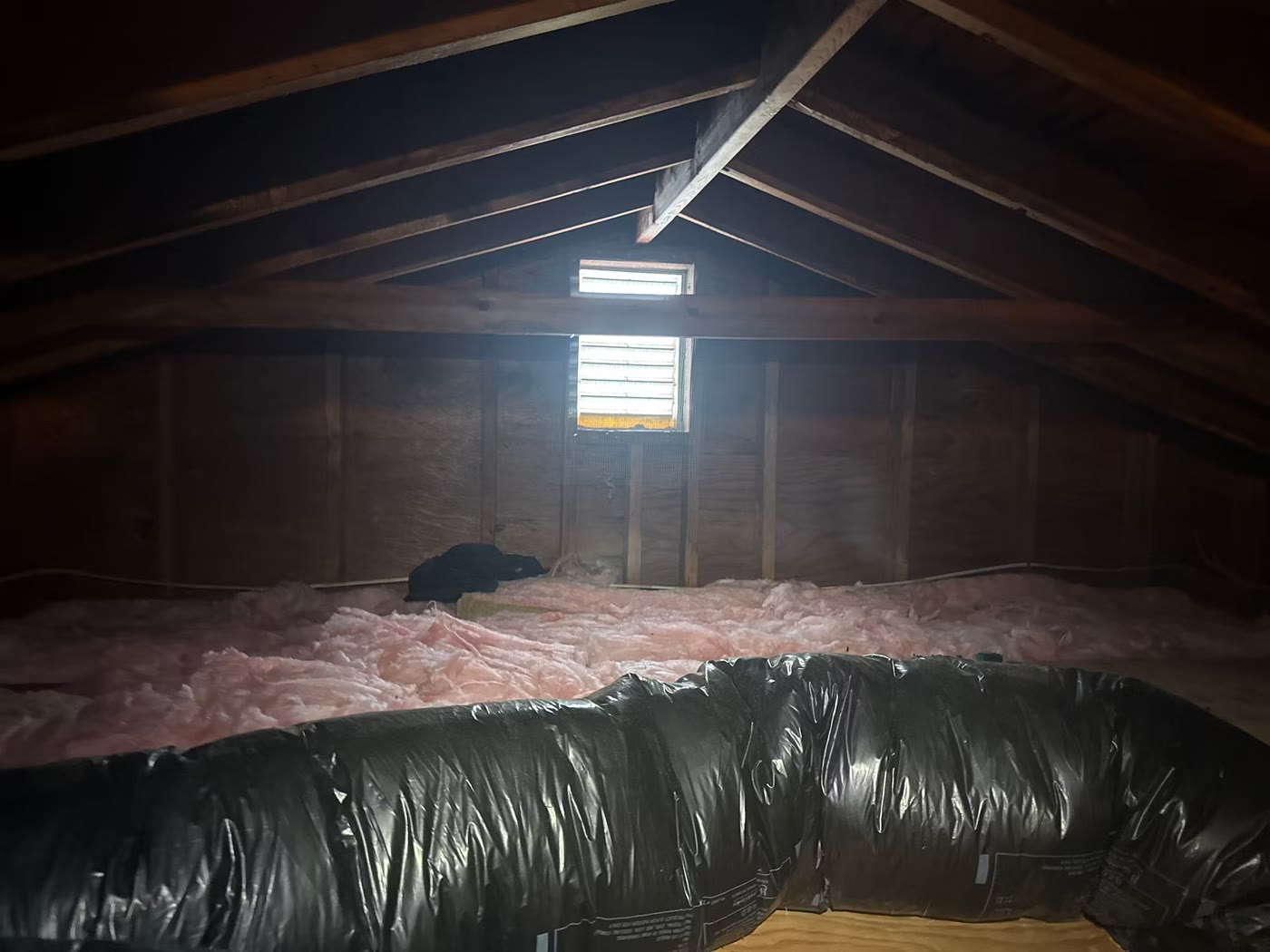
Sometimes the insulation is the job. Here is what our evaluator found and photographed in a Cape May attic in September:
- R-19 kraft-faced batts across the attic floor
- No vented soffits at the eaves
- An attic hatch with no insulation on it
- No Mold-Like Substance, no leaks and no droppings
The report recommended taking the old insulation out, vacuuming the bays, sealing the attic floor and putting R-38 kraft-faced batts down in its place. The crew photographed the attic before they started and again once the new insulation was in.
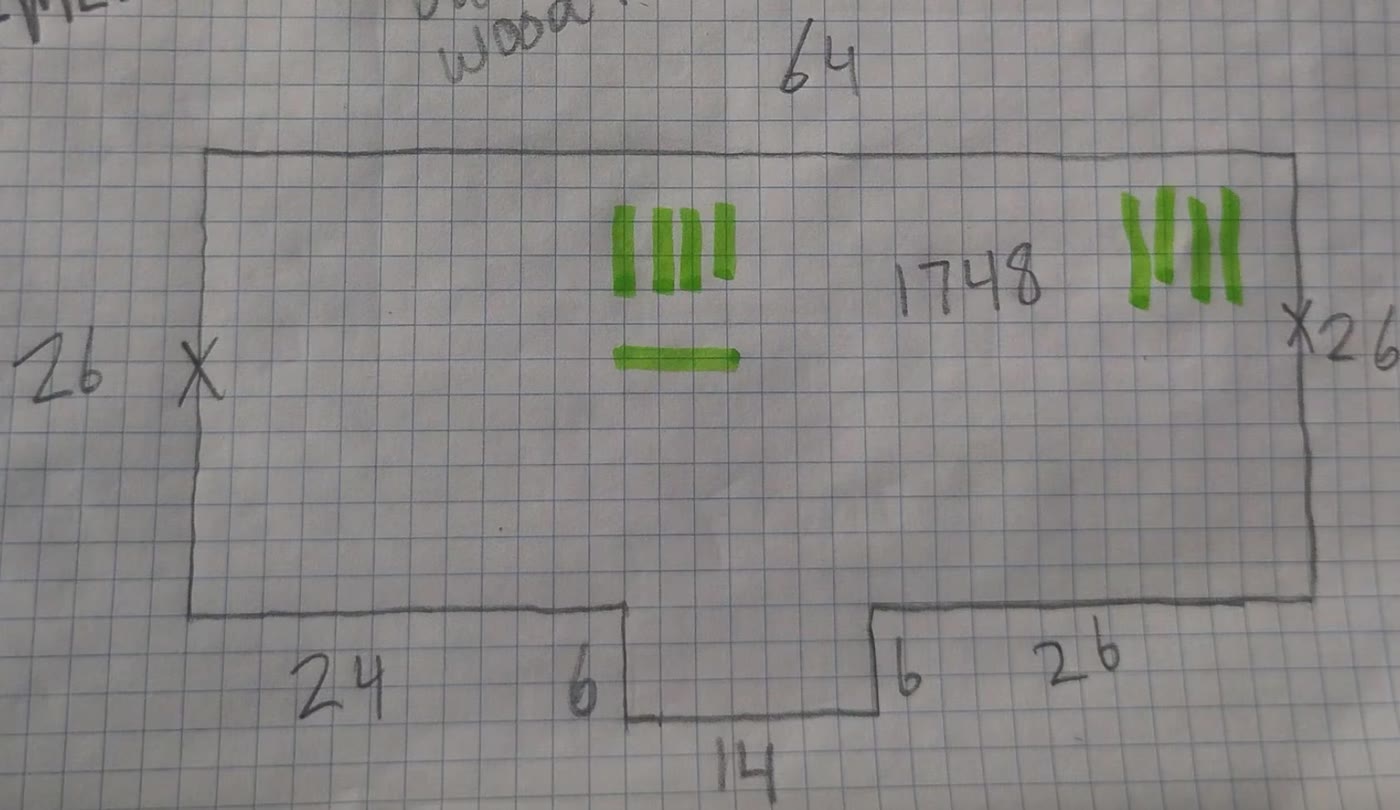
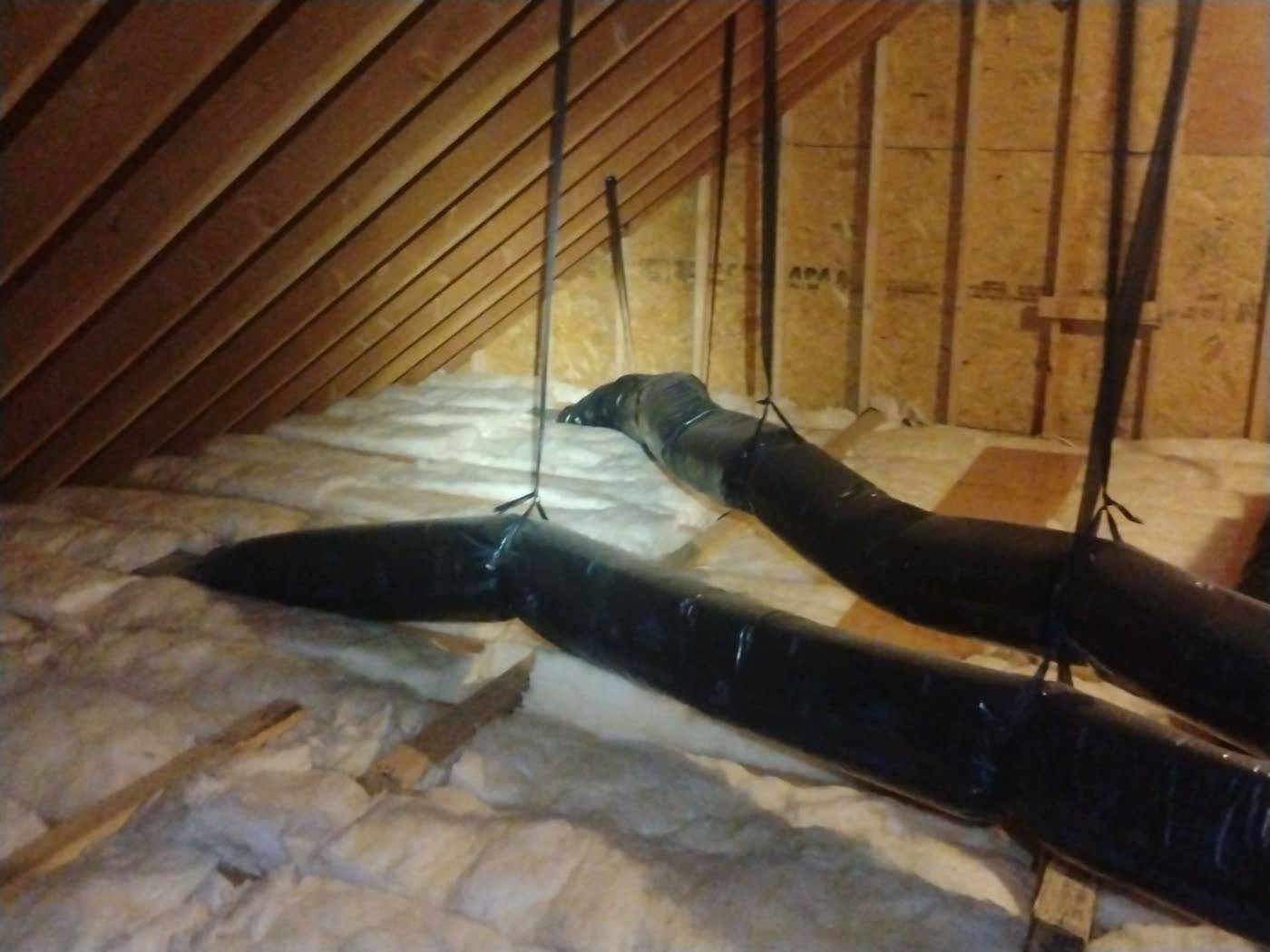
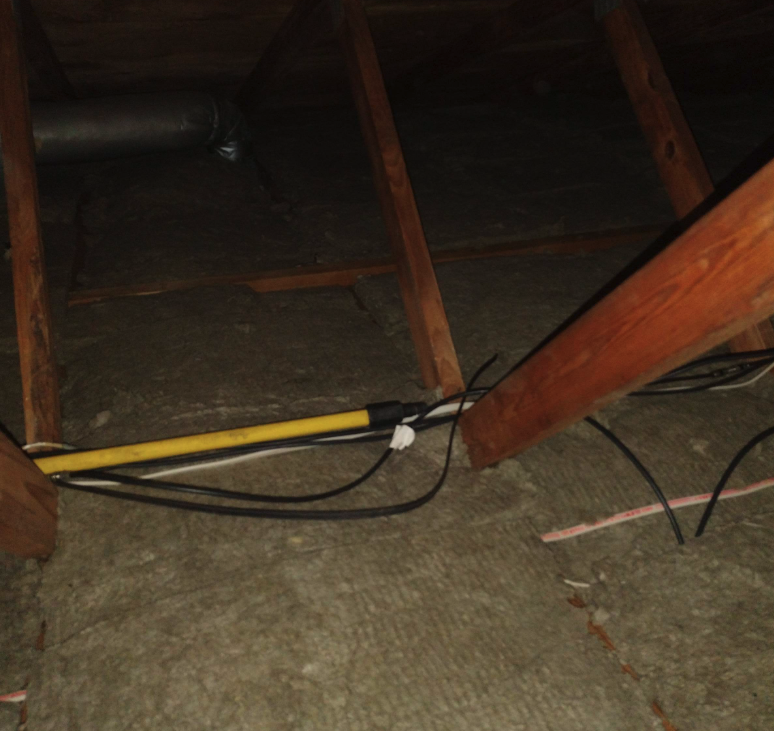
A Toms River family had a new roof put on after a leak and assumed that closed the matter. Our evaluator went up in January and found two layers of insulation on the floor: a newer layer on top, and an old layer underneath that had taken the water from the leak and never let go of it. The old layer had dark Mold-Like Substance on it. The attic read 51 degrees and 56 percent relative humidity, and the rafters 10 percent. There were no baffles in the eaves, two gable vents were doing the venting, and the dryer vent ran in flex pipe. The report marked the wet areas on a graph. The crew worked from that graph and did a partial attic Mold Treatment over the affected framing.
After the evaluation
What happens after an attic evaluation?
The report names the work, and each piece has its own page. Insulation that is wet, thin or chewed comes out and new goes in, which is attic insulation and insulation removal. Bays with no air moving through them get baffles and open soffits, which is attic ventilation. Mold-Like Substance on the sheathing or rafters is an attic Mold Treatment. Droppings, debris and old insulation across the whole floor is a clean-out and disinfection. We advise against spray foam in an attic. If it comes up, the report explains why for your house.
Attic, crawlspace, basement
What if the house needs more than the attic looked at?
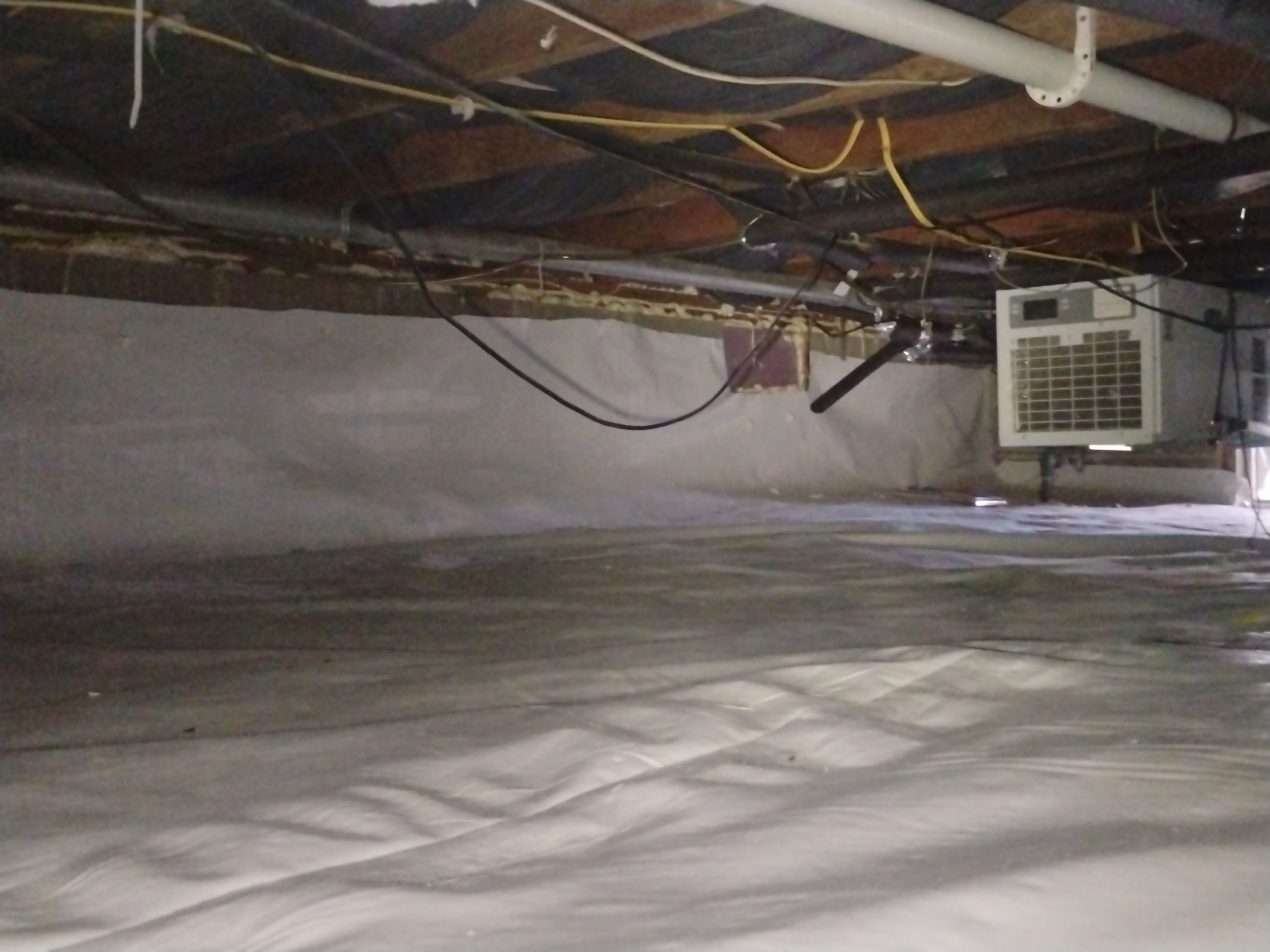
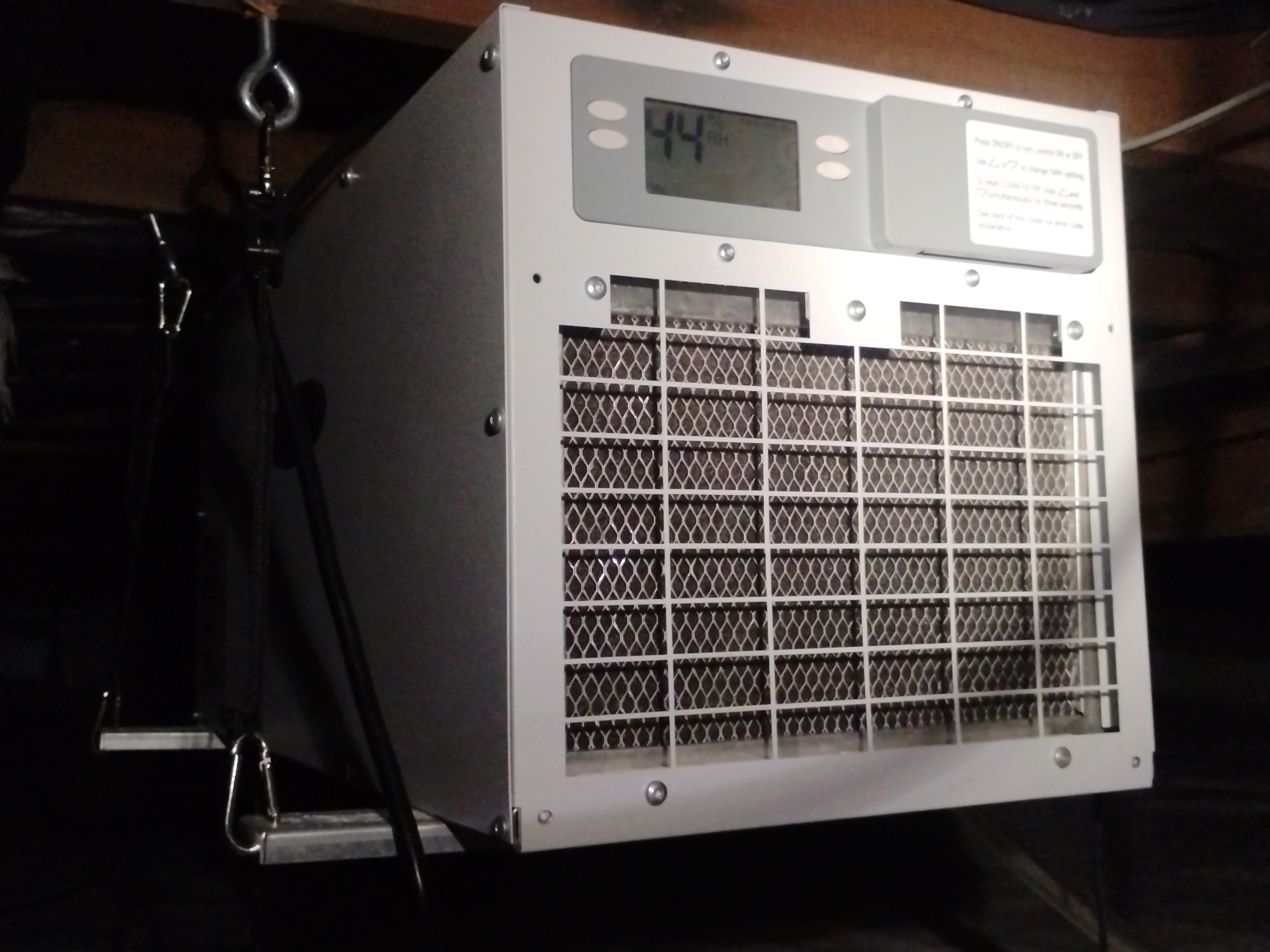
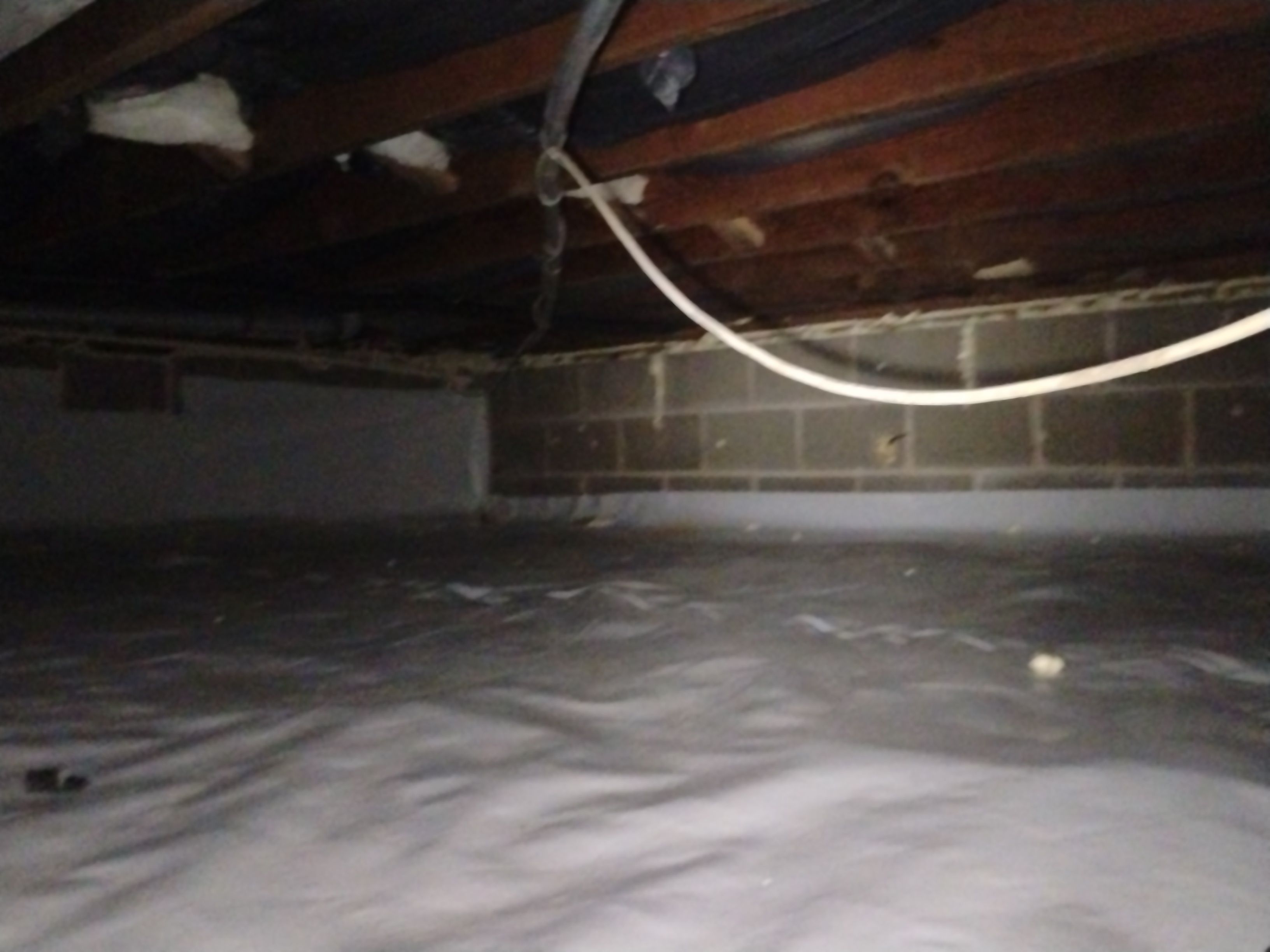
The same evaluator covers every space you ask for in one visit, and the report is one document with the attic, the crawlspace and the basement each in their own section. If you booked for the crawlspace and want the attic looked at too, say so when the evaluator arrives. Crawlspace only? The Crawlspace Evaluation is the page. Basement? The Basement Evaluation.
Keeping it checked
Does the evaluation happen once?
It can be a one-time visit. It can also be the first of many: the Annual Evaluation Program puts an evaluator in the house three times a year, and the attic is part of that visit whenever you want it to be, the insulation looked at, the baffles checked, the readings written down beside last time's. Warranties on the attic work run longer for homes that stay on the program.
Who does the work
Who performs the Attic Evaluation?
Our field evaluators, the same people who go under houses for us all year. Jersey Shore Crawlspace Enhancement has worked in 13 New Jersey counties since 2010 from Farmingdale, under NJ Home Improvement Contractor license 13VH06460100 and NJ DEP 90211B, and the crew that does the attic work is ours too.
What our clients say









Ready to protect your home?
Other attic services