
5 Ways to Improve Your Home’s Indoor Air Quality
The peace of mind that comes with knowing that your home is a safe space for you and your family is invaluable. When it comes to feeling safe indoors, one often thinks of remembering to lock the front door, turning the stove off, using natural cleaning products, etc. The air that we breathe in all day every day is often forgotten about. Lower indoor air quality can make breathing more difficult or unpleasant for those with allergies, asthma, or upper respiratory issues. Poor indoor air quality has also been linked to symptoms like headaches, fatigue, trouble concentrating, and irritation of the eyes, nose, throat, and lungs according to OSHA. To summarize, it can affect our everyday life without us even knowing. That’s why creating and sustaining a home environment that promotes great indoor air quality is so important. Here are 5 ways to improve your home’s indoor air quality:
- Regularly change your air filters
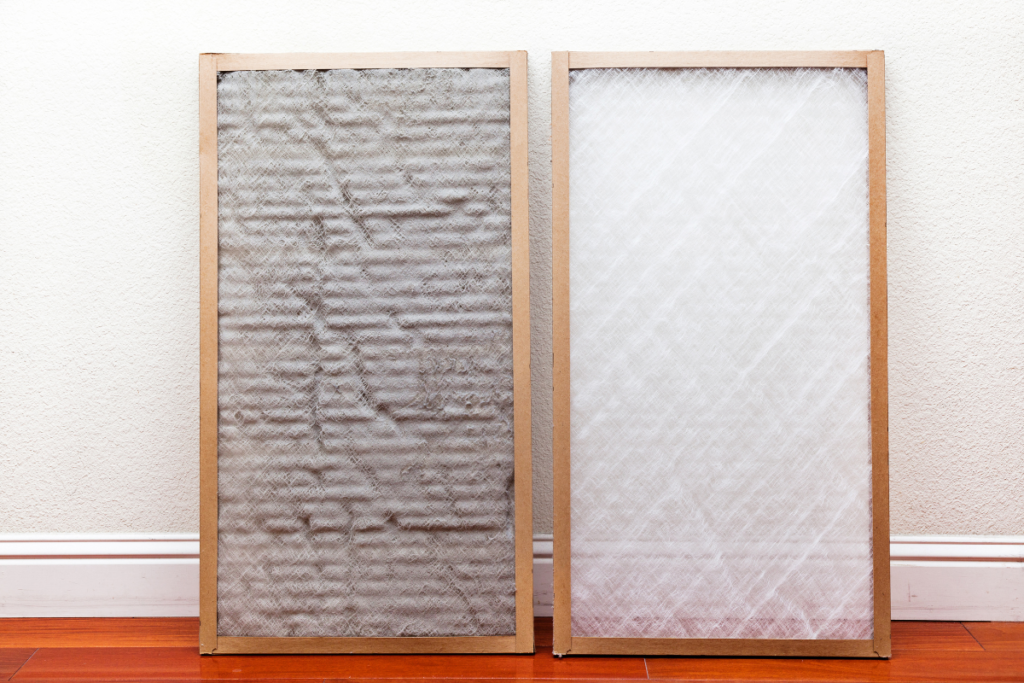
Your home’s air conditioning system works continuously to maintain the ideal temperature throughout the year. However, some of those typical air contaminants are being filtered out as they cycle through all that air. Their air filters eventually clog up and stop functioning. This affects the quality of your interior air as well as your AC system, which can eventually require expensive repairs. Therefore, if you are prone to allergies or live in an area with high levels of pollution, make sure to clean your AC filters on a regular basis or sign up for an air conditioning service plan, which typically includes a filter change.
There are other factors at play in your home environment besides your AC filter that contribute to clean air.
Make sure to check the filters in other home appliances if you’re serious about improving the quality of your home’s indoor air. Periodically check and maintain your kitchen vents, laundry dryer, and vacuum cleaner. These typical household filters should be cleaned or changed every few months.
- Properly ventilate
With that being said, your home’s current ventilation system could be benefitting or hindering your indoor air quality. Poor ventilation can cause contaminated air to circulate throughout the entire house. Pollen and dust buildup in an inadequately ventilated home can be harmful to one’s health, especially for those who have allergies or asthma. If the weather permits, think about opening your windows and doors to let fresh air into your house. Installing a new ventilation system in your home is another guaranteed way to solve this problem.
- Control humidity in your home
Mold and mildew can cause respiratory problems like allergies and asthma because they thrive in humid, wet environments. The hot summer months might bring about very humid weather, depending on where you live. With a strategically placed dehumidifier, you can lower the air’s moisture content and stop the development of bothersome mold. There are numerous humidifier alternatives that can assist keep humidity levels constant and make your house comfortable to live in.
- Seal your home
By securing windows and doors, you can reduce air leaks and boost the effectiveness of your air conditioner because you won’t be losing filtered air to the outside. In the winter or during natural disasters like wildfires, many homeowners choose to DIY weatherstrip their windows and doors.
Looking for a larger home improvement task? Fix any minor cracks in your foundation or walls. It prevents indoor pollutants from entering your house. Pollen, industry, and car exhaust are all potential sources of pollution.
Insulating your home is yet another approach to maintain clean air inside. If you haven’t already, insulate your attic, garage, basement, crawlspace, and walls.
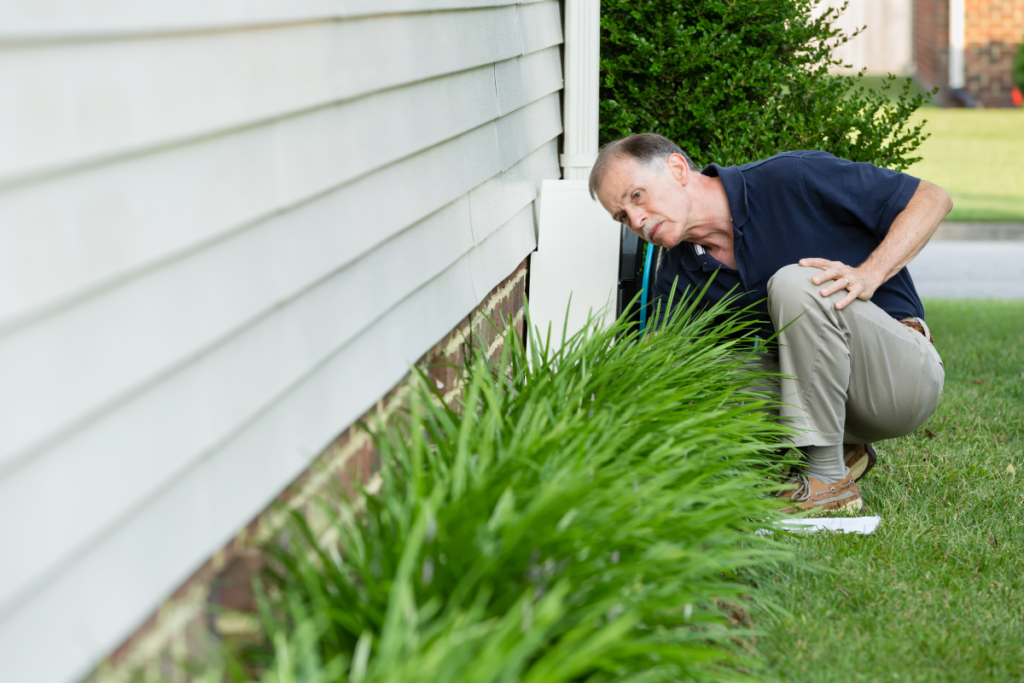
By reducing heat flow and maintaining a constant temperature in your home, this maintenance task can lessen the effort required of your HVAC system to keep the air moving. Therefore, insulated spaces are more energy-efficient and can also cut your monthly costs.
- Maintain a regular cleaning routine
We regularly clean our homes using natural and environmentally friendly methods for a variety of reasons. Your home will look nicer and may make you feel more comfortable if your floors and furniture are cleaned. But did you know that maintaining a clean home also enhances the quality of your indoor air?
Dust mites and pet dander are two common allergens that can gather on floors and furniture. Therefore, routinely dust your couch and table surfaces, wash your bedding, and clean your floors. This will assist in removing buildup on a regular basis and stop these allergies and particles from spreading throughout your home.
Improve Your Indoor Air Quality with Jersey Shore Crawlspace Enhancement
Let’s face it—the crawlspace is not part of the home most of us frequent. Due to the limited access of the crawlspace, problems can grow quickly over the course of time and be impacted by the inherently moist environment.
It is imperative to maintain regular maintenance of your crawlspace by a moisture management professional. A handy man or pest control company is a great asset to have in maintaining your home, but the crawlspace is an entity that should be maintained by a trained professional who understands the effects of moisture here on the Jersey Shore.
Jersey Shore Crawlspace Enhancement offers a comprehensive crawlspace evaluation to monitor the moisture conditions within your crawlspace, all the while ensuring that your home is not at risk for issues common in crawlspace homes.
We perform this evaluation 3 times throughout the year to stay in front of seasonal issues, monitor the moisture conditions, and service your vents to ensure proper ventilation. With over 20 years of dedicated service for our fellow neighbors here on the shore, trust your crawlspace with the Jersey Shore’s Crawlspace pros!