%201%20(2).webp)
Crawlspace Protection Experts
Enhance your home's energy efficiency today
Comprehensive Crawlspace Enhancements
What our clients say


Got questions? We’ve got answers
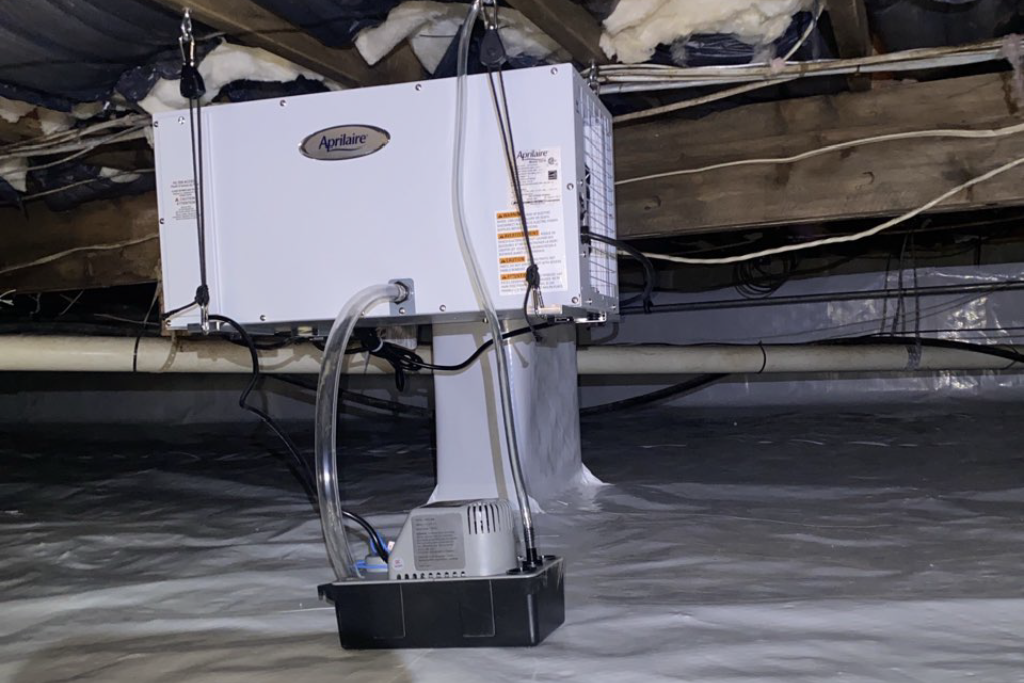
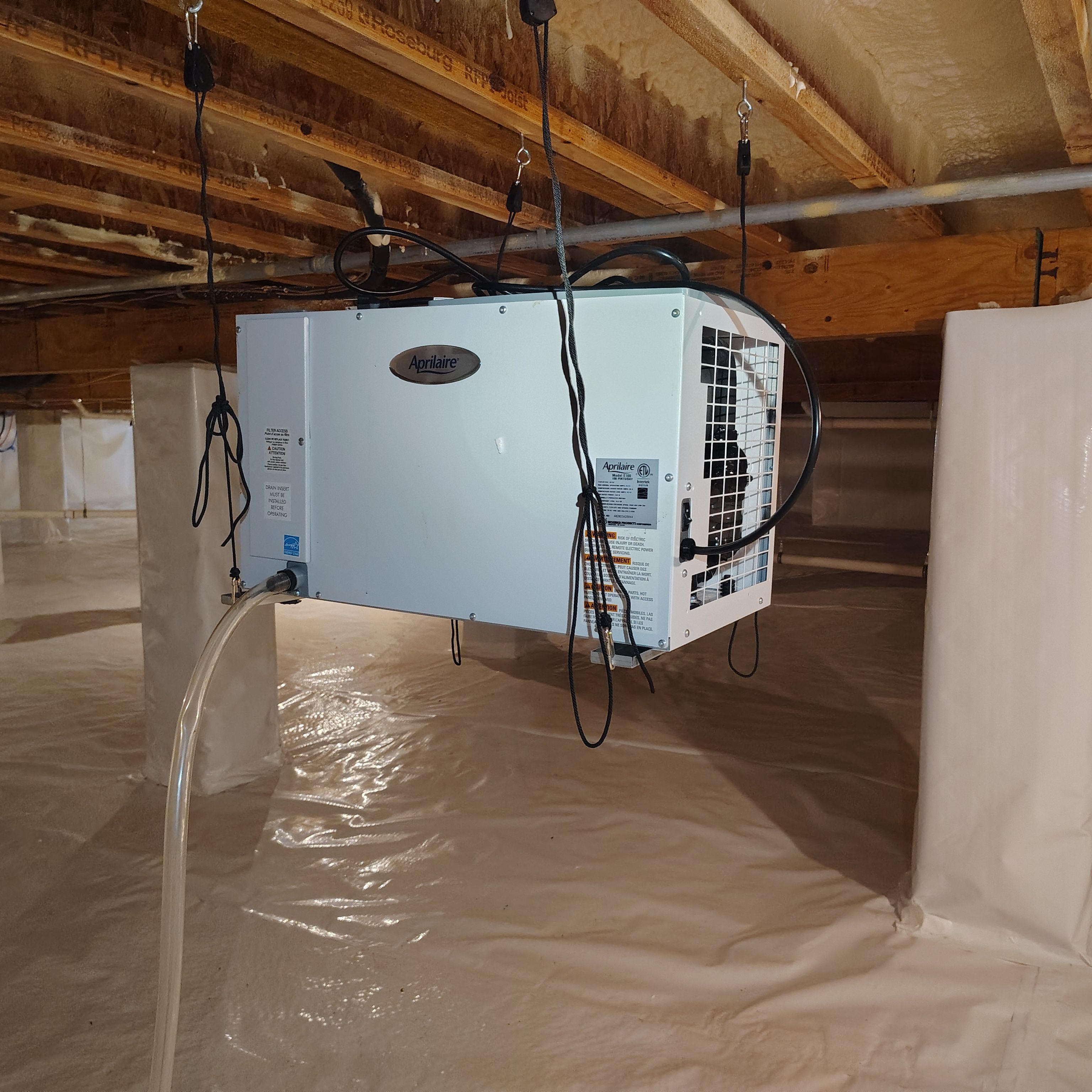
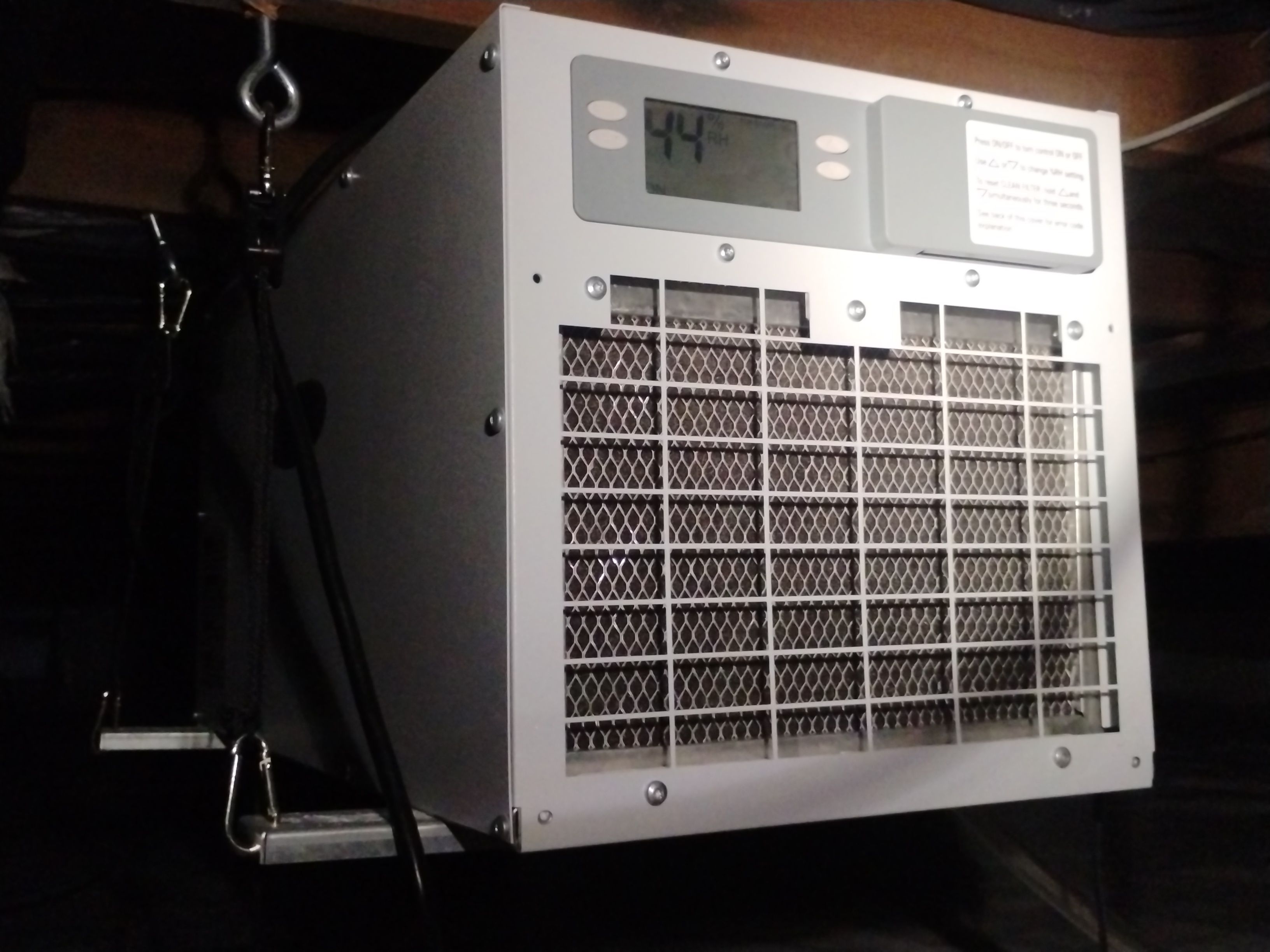
Encapsulated crawlspaces require minimal maintenance, but we recommend three checkups per year (included in our Evaluation Service) to observe how the system performs during different seasons. During these visits, we inspect humidity levels, confirm the dehumidifier is operating properly, verify drainage systems are functioning as intended, and ensure the vapor barrier remains intact. Monitoring the system throughout the year helps keep it performing at its best and supports long-term warranty protection.
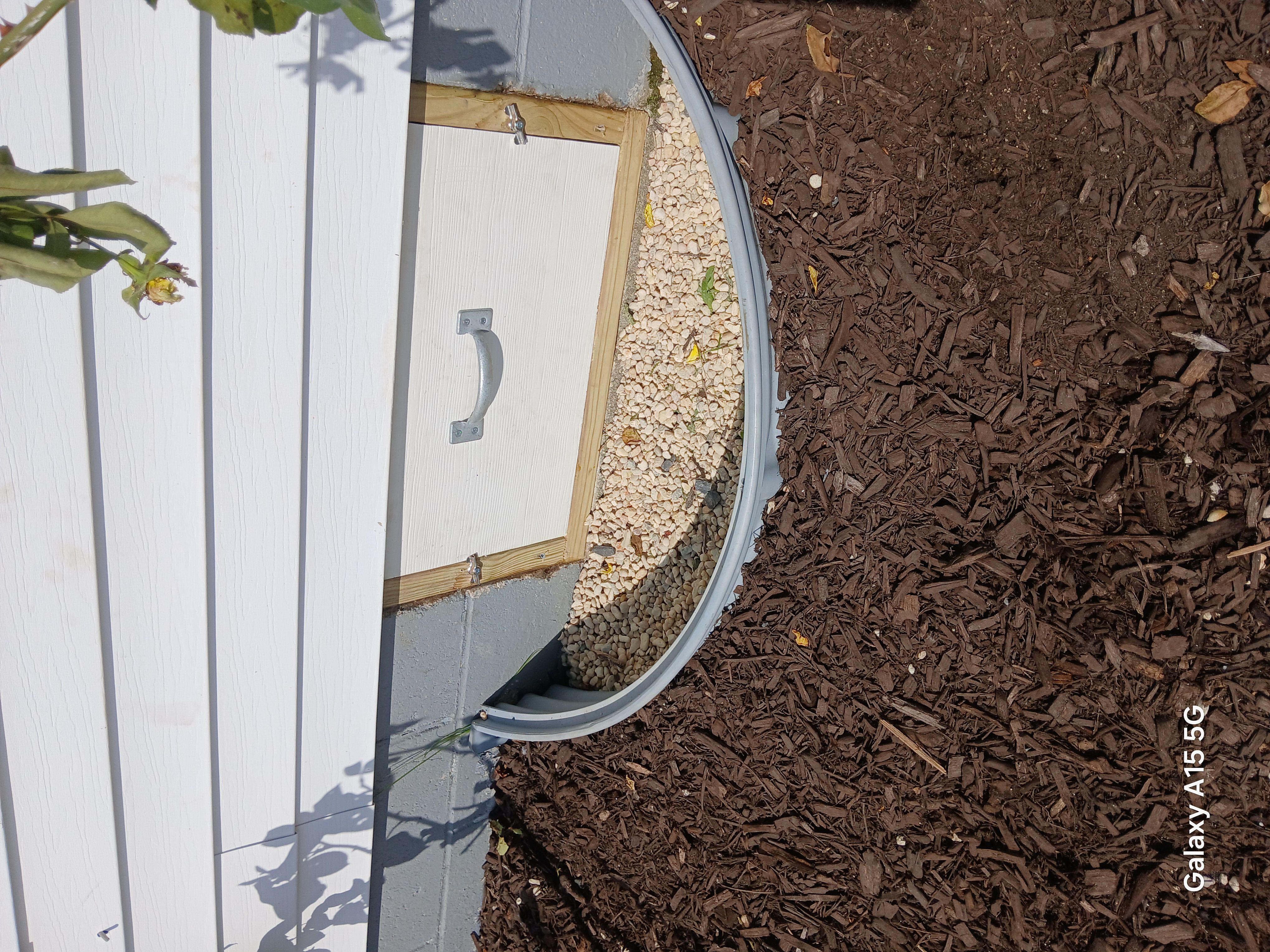
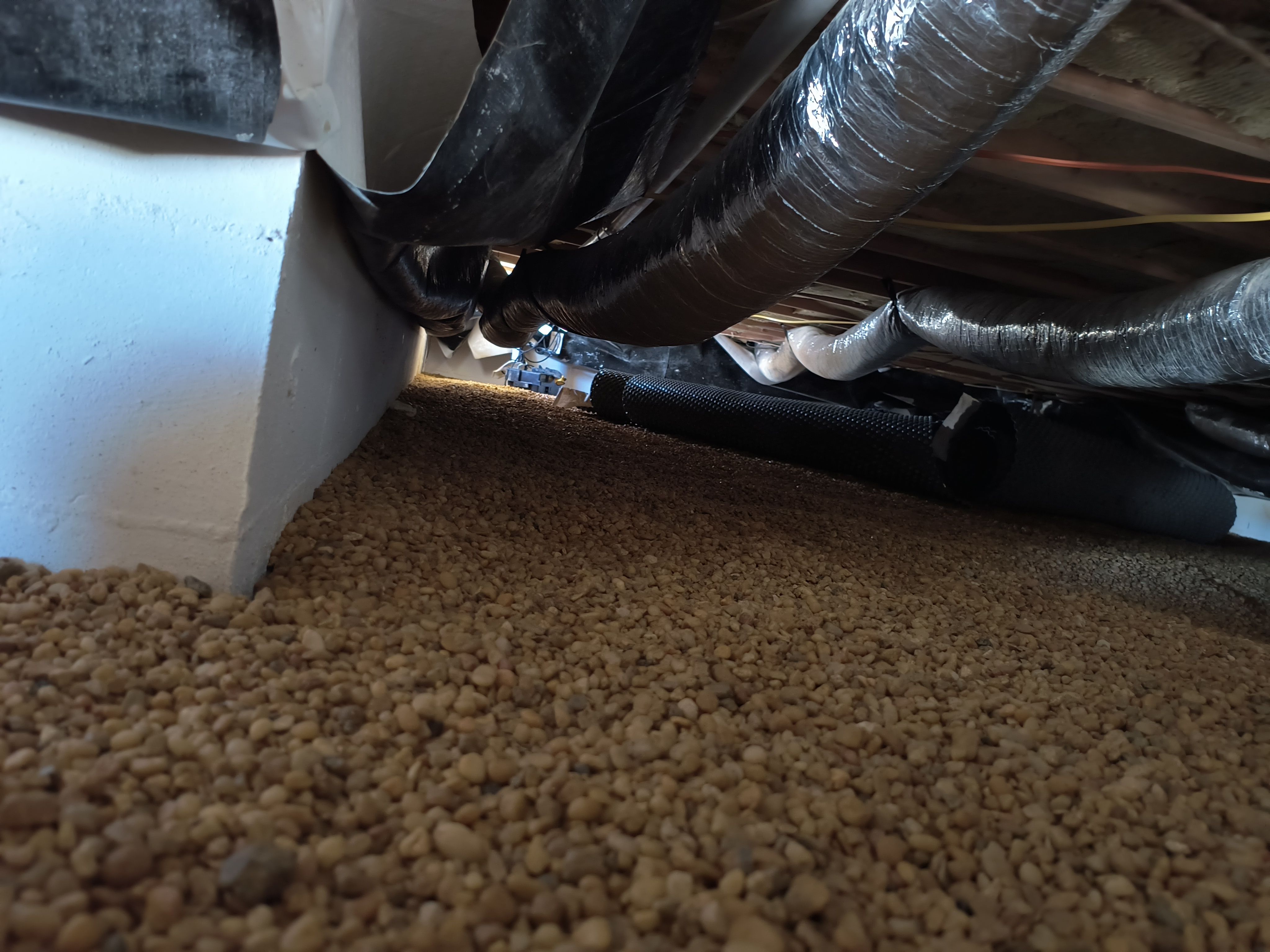
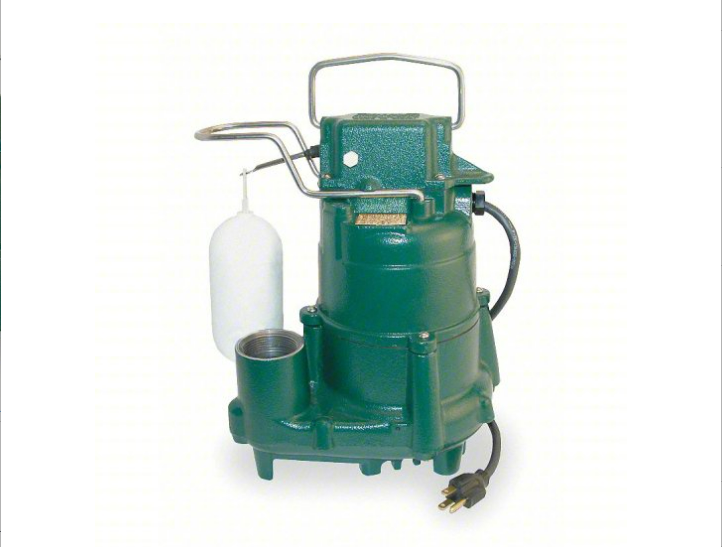
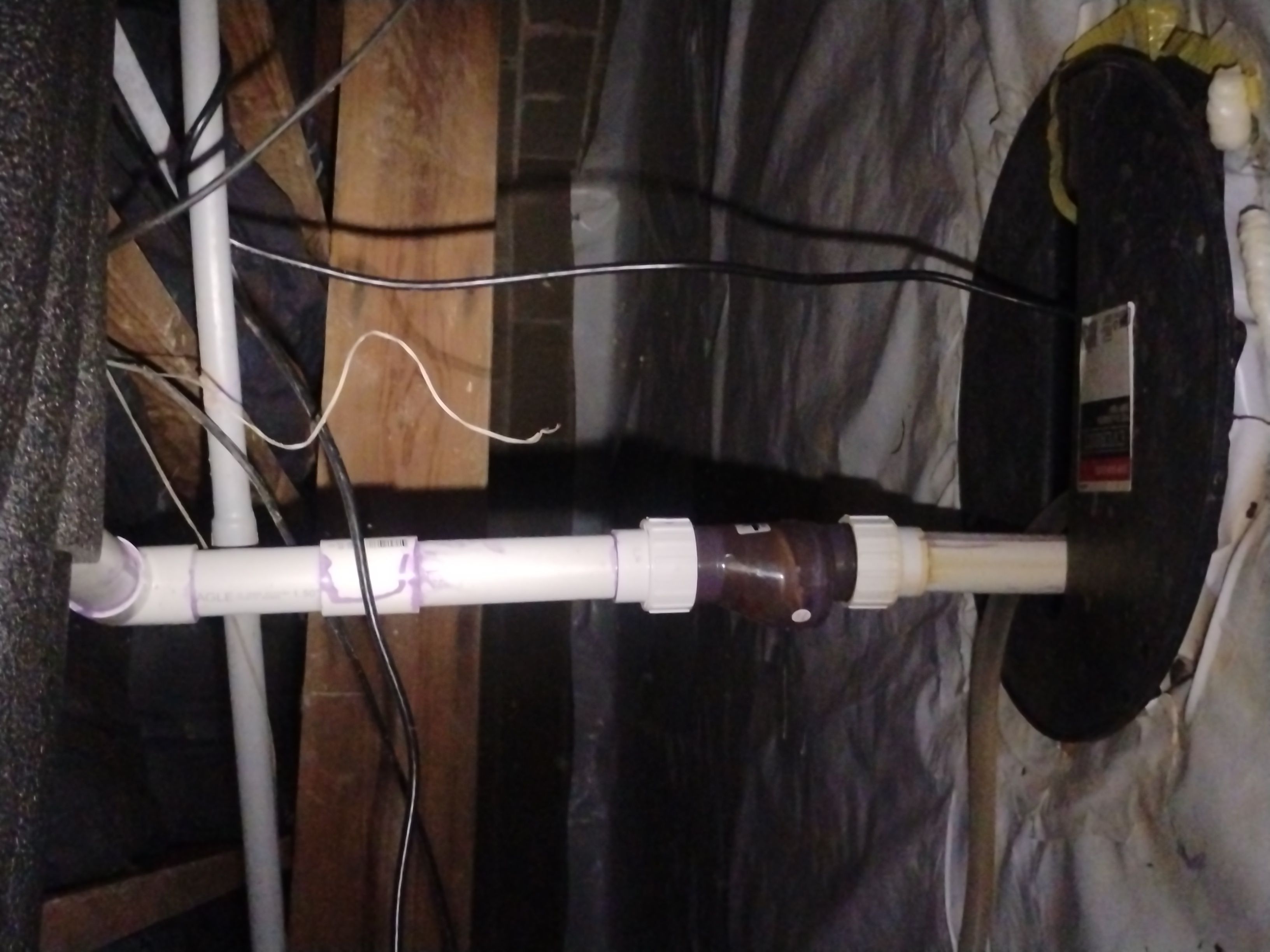
Water can enter a crawlspace from poor drainage, high groundwater, foundation cracks, overflowing gutters, low lying vents/doors, negative grading, or a failing sump system. Standing water creates ideal conditions for mold, wood rot, and pests. We identify the source and recommend the right drainage or sump approach to correct it.
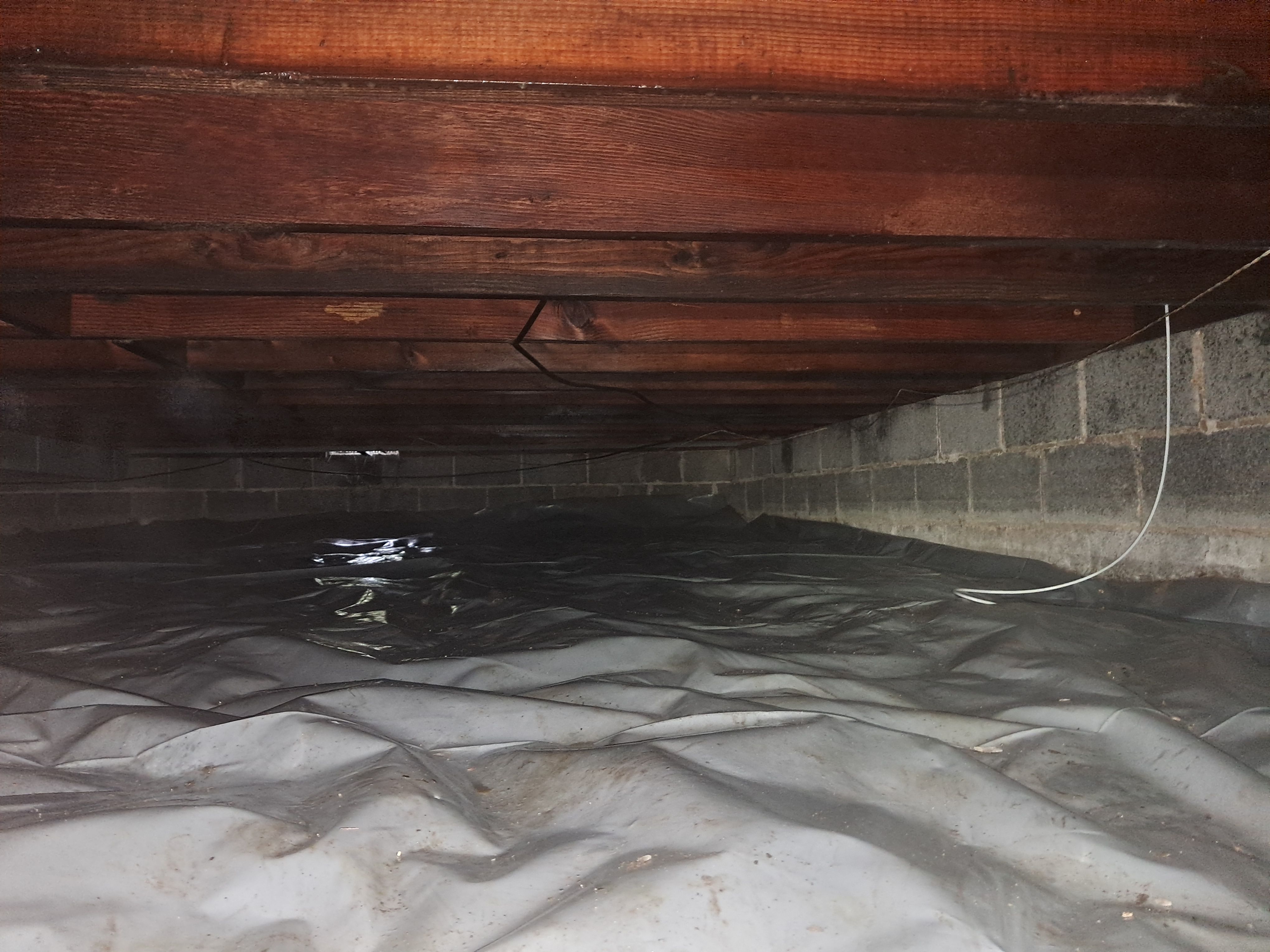
Signs you may need encapsulation include musty odors, high humidity, cold floors, wood floor buckling, cupping or separating, mold growth, pests, falling insulation, or visible moisture or water intrusion. If any of these issues are present, an evaluation will determine whether encapsulation—or a combination of drainage and moisture control—is recommended.
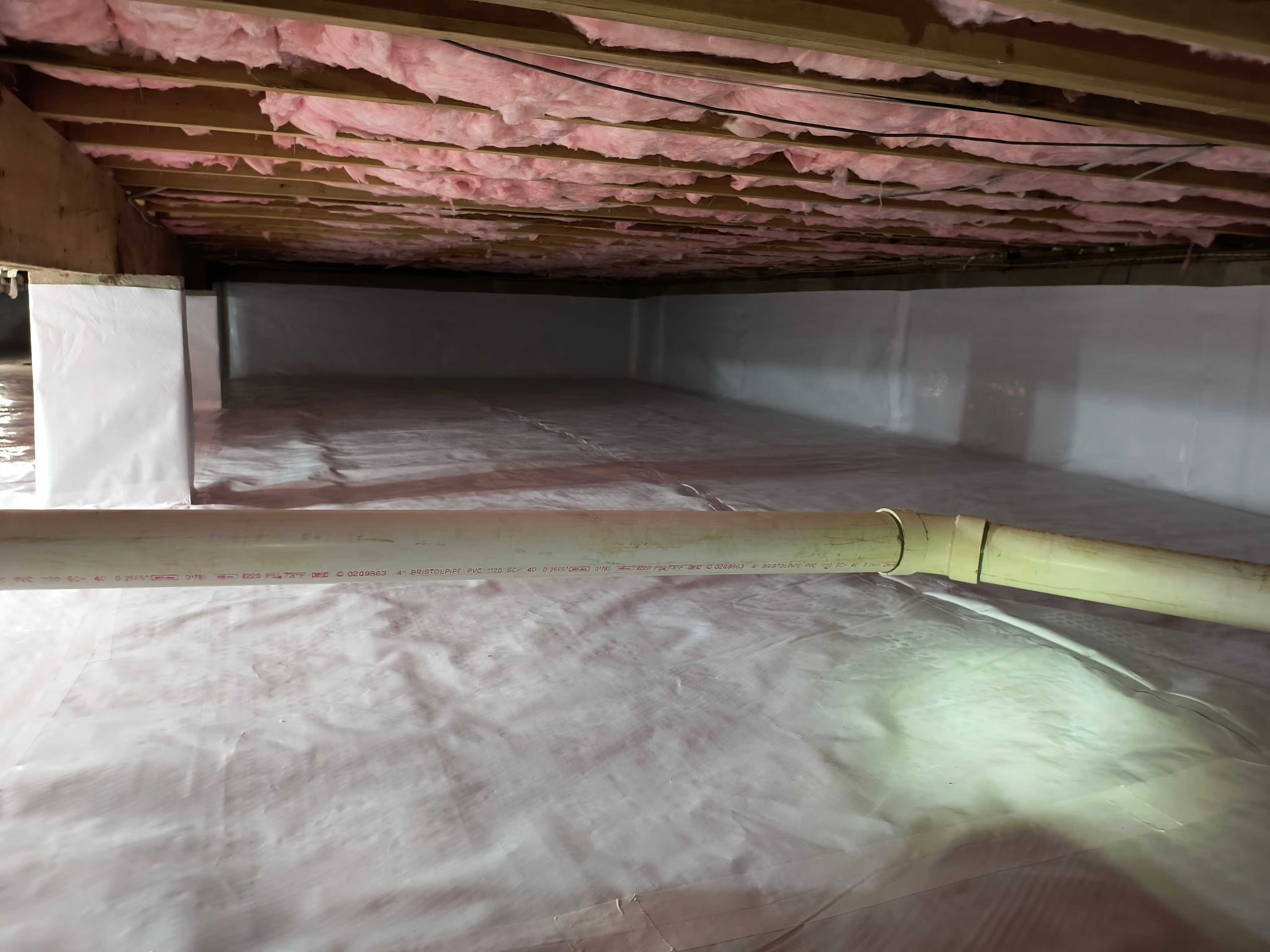
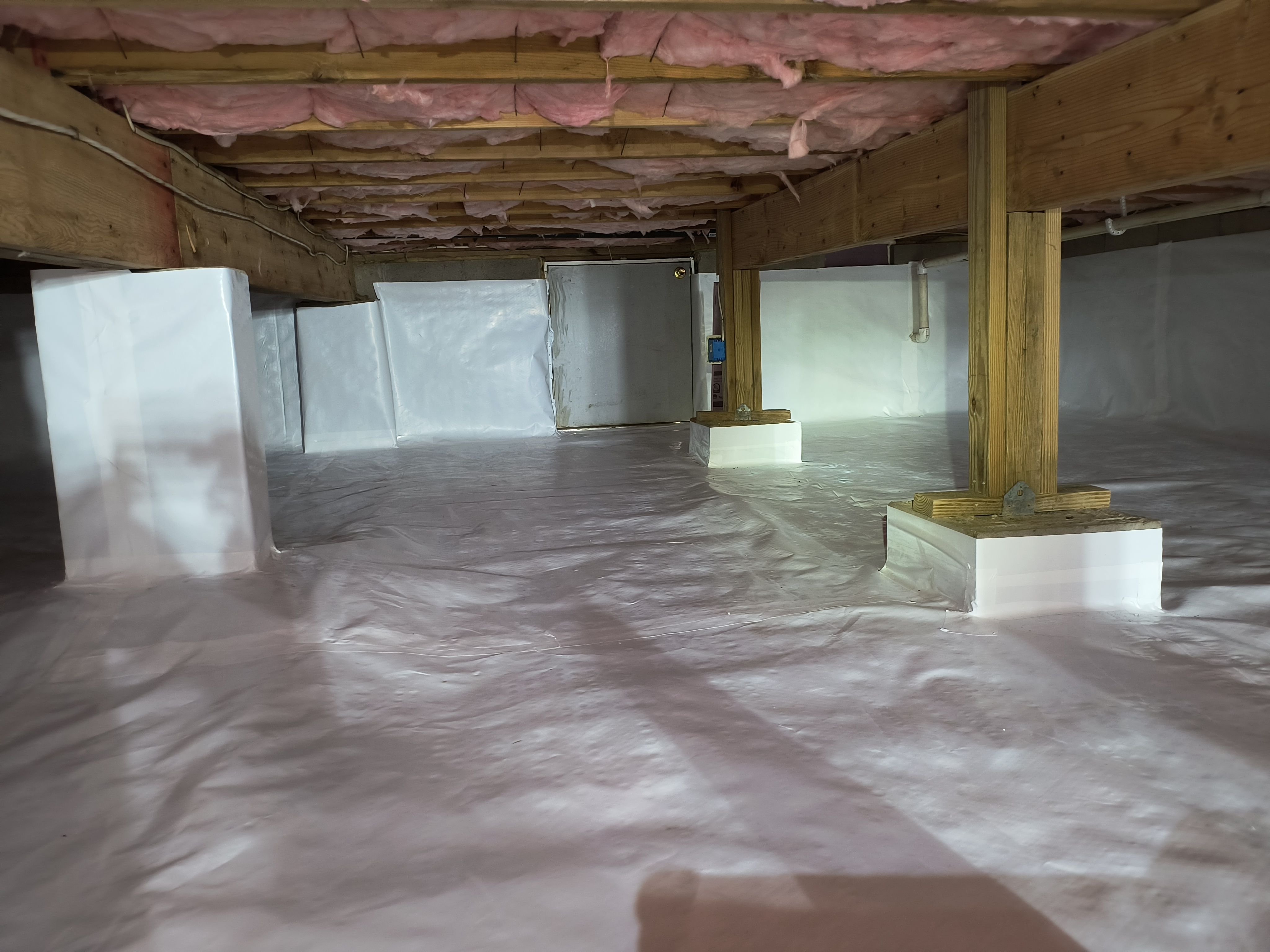
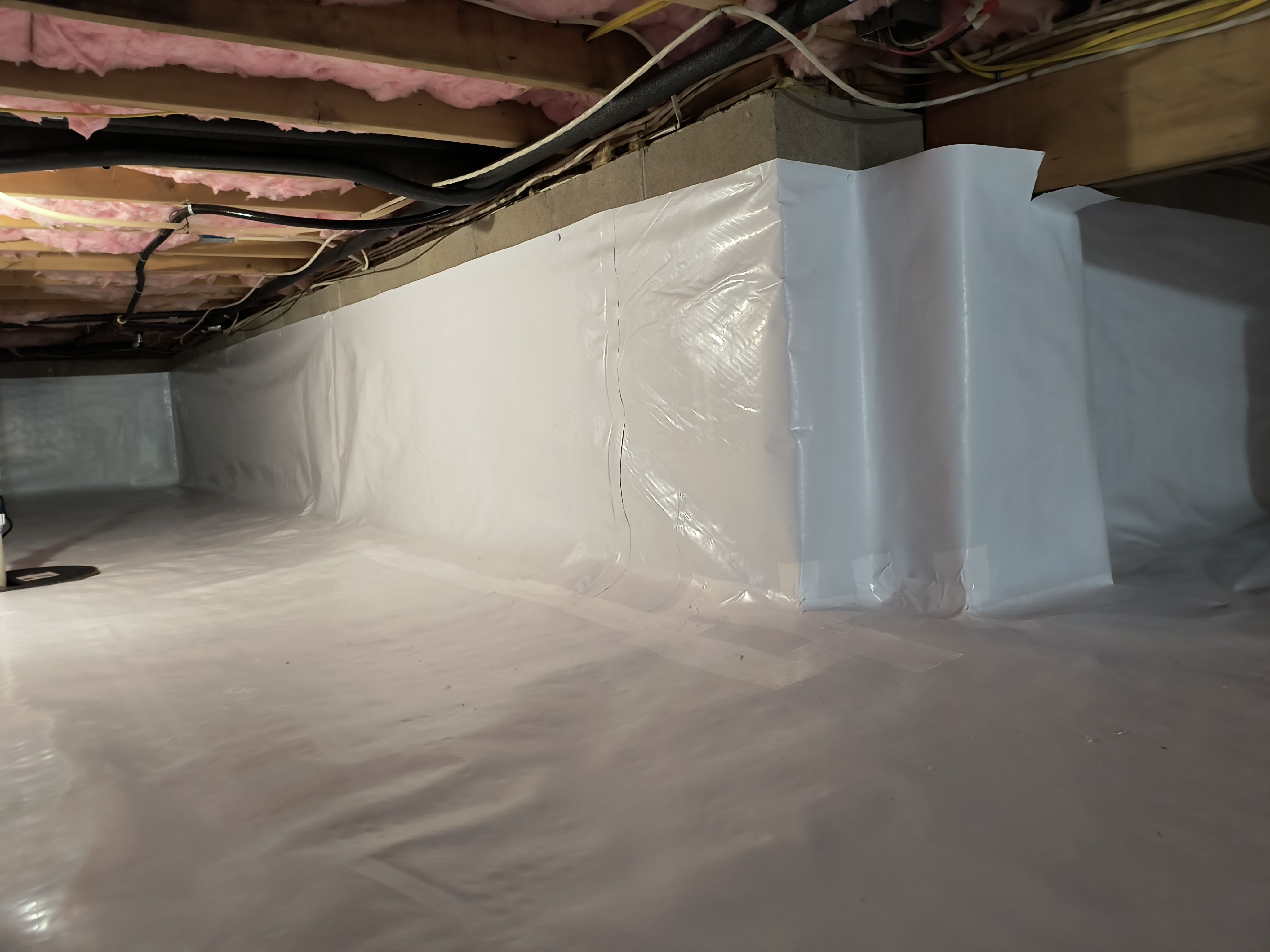
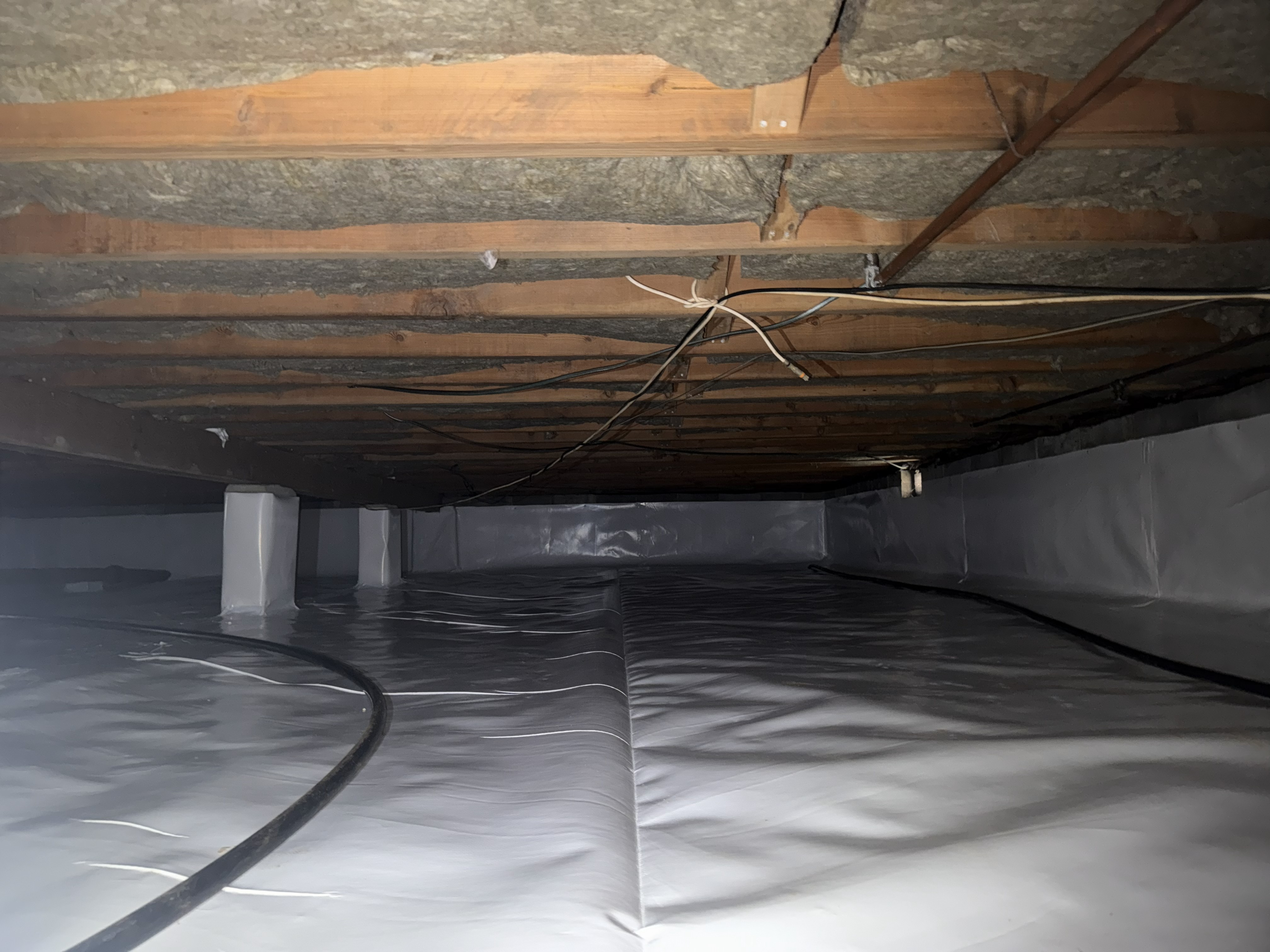
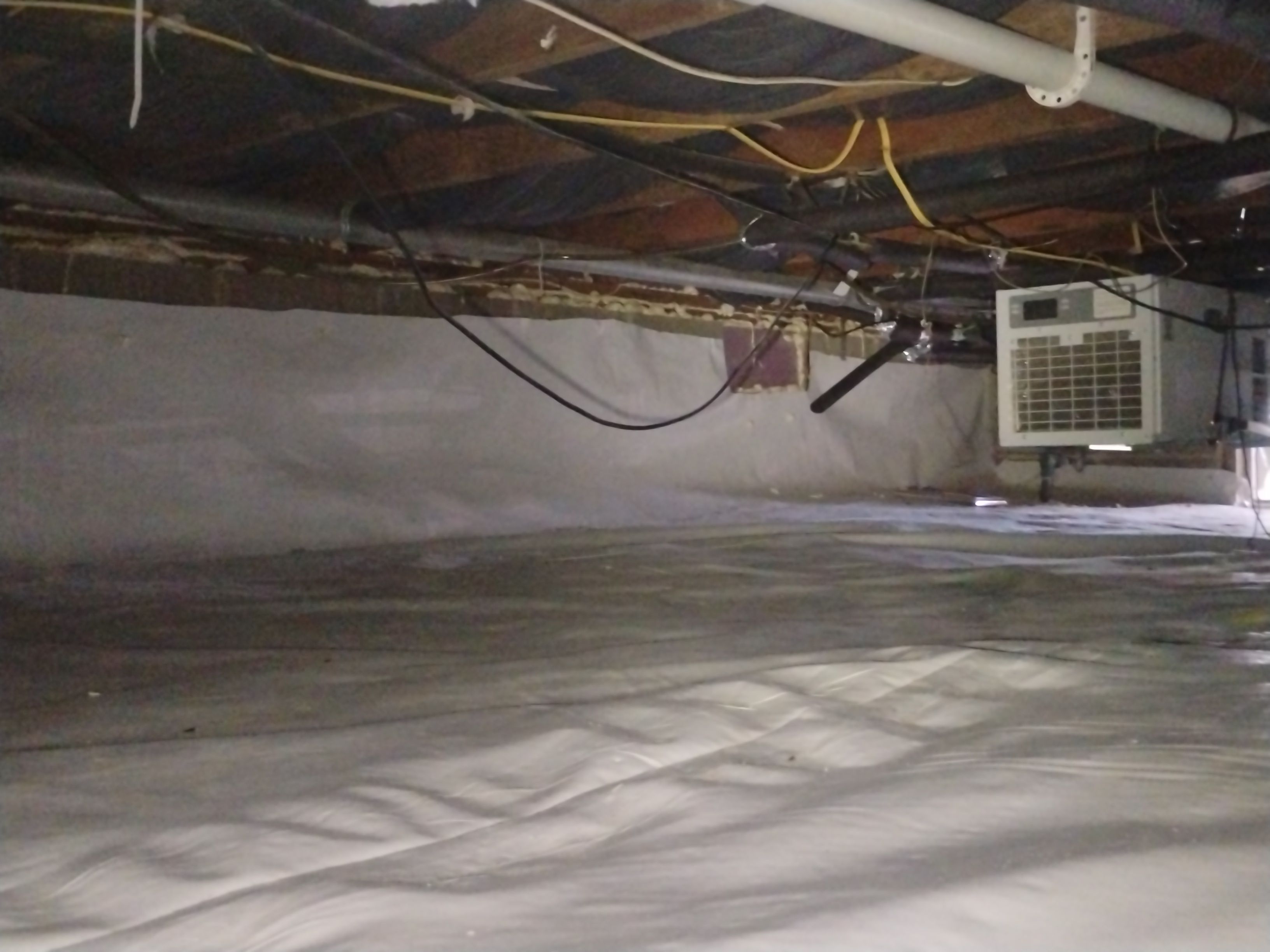
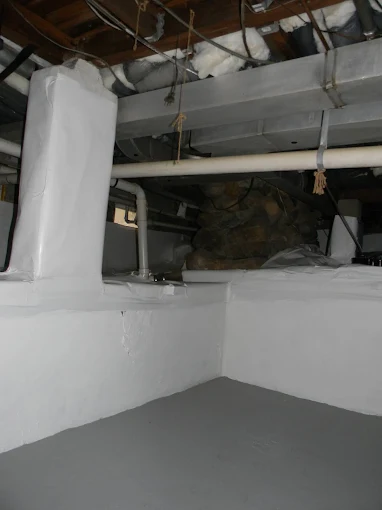
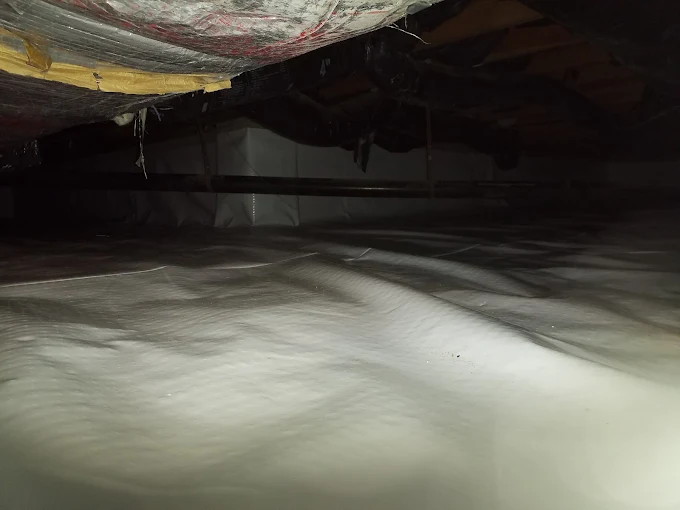
Crawlspace encapsulation is the process of sealing the crawlspace from the outdoor environment with a durable vapor barrier, insulation, air sealing, and humidity control. This creates a clean, dry, conditioned space that protects your home from moisture, mold, odors, pests, and energy loss. It is the most effective way to manage a crawlspace.

.svg)
.svg)
.svg)