Four Less Obvious Signs of Needing Crawlspace Repair
Water damage can be crippling for many American homeowners. It often consists of costly repairs and devastating damage to one’s biggest investment, their home, and the personal belongings inside. With this being said, it’s important to know when your home is suffering from levels of excessive moisture. The American Society of Heating Refrigeration, Air Conditioning Engineers (ASHRAE) recommends keeping your home’s relative humidity between 30-60 percent. Outside of this range, your air and your body are more susceptible to airborne pollutants such as allergens, mold, mildew, and viruses. In addition to this, your home could be susceptible to structural damage, pest activity, and more. To stay prepared and practice precaution rather than reaction, continue reading to learn four of the less obvious signs that your crawlspace is in need of repair.
Foul Odors
While foul odors themselves are obvious, their cause may not be obvious to the average homeowner. Musty, foul odors in the home, especially after rain, usually indicate excessive levels of moisture in the crawlspace. Excess moisture can enter the crawlspace through the exposed soil floor, groundwater flooding, humid outside air entering the crawlspace, plumbing leaks, etc. It’s imperative to fix the moisture issue to remedy the odor problem.
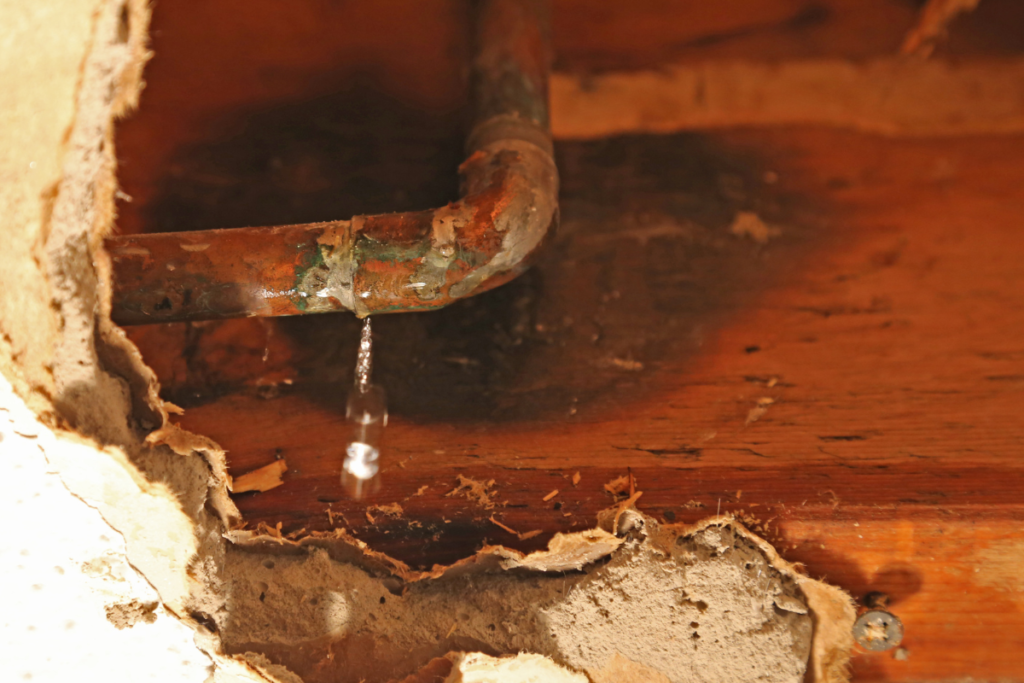
In addition to excessive moisture, pipe leaks and pest activity could be the source of foul odors in the home. The crawlspace contains much of the “guts” of your home, so it’s not uncommon for pipe leaks to go undetected. Pests and vermin are other common sources.
Using crawlspaces for shelter, they do everything from eating, to leaving excrement, to dying, all under your home and your nose. In these cases, it is important to immediately reach out to a moisture management and/or pest control professional as these instances can be huge health hazards.
Damaged Flooring Above the Crawlspace
Flooring may begin to sag, warp, separate, buckle, cup, bubble, wrinkle, etc. when exposed to excessive levels of moisture. Some homeowners may chalk this up to wear and tear over time, poor installation, or that it’s due to the house settling. While there could be some ounce of truth to these theories, the likely culprit is the moisture in yourcrawlspace.
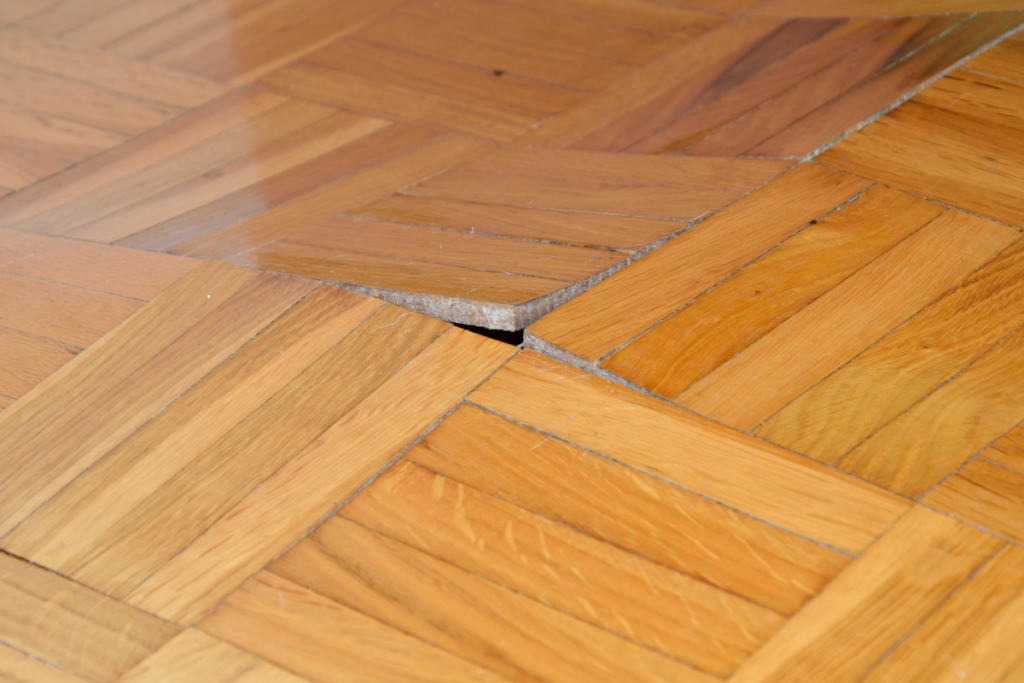
Moisture and humidity are common issues in unsealed crawlspaces with soil floors. When the wood structure of your home is exposed to excessive levels of moisture due to the stack effect and poor ventilation, it starts to decay, grow mold, and deteriorate. The floor above may become bouncy or mushy and start to sag as the floor joists and girders deteriorate to the point where they are unable to sustain the weight above.
All of this is to say that if you notice any changes in your flooring on the floor above your crawlspace, call a moisture management professional right away as it is likely due to severe structural damage.
Cracks
Similar to changes in flooring over time, many homeowners believe that cracks in their home’s foundation, walls, and areas around doors and window frames are due to house settling. These are also common signs of issues in the crawlspace. Drywall cracks around entrances, windows, and other corners of the walls may be a sign of weakened floor joists and supports in the crawlspace.
The Air Inside Your Home Feels Damp Or Heavy
According to health professionals, indoor relative humidity (RH) levels should range from 30-60 percent. They claim that for the majority of people, this range is secure and pleasant. It also aids in stopping the growth of mold and mildew. If your home feels humid inside, that could be a sign that your indoor relative humidity is excessive. You can experience difficulty breathing due to the air’s high moisture level. In any case, uncomfortable feelings may result from excessive humidity levels.
Due to its ability to absorb moisture from the air, your air conditioner may aid in reducing the indoor RH. However, the more work the AC has to do to cool the damp air, the more energy it must use. The additional strain may also shorten the lifespan of your space cooler and increase your energy costs.
High indoor RH levels can be a result of foundation issues. This can happen when too much moisture seeps into the building through the crawlspace or other cavities. Problems with your home’s foundation drainage can potentially let a lot of moisture inside. Even with the air conditioner running, your home may have foundation problems if it seems moist.
Crawlspace Repair Services by Jersey Shore Crawlspace
Let’s face it—the crawlspace is not part of the home most of us frequent. Due to the limited access of the crawlspace, problems can grow quickly over the course of time and be impacted by the inherently moist environment. It is imperative to maintain regular maintenance of your crawlspace by a moisture management professional. A handyman or pest control company is a great asset to have in maintaining your home, but the crawlspace is an entity that should be maintained by a trained professional who understands the effects of moisture here on the Jersey Shore.
Jersey Shore Crawlspace Enhancement offers a comprehensive crawlspace evaluation to monitor the moisture conditions within your crawlspace, all the while ensuring that your home is not at risk for issues common in crawlspace homes.
We perform this evaluation 3 times throughout the year to stay in front of seasonal issues, monitor the moisture conditions, and service your vents to ensure proper ventilation. With over 20 years of dedicated service for our fellow neighbors here on the shore, trust your crawlspace with the Jersey Shore’s Crawlspace pros!