
How to Handle Emergency Flooding in Your Basement
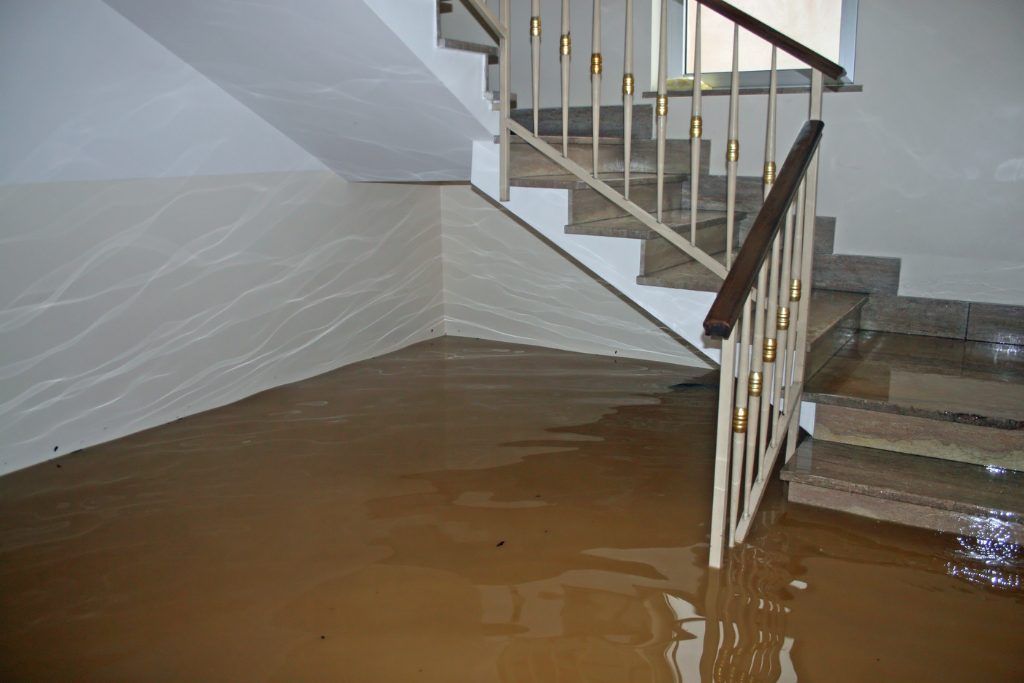
Navigating emergency flooding in a basement is a homeowner’s nightmare, representing one of the most urgent and distressing home emergencies. The immediate impact on your living space, belongings, and the potential threat to your home’s structural integrity make this situation uniquely challenging. Swift and effective action becomes paramount to minimize damage and, more importantly, ensure the safety and well-being of your home and family.
Whether you’re a seasoned homeowner or facing this crisis for the first time, our goal is to offer a resource that not only guides you through the steps but also imparts a deeper understanding of the situation. We recognize the emotional toll that emergency flooding in a basement can take, and our guide is crafted to be a trusted companion, providing clarity and actionable steps during a time of distress.
Understanding the Gravity of the Situation
Before rushing into a flooded basement, prioritize safety. Confirm that the power is turned off to avoid electrical hazards, and equip yourself with the necessary safety gear, such as rubber boots and gloves. Your well-being is paramount during this crisis.
Identifying the Culprit
The first step in dealing with basement flooding is understanding its source. Is it a result of heavy rainfall, burst pipes, a malfunctioning sump pump, or a combination of factors? Pinpointing the cause helps tailor your response for maximum effectiveness.
Acting Promptly
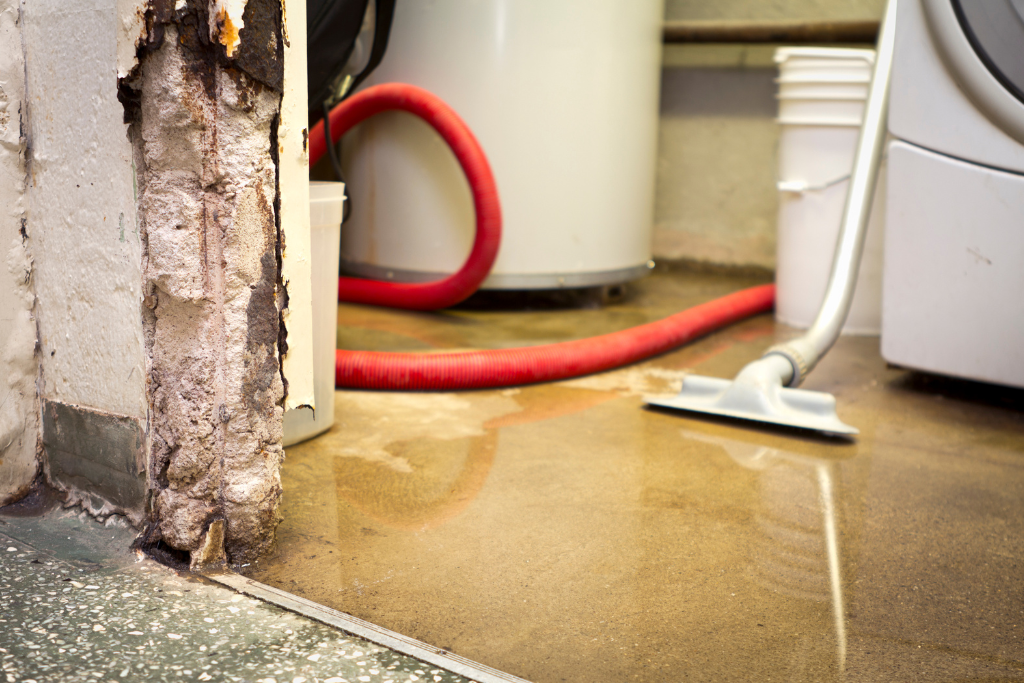
Time is the enemy when it comes to flooding. The longer water lingers, the more severe the damage. Begin by swiftly removing water using a pump, wet-dry vacuum, or good old-fashioned buckets. Every minute counts in mitigating the potential aftermath.
Documenting the Damage
Once the immediate danger is addressed, document the extent of the damage. Take thorough photos or videos of the flooded area. These records will be invaluable for insurance claims and can assist professionals in assessing the situation later on.
Salvaging What You Can
While the focus is on water removal, start salvaging items that can be rescued. Remove furniture, electronics, and any belongings at risk of further damage. The sooner you can retrieve and assess these items, the better your chances of minimizing loss.
Creating a Healing Environment
After water removal, the battle isn’t over. Ensure proper ventilation using fans and dehumidifiers to prevent mold growth. Mold can pose serious health risks and thrives in damp environments, making thorough drying a vital component of the cleanup process.
Sanitizing and Disinfecting
Cleaning and disinfecting all surfaces affected by floodwater is crucial for a safe living environment. Use appropriate cleaning agents to eliminate potential health hazards, and don’t forget to wear protective gear during this process.
Inspecting for Structural Damage
With the space now cleared and sanitized, conduct a thorough inspection for structural damage. Examine the foundation, walls, and flooring for any signs of compromise. Addressing structural issues promptly is essential to prevent further deterioration.
Root Cause Analysis
While managing the immediate crisis is paramount, understanding and addressing the root cause of the flooding is equally crucial. Whether it’s burst pipes, sump pump malfunctions, or poor drainage systems, identifying and rectifying the underlying issue will help prevent future incidents.
Seeking Professional Assistance
In situations of extensive flooding or when uncertainties linger, seeking professional assistance is not only wise but essential. Water damage restoration experts bring a wealth of expertise and specialized tools to the table. They can assess the situation comprehensively, identify hidden risks, and implement efficient solutions tailored to your unique scenario.
It’s not uncommon for lingering issues to persist even after the visible water has been removed. That’s why we highly recommend an evaluation of the flooded space by professionals. Their trained eyes can uncover potential hazards and structural concerns that may go unnoticed by the average homeowner.
Expert Emergency Flooding Remediation Services by Jersey Shore Crawlspace Enhancement
Navigating through the aftermath of emergency basement flooding demands a strategic and well-coordinated approach. By diligently following the comprehensive steps outlined earlier, you not only address immediate risks but also establish the groundwork for a thorough and effective recovery. Your safety and the resilience of your home are our top priorities. Stay vigilant, stay safe, and let’s navigate through crises together.