
The Importance of Indoor Air Quality
Home is supposed to be our safe space where we can protect ourselves from the outdoor elements. When you’re off in the world, you’re exposed to all sorts of air pollution from pollen to auto emissions, factory smokestacks to fumes, and more. But did you know that the air inside of your home can be just as polluted as the outdoor air, maybe even more? Poor indoor air quality can be extremely harmful to you, your family, and your home. As a homeowner, it’s important to know what causes indoor air pollution and what contributes to your home’s overall indoor air quality.
What contributes to poor indoor air quality?
There are many different pollutants that can be found indoors such as allergens like dust and pet dander, gases released from cleaners, particles from cooking, excess moisture, smoke from tobacco products, and outdoor pollutants that get trapped indoors. It’s important to know what’s in your air and be aware of what comes in and out of your home. Buildings hang onto things pumped in through the HVAC system, brought in on shoes, and from furnishings and building materials. When you’re bringing something into your home, you’re not only bringing in what you can see—you’re bringing in possible bacteria and particles as well.
How does indoor air quality affect people?
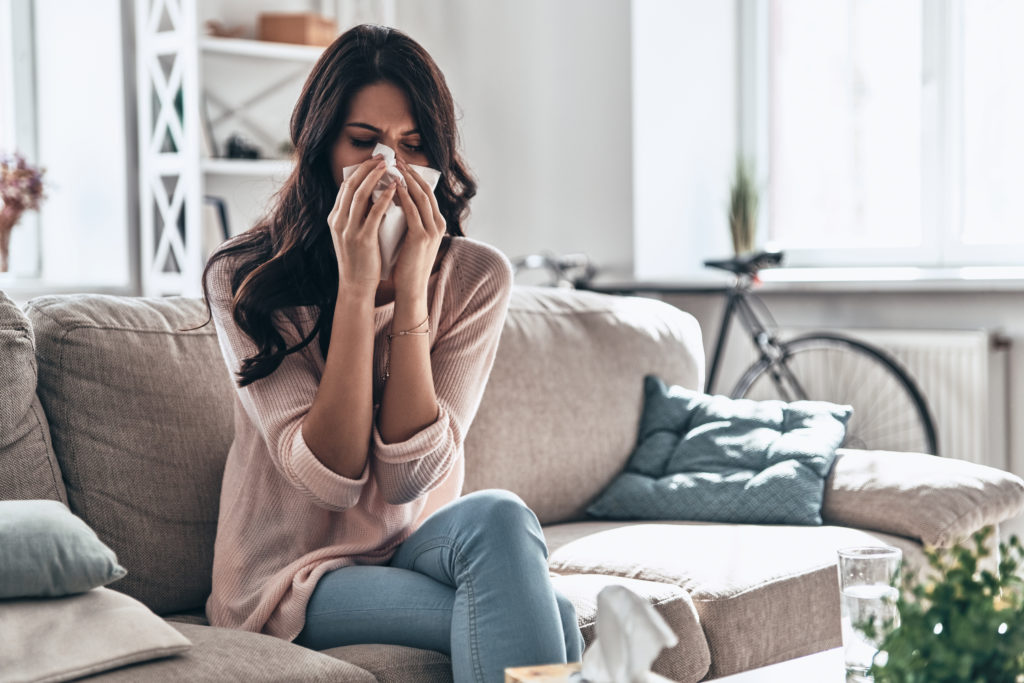
There are many studies out there that all say that poor indoor air quality can lead to a host of issues for those that live, inhabit, or work in the building. Indoor air pollution can lead to symptoms like eye, nose, and throat irritation, dizziness, headaches, fatigue, and can even contribute to upper respiratory illnesses.
This is all especially true for those that are sensitive or have allergies. On top of this, low quality air can impede on productivity and impair cognitive function. Overall, indoor air quality can have a huge impact on both mental and physical performance.
How do you know if you have poor indoor air quality?
One major indication of poor indoor air quality is noticing a change in your health after moving into a new house, buying or moving furniture, or after some remodeling. There are a lot of different factors that can contribute to poor indoor air quality, so it’s important to know how your lifestyle, activities, and home all contribute to this. Consider your home’s ventilation, the products that you use, if you own any pets, etc. as these can all have an affect on the air quality. If you believe that your air quality is suffering, it is best to have a professional test the air quality and inspect for any contributing factors like poor ventilation, mold growth, and more.
What can you do to improve indoor air quality?
In some cases, the indoor air quality in a home can be improved simply by increasing the amount of ventilation. While buildings that remain sealed up are more energy efficient, they can create problems with indoor air quality. Increasing both the ventilation and circulation in a home can drastically improve the quality of indoor air. Here are some practical steps you can take to make that improvement:
- Watch what chemicals you use and bring into your home. Make sure to read the labels of cleaners, deodorizers, paints, etc. and always follow the recommended instructions. Make sure to use harsh chemicals in a well ventilated area and to limit exposure.
- Take control of the moisture in your home. Humidity inside of a home should be less than 50%. High humidity gives mold, mildew, and bacteria a chance to grow so it’s pertinent that it doesn’t get too high. If you believe that your home is running too humid, contact a moisture management professional to inspect the issue.
- Eliminate the source(s) of any pollutants. Keep the windows of your home closed when outdoor pollution or pollen is high. If you find mold or mildew growth in your home, make sure to eliminate it completely at the source.
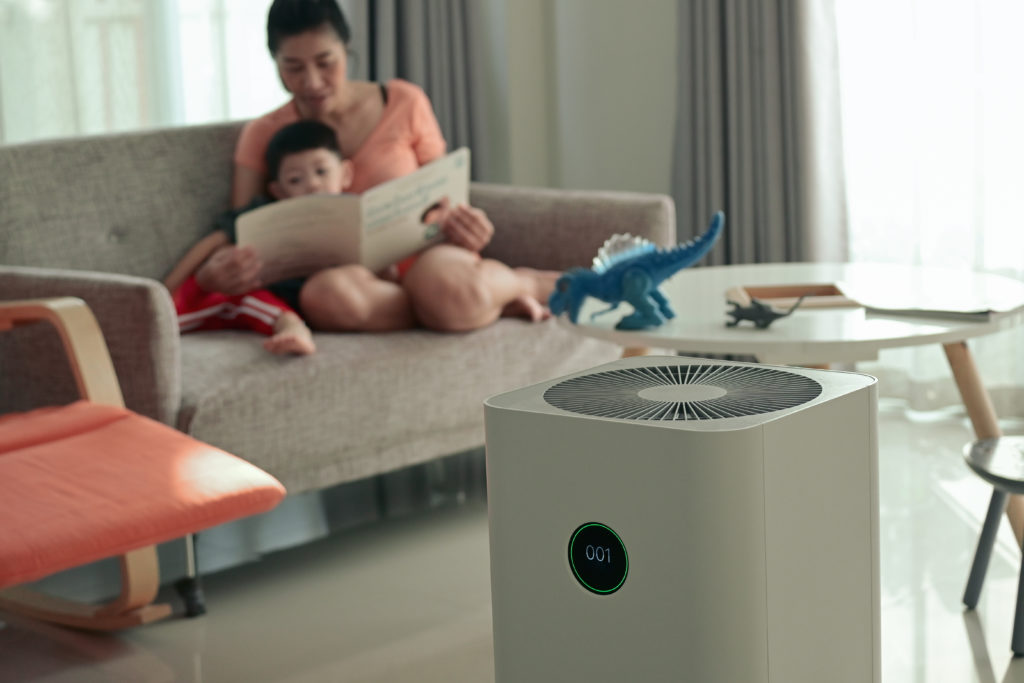
- Clean the air in your home. Air purifiers are a good solution for this and can be found in a variety of sizes and price points. However, a dehumidifier is ultimately the best option. This type of system pulls polluted, humid air out of your home while pumping fresh, clean air in.
- Keep your home clean to eliminate any pollutants. Have a regular cleaning schedule to maintain vacuuming, dusting, cleaning bathrooms, etc. Remember to change your HVAC filters regularly. Another small and added tip is to regularly groom your pets to minimize pet dander. You may also consider having your ducts cleaned to ensure that they’re not contributing to your poor indoor air quality.
Working with Jersey Shore Crawlspace Enhancement
Don’t wait to address the indoor air quality within your home. We offer a 22-point comprehensive crawl space evaluation to monitor the moisture conditions within your crawl space, all the while ensuring that your home is not at risk for issues common in crawl space homes. We perform this evaluation 3 times throughout the year to stay in front of seasonal issues, monitor the moisture conditions, and service your vents to ensure proper ventilation.
In addition to crawl space services, we also provide a wide variety of attic and basement services to combat all moisture related issues in the home.With over 20 years of experience in crawl space transformations and dedicated service to our neighbors along the shore, trust your crawl space with the Jersey Shore’s Crawlspace pros!
Ready to schedule your evaluation?
Click the button below to speak to a representative or complete the form at the bottom of the page and a representative will be in touch soon.