
Understanding Condensation Issues in Winter: Causes and Solutions
As winter blankets our homes with chillier temperatures, it brings with it the unwelcome companion of condensation. This phenomenon occurs when warm indoor air meets cold surfaces, leading to the formation of water droplets on windows, walls, and mirrors. Understanding the intricacies of this issue is crucial for homeowners seeking a comfortable and moisture-free living space during the colder months.
Ignoring condensation problems at home can cause various issues. Unaddressed condensation not only poses a threat to your immediate comfort but can also wreak havoc on the structural integrity of your property. As moisture accumulates on surfaces like windows and walls, it creates an ideal environment for mold growth. Mold not only presents health risks but can also lead to extensive and costly remediation efforts.
Moreover, persistent condensation can compromise the longevity of building materials, causing damage to walls, ceilings, and other vulnerable areas. Structural issues may arise, requiring substantial repairs. Additionally, the presence of excessive moisture can contribute to reduced energy efficiency, as damp environments are harder to heat. Therefore, taking prompt action to tackle condensation is not just about comfort—it’s a proactive measure to preserve your home’s health and resilience. Addressing condensation is an investment in the long-term well-being of your home.
Identifying Winter Condensation Causes
- Temperature Discrepancies: The stark contrast between the warmth inside and the chilly outdoors sets the stage for condensation, particularly on windows where the clash is most noticeable.
- Excessive Indoor Humidity: Everyday activities such as cooking, showering, and even using humidifiers contribute to elevated moisture levels within the home, exacerbating condensation problems.
Effective Strategies to Combat Condensation Woes
- Boosting Ventilation: Enhancing airflow and ventilation is a practical step to minimize condensation. Utilize exhaust fans in high-humidity areas like the kitchen and bathroom to expel moist air.
- Sealing Drafts and Gaps: Drafts introduce cold air, intensifying condensation. Address leaks around windows, doors, and walls by sealing gaps and cracks.
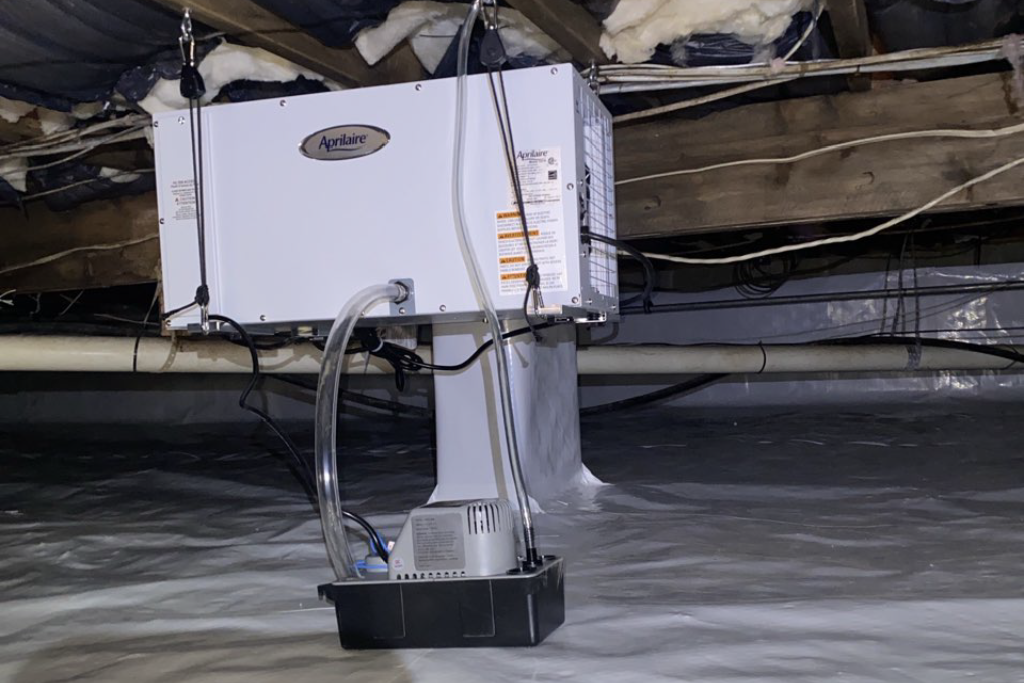
- Introducing Dehumidification: Investing in a reliable dehumidifier is an effective way to maintain optimal indoor humidity levels, curbing condensation issues and fostering a healthier home environment.
- Upgrading Insulation: Adequate insulation plays a crucial role in regulating temperature disparities. Evaluate and enhance insulation, particularly in key areas prone to condensation.
Why Tackling Condensation Matters
- Mold Prevention: Excessive condensation serves as a breeding ground for mold. By controlling moisture, you thwart mold growth, preserving indoor air quality and health.
- Preserving Structural Integrity: Persistent condensation can lead to structural damage, compromising the integrity of walls, ceilings, and other vulnerable areas.
- Improving Energy Efficiency: Addressing condensation not only protects your home from potential long-term damage but also enhances overall energy efficiency, minimizing the risk of costly repairs.
Take Control of Your Home’s Comfort
This winter, proactively address condensation concerns to ensure a cozy, dry, and healthy living space. By implementing these practical solutions, you’re not only enhancing your winter living experience but also safeguarding your home’s longevity. Embrace the season with confidence, knowing your home is a haven of warmth and well-being.
Ready to transform your home into a winter-ready sanctuary? Contact us today for personalized solutions tailored to your unique needs.