
Understanding the Connection Between Home Insulation and HVAC Performance
The efficiency of your HVAC system and the comfort of your home are deeply connected to the quality of your insulation. While these elements might seem unrelated, insulation plays a critical role in how well your HVAC system can regulate temperature and manage energy consumption. Understanding how insulation impacts your HVAC system is essential for maintaining a comfortable and cost-effective living space. Let’s explore how proper insulation can enhance your HVAC system’s performance and why it’s crucial for your home’s overall energy efficiency.
How Insulation Impacts HVAC Performance
1. Temperature Regulation:
Insulation acts as a barrier between your home and the outside environment, helping to maintain a consistent indoor temperature. In the summer, insulation prevents hot air from entering your home, reducing the workload on your air conditioning system. In the winter, it keeps warm air inside, allowing your heating system to operate more efficiently. Without proper insulation, your HVAC system has to work harder to maintain the desired temperature, leading to increased energy consumption and higher utility bills.
2. Reduced HVAC Strain:
When your home is well-insulated, your HVAC system doesn’t have to cycle on and off as frequently. This reduced strain on the system not only extends its lifespan but also lowers the chances of unexpected breakdowns and the need for costly repairs. Proper insulation allows your HVAC system to run more efficiently, maintaining comfort with less effort.
3. Energy Efficiency:
Poor insulation allows conditioned air to escape, meaning your HVAC system has to work overtime to make up for the loss. This constant battle against the elements results in higher energy consumption and, subsequently, higher energy bills. By ensuring that your home is adequately insulated, you can significantly improve your HVAC system’s energy efficiency, leading to long-term savings.
4. Improved Indoor Air Quality:
Insulation doesn’t just regulate temperature; it also plays a role in maintaining indoor air quality. Proper insulation helps to seal gaps and cracks where dust, allergens, and pollutants can enter your home. A well-insulated home works in tandem with your HVAC system’s air filters to keep the air you breathe clean and healthy.
5. Environmental Impact:
By improving your home’s insulation and, consequently, your HVAC system’s efficiency, you’re also reducing your carbon footprint. Lower energy consumption means less demand on power plants, leading to fewer greenhouse gas emissions. Enhancing your home’s insulation is not just good for your wallet; it’s also beneficial for the environment.
Signs That Your Home Needs Better Insulation
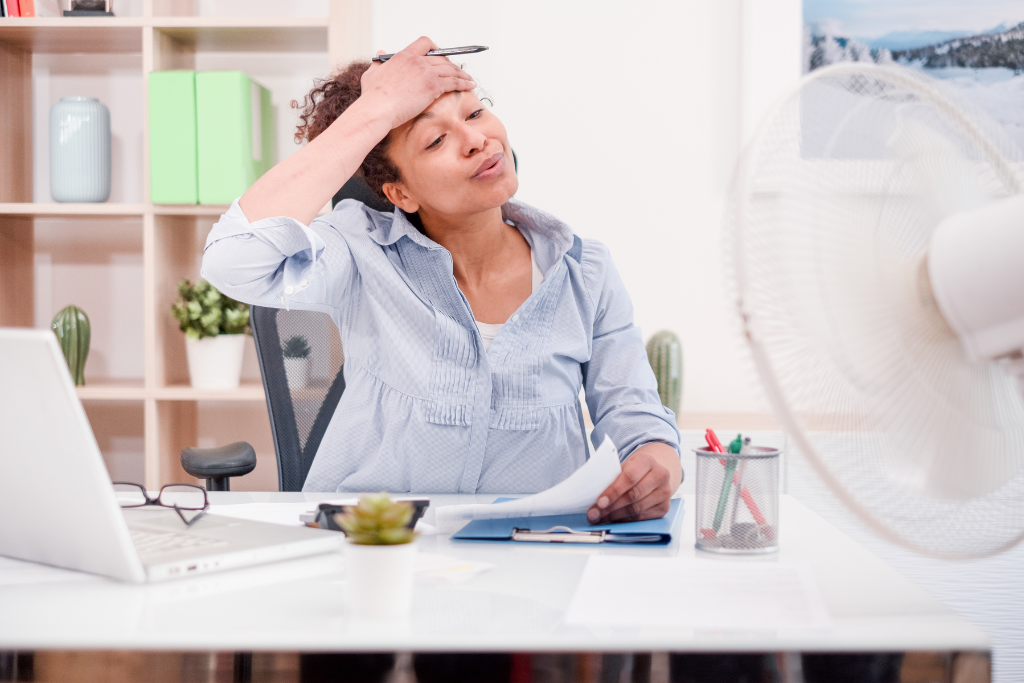
If you notice any of the following signs, it may be time to evaluate and improve your home’s insulation:
- Uneven temperatures between rooms
- High energy bills despite regular HVAC maintenance
- Drafts near windows, doors, or in certain areas of the home
- Difficulty maintaining a consistent indoor temperature
- HVAC system running constantly without reaching the desired temperature
Improving Insulation for Optimal HVAC Performance
To maximize your HVAC system’s performance, it’s essential to ensure that your home’s insulation is up to par. Here are a few steps you can take:
- Conduct an Energy Audit: A professional energy audit can help identify areas where your home is losing energy and recommend insulation improvements.
- Upgrade Insulation: Consider upgrading to more efficient insulation materials, such as mineral wool or encapsulated insulation, particularly in the attic, walls, and crawlspaces.
- Seal Gaps and Cracks: Ensure that all gaps and cracks around windows, doors, and other openings are properly sealed to prevent air leaks.
- Consider Radiant Barriers: In hot climates, radiant barriers can be installed in the attic to reflect heat away from the home, reducing cooling costs.
- Insulate Ductwork: Don’t forget to insulate your HVAC ductwork to prevent energy loss as conditioned air travels through your home.
Insulation and HVAC – A Partnership for Comfort and Efficiency
The connection between home insulation and HVAC performance is undeniable. By ensuring your home is well-insulated, you’re not only enhancing your HVAC system’s efficiency but also creating a more comfortable, energy-efficient living environment. Investing in proper insulation today can lead to significant savings and a healthier home tomorrow.
Whether you’re building a new home or looking to upgrade your current one, don’t overlook the importance of quality insulation. It’s an investment that pays off in more ways than one, keeping you comfortable year-round and reducing the strain on your HVAC system.