
Unmasking Indoor Humidity Sources: How Moisture Gets In
Maintaining an optimal indoor humidity level is vital for the well-being of your home and its occupants. Excessive moisture can lead to an array of issues, including mold growth, musty odors, and structural deterioration. In this blog post, we will delve into the sources of indoor humidity and explore strategies to counter its unwelcome intrusion.
Daily Activities
Our everyday actions, such as cooking and bathing, release moisture into the air. While inevitable, these activities can elevate indoor humidity levels. Effective ventilation, such as exhaust fans and open windows, can help manage the moisture produced.
Inadequate Ventilation
One of the key factors contributing to elevated indoor humidity levels is inadequate ventilation, particularly in spaces such as bathrooms, kitchens, and laundry rooms. When these areas lack proper air circulation, moisture tends to become trapped indoors. The absence of efficient airflow prevents the natural dissipation of moisture, resulting in the accumulation of humidity. This phenomenon can create an environment conducive to mold growth and other moisture-related issues. To counteract this challenge, it’s essential to actively address ventilation concerns. Regularly using exhaust fans, ensuring proper airflow, and considering the installation of dedicated ventilation systems can significantly reduce the risk of moisture accumulation and help maintain a healthier indoor environment.
Leaky Pipes and Plumbing
Hidden leaks within pipes or plumbing systems are significant contributors to indoor moisture. Dripping faucets, faulty appliances, and leaky pipes introduce moisture directly into walls and floors, fostering an environment conducive to mold growth. Promptly addressing plumbing issues is crucial.
Inadequate Insulation and Sealing
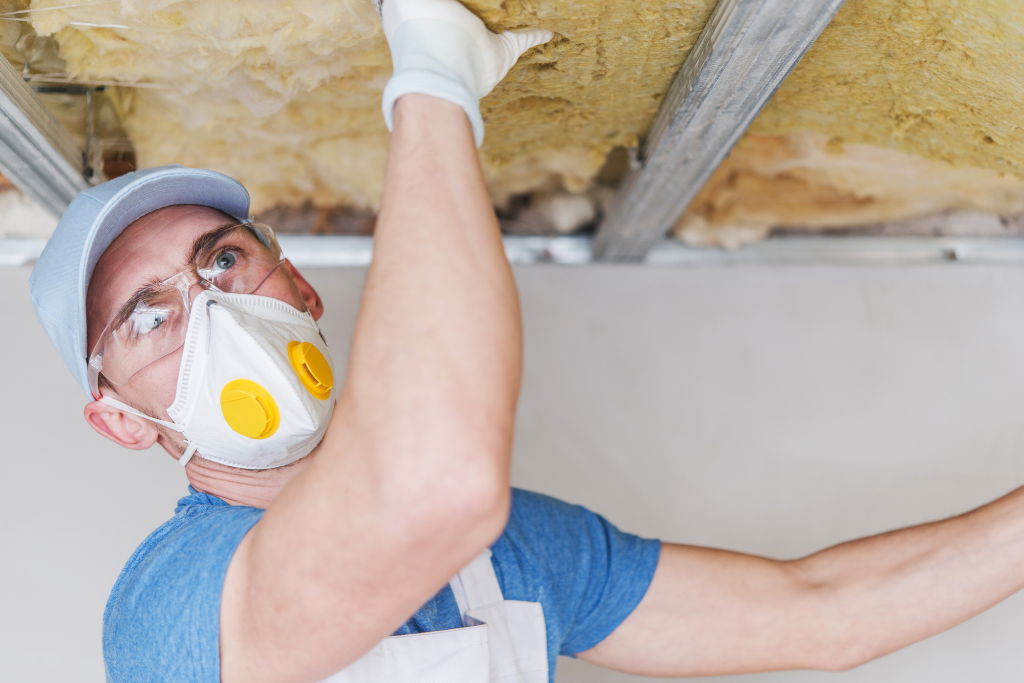
One of the primary contributors to the infiltration of moisture into indoor spaces is inadequate insulation and gaps in your home’s structure. These gaps can serve as entry points for outdoor humid air, which, when encountering colder surfaces, leads to condensation and ultimately elevates indoor humidity levels. To effectively counter this issue, it’s essential to address both insulation and sealing concerns comprehensively.
Furthermore, the importance of sealing gaps in areas like doors, windows, and walls cannot be overstated. These openings provide pathways for both air and moisture to enter your home, further exacerbating humidity issues. Employing proper sealing techniques helps to create a more controlled indoor environment, minimizing the potential for moisture-related problems.
One noteworthy solution is the incorporation of encapsulated insulation. This advanced insulation technique not only enhances your home’s energy efficiency but also acts as a barrier against moisture intrusion. The encapsulated insulation material is designed to resist the absorption of moisture, preventing the penetration of humid air into your living spaces. By creating a barrier that shields your home from external moisture, encapsulated insulation significantly contributes to maintaining an ideal indoor humidity level.
Basements and Crawlspaces
Unfinished basements and crawlspaces are often overlooked sources of excess moisture. Dirt crawlspaces, in particular, can absorb moisture and subsequently release it into the crawlspace environment, contributing to elevated humidity levels. Proper sealing, insulation, and moisture control measures are essential in these areas.
Porous concrete basement and foundation walls can be unsuspecting conduits for moisture infiltration. The microscopic pores within these surfaces can absorb moisture from the surrounding soil, allowing water vapor to seep through over time. This process, known as capillary action, can result in elevated indoor humidity levels and the potential for mold growth. Additionally, during periods of heavy rain or when the water table rises, water can penetrate these porous walls and accumulate within the basement or crawlspace. To counter this, proper exterior drainage, effective waterproofing, and moisture barrier installation are crucial to prevent moisture from permeating through these porous surfaces and compromising your indoor environment’s comfort and structural integrity.
Addressing Indoor Humidity With Jersey Shore Crawlspace
Identifying and addressing indoor humidity sources is crucial for maintaining a comfortable living environment and preventing moisture-related issues. By proactively tackling these sources, implementing regular maintenance, and employing effective moisture control measures, you can effectively manage indoor humidity levels. This not only safeguards your home but also ensures the well-being of its inhabitants, promoting a healthier and more pleasant living space.
Jersey Shore Crawlspace Enhancement offers a comprehensive evaluation to monitor the moisture conditions within your crawlspace, all the while ensuring that your home is not at risk for issues common in crawlspace homes. We perform this evaluation 3 times throughout the year to stay in front of seasonal issues, monitor the moisture conditions, and service your vents to ensure proper ventilation. With over 20 years of dedicated service for our fellow neighbors here on the shore, trust your crawlspace with the Jersey Shore’s Crawlspace pros!
Ready to transform your crawlspace?
Click the button below or complete the form at the bottom of this page and one of our representatives will be in contact with you shortly to schedule your evaluation.