Relative Humidity — What It Is & What to Know
When you live at the Jersey Shore, you become used to dealing with humidity. However, that type of humidity is not what’s being mentioned when you hear the term “relative humidity.” To put it as plainly as possible, relative humidity is a measure of the water vapor content of the air. More specifically, It’s the amount of water vapor in the air represented as a percentage of the amount required to reach saturation at the same temperature.
This means that relative humidity is strongly proportional to temperature and is highly sensitive to temperature changes. Therefore, if the temperature in your home is stable then your home’s relative humidity is also stable. In addition to temperature, relative humidity is sensitive to pressure and any changes made in it.
Helpful tips when it comes to relative humidity
There are a few good rules of thumb to remember when it comes to understanding relative humidity on a basic level. The first one being that as temperature increases, air becomes drier and as temperature decreases, air becomes wetter. When it comes to pressure, the rule of thumb is that when pressure increases, air becomes wetter and when pressure decreases, air becomes drier.
All of this is to say that relative humidity is not something that can be easily checked and monitored by the average homeowner. If you’re a homeowner and have been experiencing increased humidity inside your home, we recommend seeking a professional’s opinion to find the source of the issue. In the meantime, continue reading to learn more about the importance of relative humidity and what it means for your home:
Why is it important to monitor relative humidity?
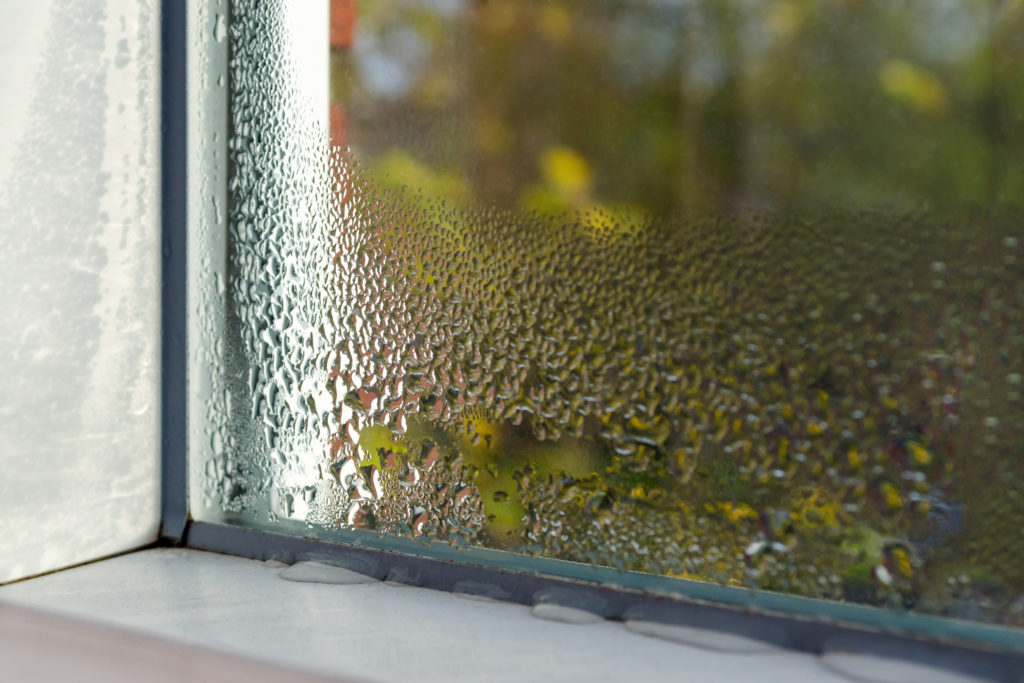
By far, the most important reason for monitoring relative humidity inside the home is to prevent any moisture-related issues. In most cases, this means making sure that it never rises too high. This is because humidity can wreak havoc on your home’s structural integrity if not addressed in a timely manner. The added moisture will weaken the porous structure over time and can cost you thousands in costly repairs and/or diminish your home’s value. It can also cause walls to become wet, floors to cup or buckle, and more.
Not only can it cause problems for the home’s structure—it can cause your home to struggle to maintain a comfortable temperature. This means that you’ll be fussing with the thermostat a lot to bring your family some comfort and ultimately costing yourself higher energy bills.
Furthermore, increased moisture in the home poses certain health risks to you and your family. Mold occurs when the wood moisture content (the amount of water in the pores of the wood) exceeds 20%, and/or the relative humidity within the crawl space exceeds 55% for a period of time. This growth doesn’t just stay in the crawl space, either. While the mold growth itself stays in the cool, dark place where it grew, it can release thousands of spores that become airborne and travel through the rest of the home. Being that mold can grow on a damp surface rapidly within 24-48 hours, it’s important to address relative humidity with the same amount of urgency.
What is the solution to high relative humidity?
Just like how every home is unique, so is every set of circumstances. This is why we always begin our approach with a comprehensive evaluation to determine the current conditions in the home. After the evaluation is complete, our team can come up with a custom approach to best meet the needs of the home and the customer.
The optimal relative humidity level within a home is between 30% and 50%. Anything above this range can result in mold or bacteria growth. To combat higher relative humidity, a dehumidifier is the best place to start.
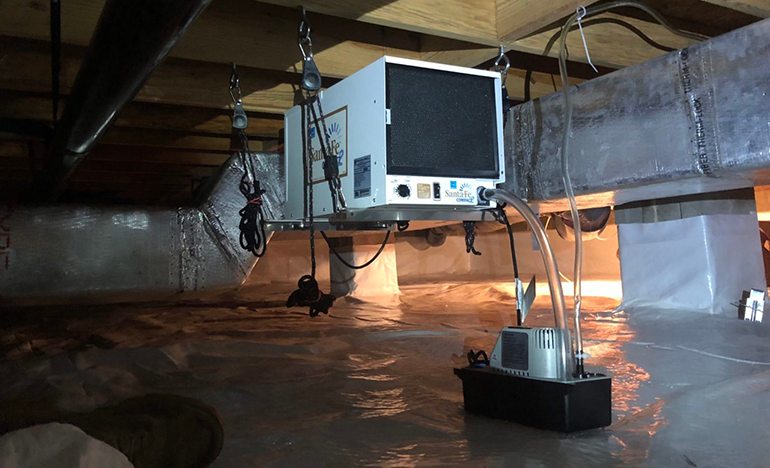
Our dehumidifiers have an onboard humidistat that is set by our highly skilled technicians to kick on when the humidity in your crawl space reaches 50% relative humidity. Once the humidity is pulled from the air, it runs into a condensation pump that then diverts the water through plumbing and is disposed of outside of the crawl space.
Often in situations where a home has higher than normal relative humidity, a dehumidifier is one piece of a larger, more comprehensive moisture management solution. We ultimately recommend crawl space encapsulation, along with a dehumidifier, to ensure that the crawl space retains the proper amount of humidity and is fully sealed and protected from harsh outdoor elements.
Combating humidity at the Jersey Shore
As you may be aware, different climates and geographic regions experience different levels of humidity. The humidity of the air is affected by a variety of factors, including proximity to bodies of water and temperature trends. It is critical to monitor relative humidity levels on a frequent basis in order to ensure optimal indoor air quality and a healthy living environment for you and your family. A dehumidifier can help you not only monitor it but also lower it down to a safe and comfortable level.
At Jersey Shore Crawlspace Enhancement, we are proud to offer a variety of dehumidifiers to best meet the needs of you or business. Schedule your evaluation today by clicking the button below or completing the form at the bottom of the page!