
Why Does My Basement Flood When it Rains?
“Why does my basement flood when it rains?” It’s probably not the first time that you’ve asked yourself this. By definition, basements are at the base of your home, whether they’re fully or partially underground. This makes them more susceptible to flooding because of gravity. Gravity works hard to push water from the high ground to the low ground, and where there is room underground, there is likely a chance of flooding.
Why does my basement flood when it rains: common sources
While basements can flood in dry weather, it’s much more common during periods of heavy precipitation. Whether this is the first time your basement has flooded or it’s becoming a chronic issue, there are a few areas to look at first:
Water pooling
One of the most common sources of basement flooding is due to water pooling around the home’s foundation. If your home lacks proper grading, has clogged gutters, or gutter downspouts that are draining too close to your home, it will exacerbate this issue. Gravity will cause this water to flow down to the foundation and if there’s a way inside, it will find it. This water can cause tiny cracks in the foundation to worsen over time as the water passes through.
Poor Foundation Drainage
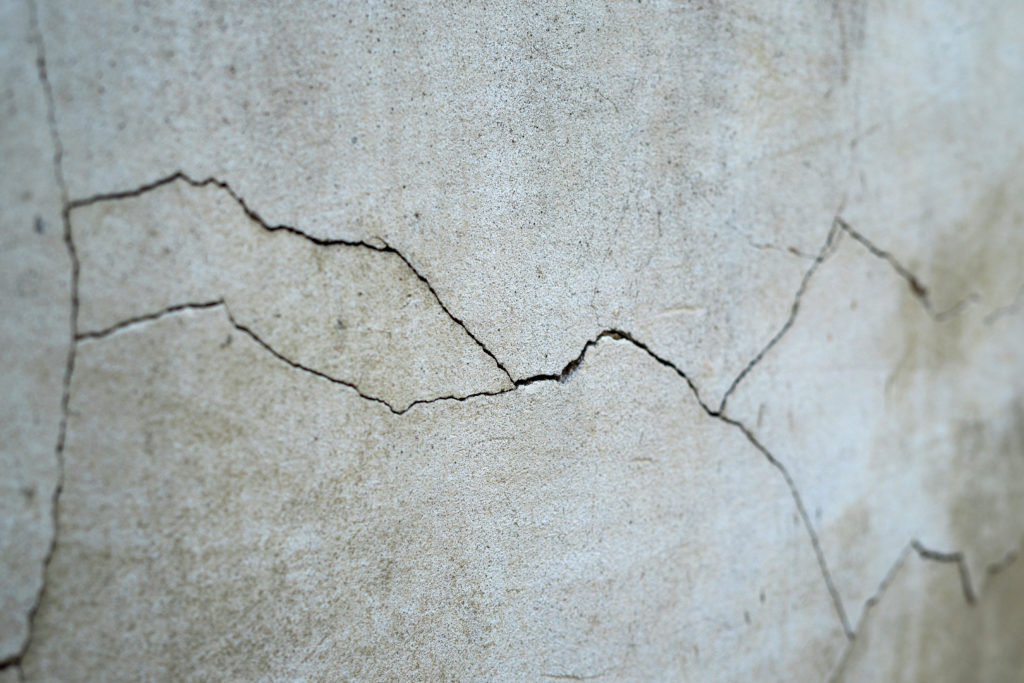
If your house has poor foundation drainage, then it will likely suffer from flooding. Houses are typically built with some sort of drainage system to divert water away from the basement and foundation. Sometimes these drainage systems aren’t built properly or deteriorate over time leading to water in the home.
No matter the case, it’s unfortunately not uncommon for holes and cracks in the foundation to develop over time. The risk of flooding through cracks increases without proper grading or downspout extensions. After the next heavy rain, check around the perimeter of your basement and foundation for any visible holes or cracks that can allow water in the home.
Sump pumps
If your home has a sump pump, you may think that it can work completely on it’s own without any monitoring. The truth of the matter is that sump pumps, like any other machine, can break or fail. If you’re the owner of a sump pump, it’s important to periodically check that it’s working as it should.
Sump pumps are used to remove water out of the home and away from the foundation. Groundwater can enter the basement through the sump pump and flood the basement if it malfunctions during a severe downpour or if you lose electricity and it shuts off.
Sewer back up
A sewer backup is another common cause of basement flooding. Sewage can back up into your property if the city sewers are overflowing due to rainfall. If the sewers are overflowing, sewage will flow towards your home and may enter through a floor drain or toilet, flooding your basement.
How to prevent your basement from flooding
When looking at the different options to help prevent basement, the most important factor to consider is drainage. A moisture management professional will take a look at the exterior drainage of your home to see if everything is properly working. Gutters, gutter downspouts, the grade of land around your home, and more could be the reason for water entering your basement or crawl space.
When it comes to indoor drainage systems, a sump pump could be considered—especially in flood prone areas. These devices provide effective drainage when you’re not able to completely stop moisture from entering the home. These devices are installed in the lowest point of the home so that they can efficiently pump out the water that leads to it. However, while a sump pump is efficient at removing water that enters the home, the only way to ensure that water doesn’t enter the crawl space is through encapsulation.
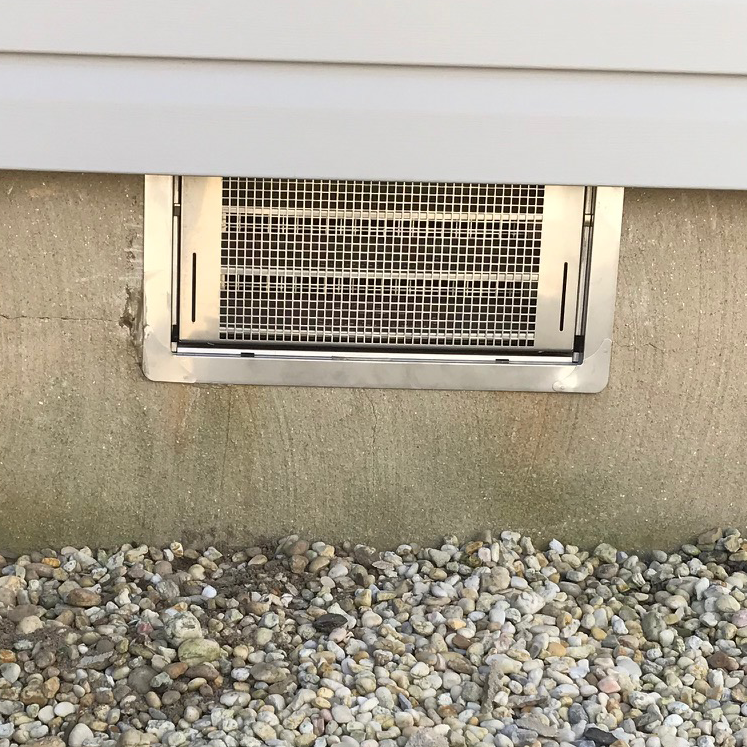
Flood vents are one way to prevent a basement flood. A flood vent is a special type of opening in the wall between the crawl space and the outdoors. They’re designed to let water pass through the space freely so that it doesn’t become trapped and create pressure that can damage your walls and foundation.
At Jersey Shore Crawlspace Enhancement, we are proud to offer FEMA Approved Smart Vents as an option to our customers. Smart Vents act to relieve thermostatic pressure in the event of a flood. When the water rises, the vents shift to the open position to allow the passive flow of floodwaters to avoid pressure from building up, compromising your foundation.
These vents are FEMA Approved and can greatly reduce your flood insurance so they are a great investment for your future in your home. These vents are made to be installed into garages, raised homes, crawl spaces, and more.
Where to start: Working with Jersey Shore Crawlspace Enhancement
Regardless of the conditions within your basement, we can help! Our variety of basement services are designed with the challenges of living here on the Jersey Shore in mind. Prior to any action being taken, we offer a comprehensive evaluation to monitor the moisture conditions within your basement, all the while ensuring that your home is not at risk for common issues such as poor drainage.
We perform this evaluation 3 times throughout the year to stay in front of seasonal issues, monitor the moisture conditions, and service your vents to ensure proper ventilation. With over 20 years of dedicated service for our fellow neighbors here on the shore, trust your crawl space with the Jersey Shore’s Crawlspace pros!
Click the button below to speak to a representative or complete the form at the bottom of this page and one of our representatives will be in contact with you shortly to schedule your evaluation.